Academic projects

Projects from my engineering studies

Work completed on the Information Management course at PJAIT, specialising in IT system implementation. The projects cover databases, pre-implementation analysis of ERP and CRM systems, process modelling and IT project management, which are the areas I work in professionally today. My current commercial experience is described on the About page.

Table of contents:

Databases: Microsoft Access

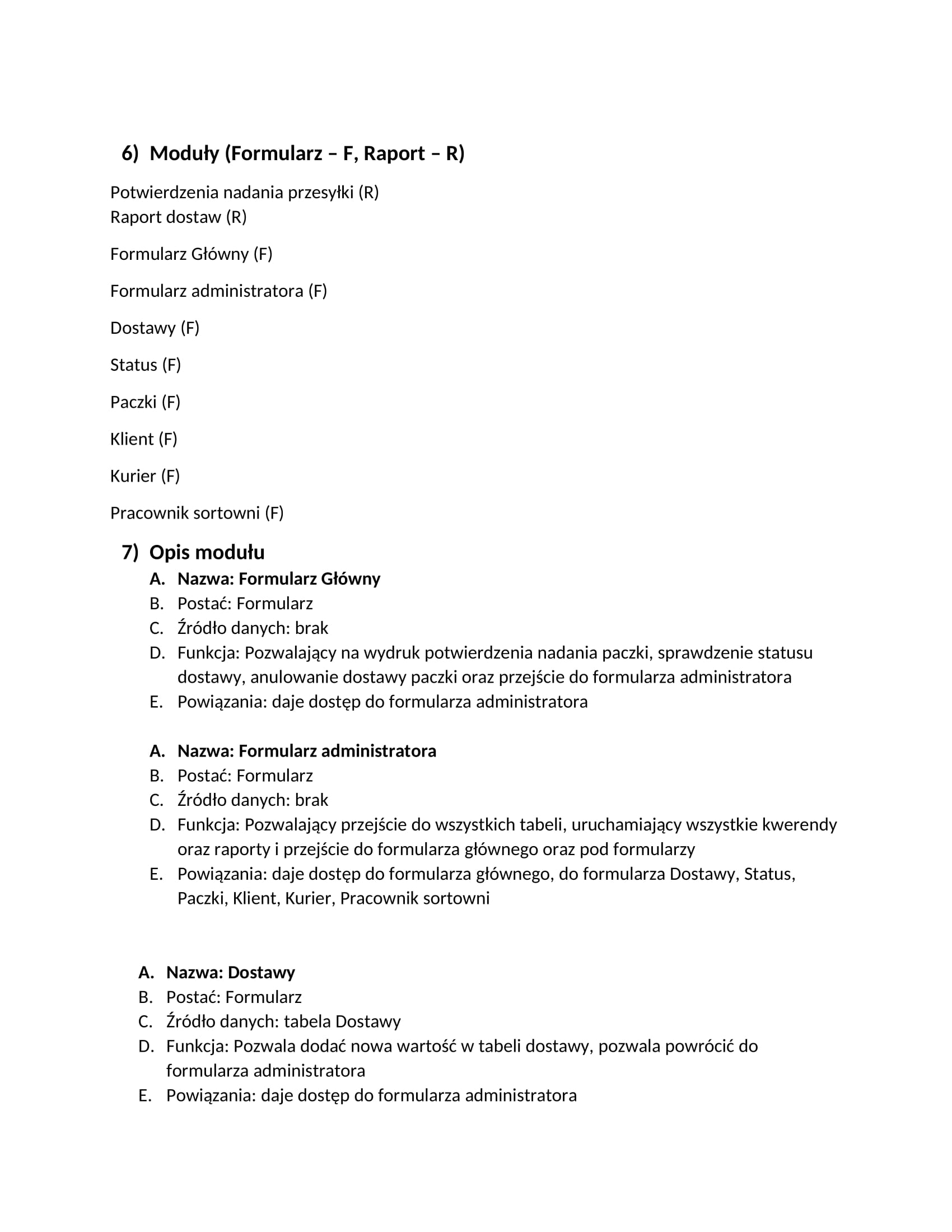
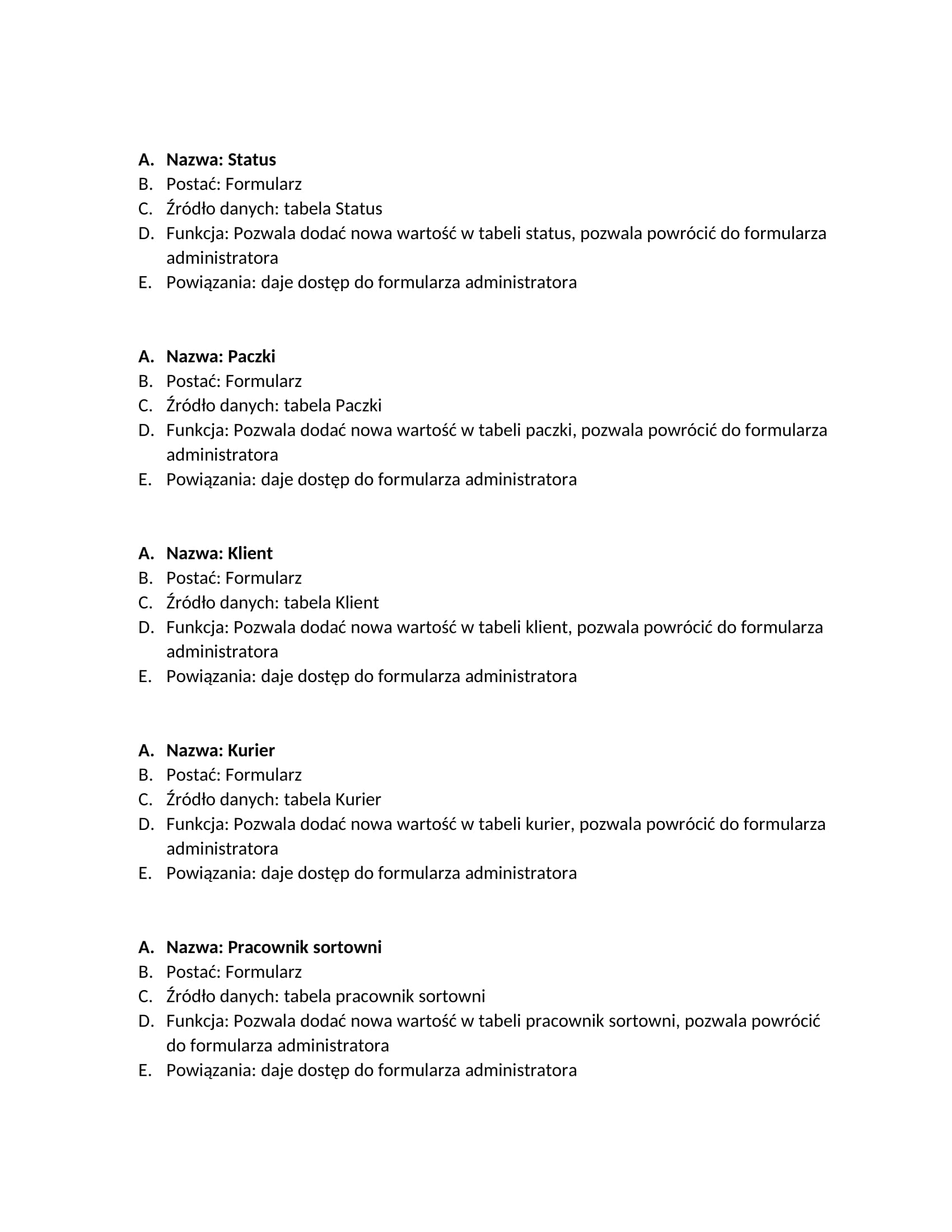
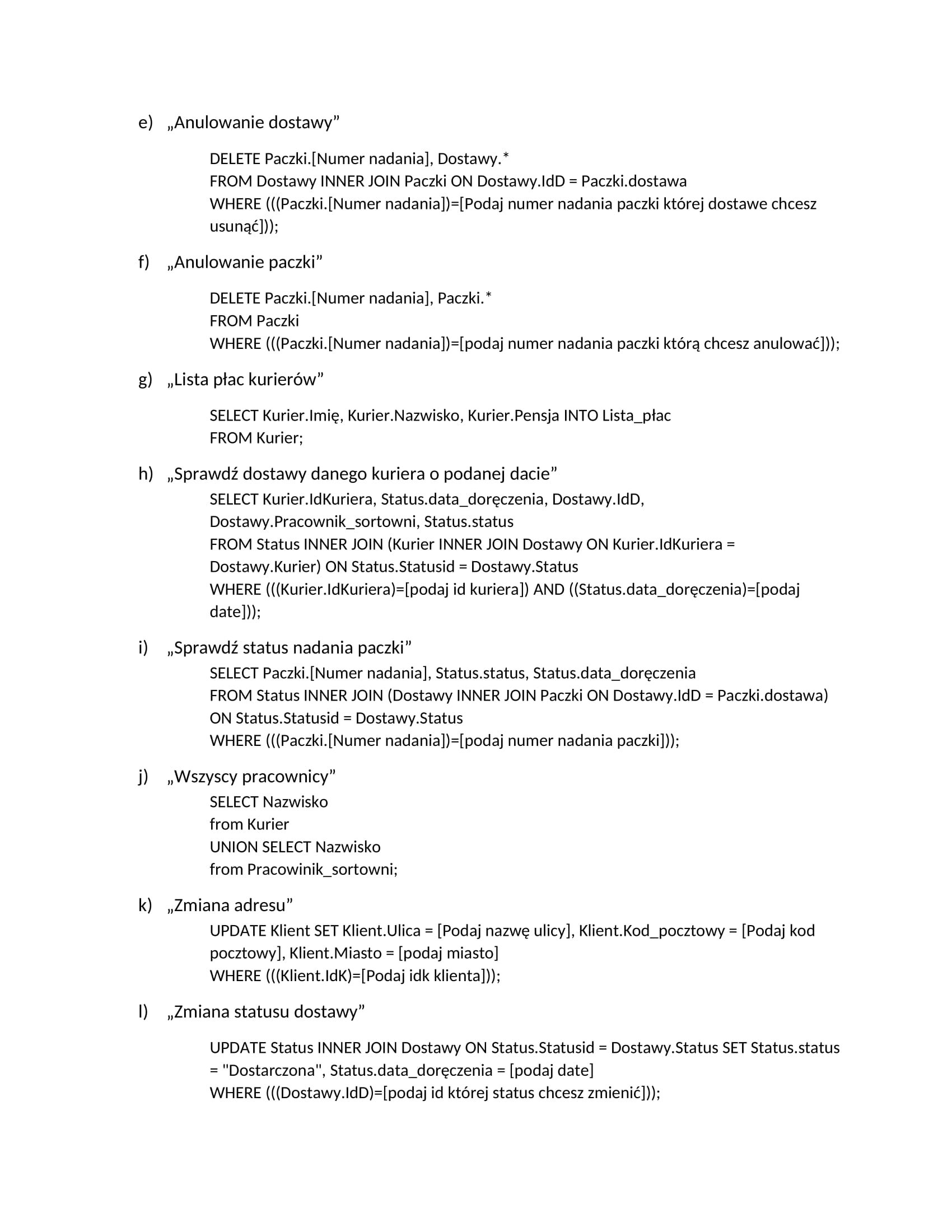
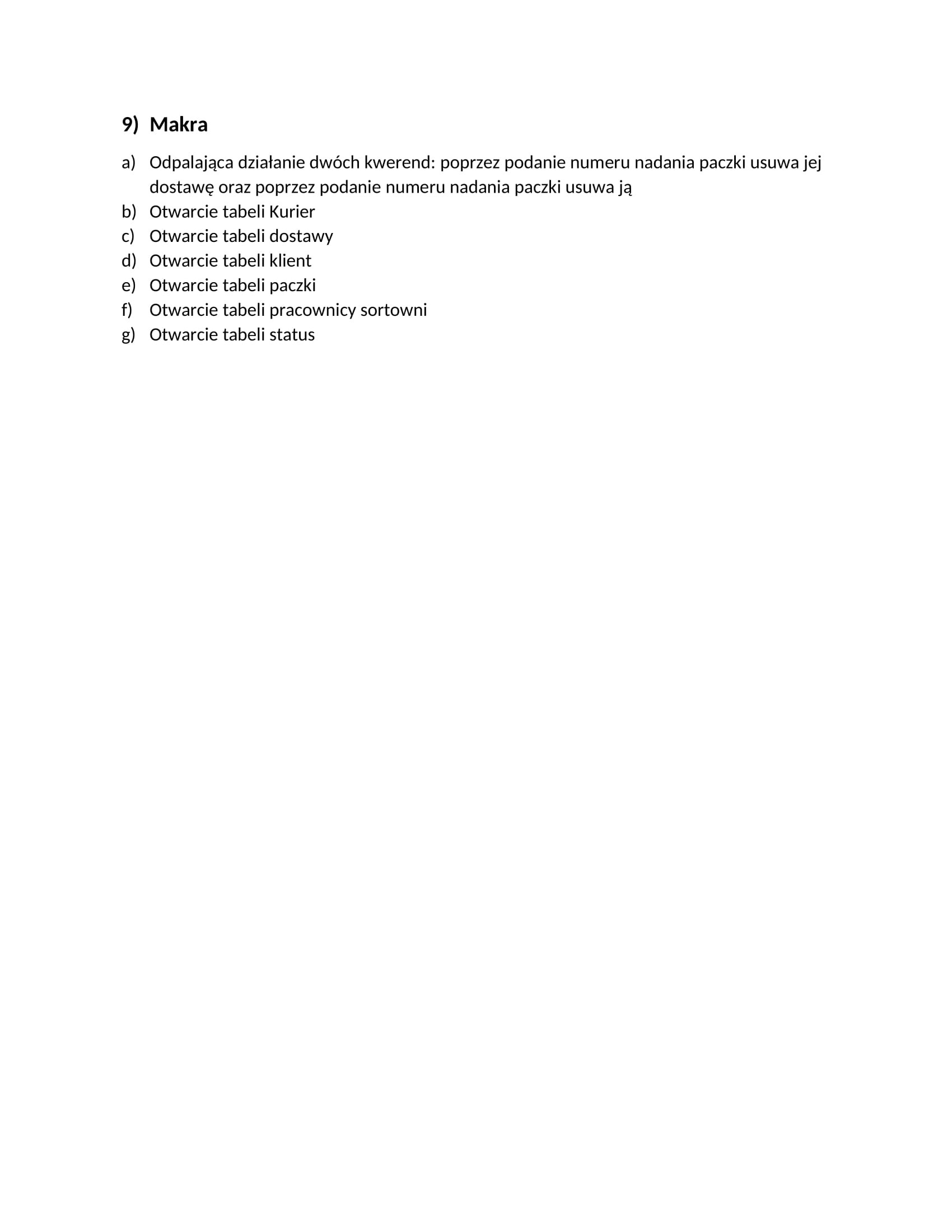
The project involved building a Microsoft Access database for a courier company. The goal was to make it easier to manage the company's logistics operations and staff.

The database provides the following functions:

  • Monitoring and managing parcel deliveries,
  • Generating payroll and delivery reports
  • Managing couriers, sorting facility staff and customers,
  • Tracking shipment status and cancelling deliveries,
  • Editing customer data, such as the delivery address.
  • Microsoft Access file:

    Project documentation:
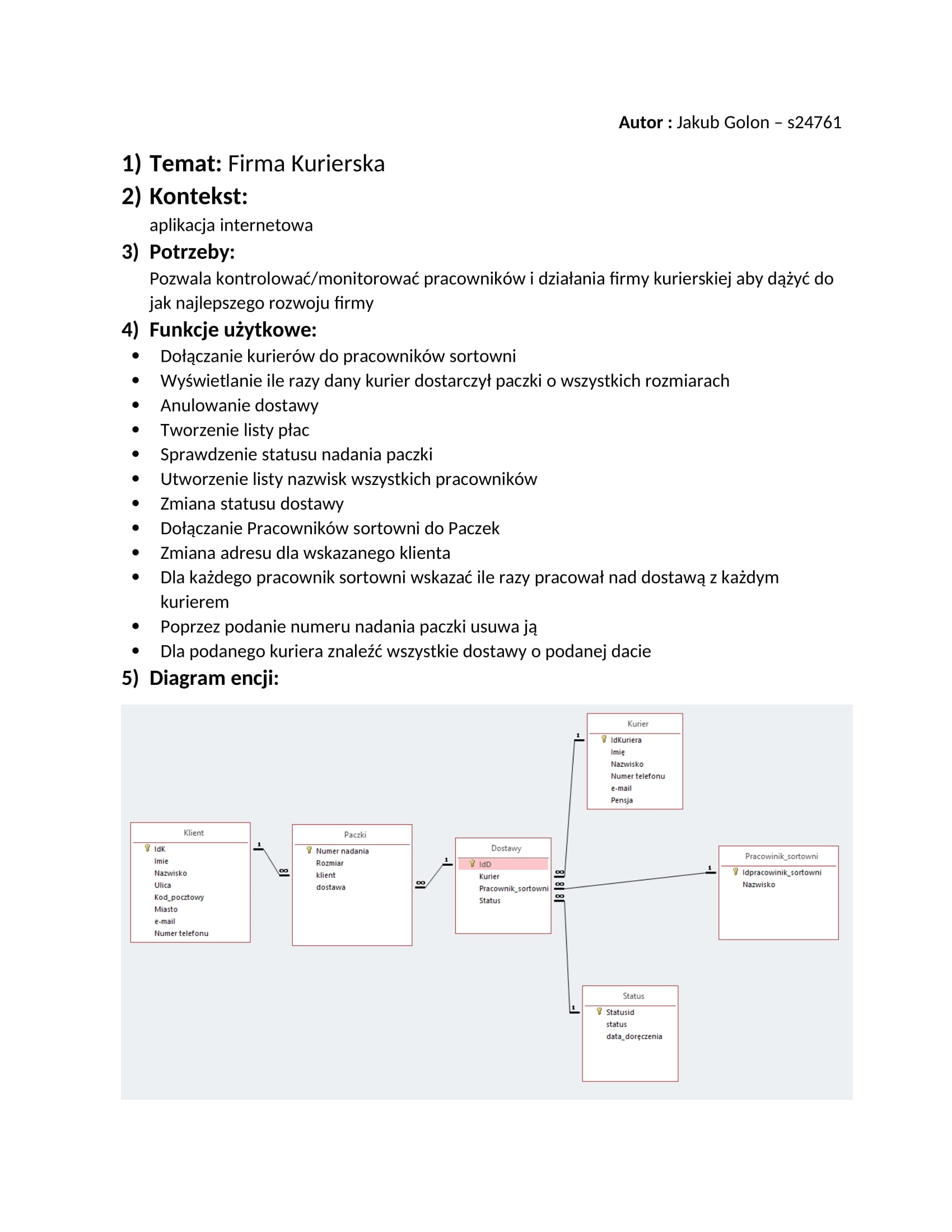
    Documentation of the Microsoft Access database project for a courier company, page 1
    Documentation of the Microsoft Access database project for a courier company, page 2
    Documentation of the Microsoft Access database project for a courier company, page 3
    Documentation of the Microsoft Access database project for a courier company, page 4
    Documentation of the Microsoft Access database project for a courier company, page 5
    Documentation of the Microsoft Access database project for a courier company, page 6

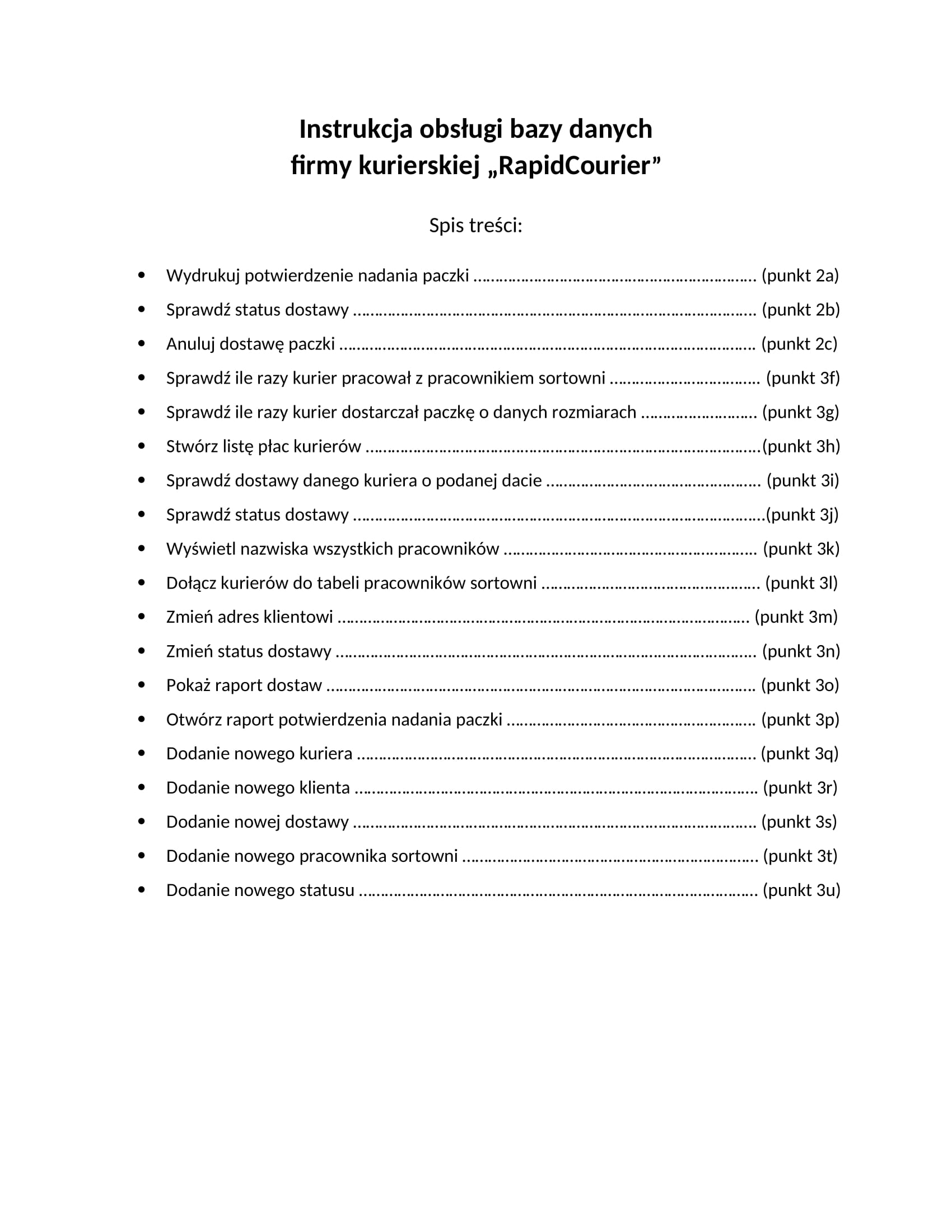
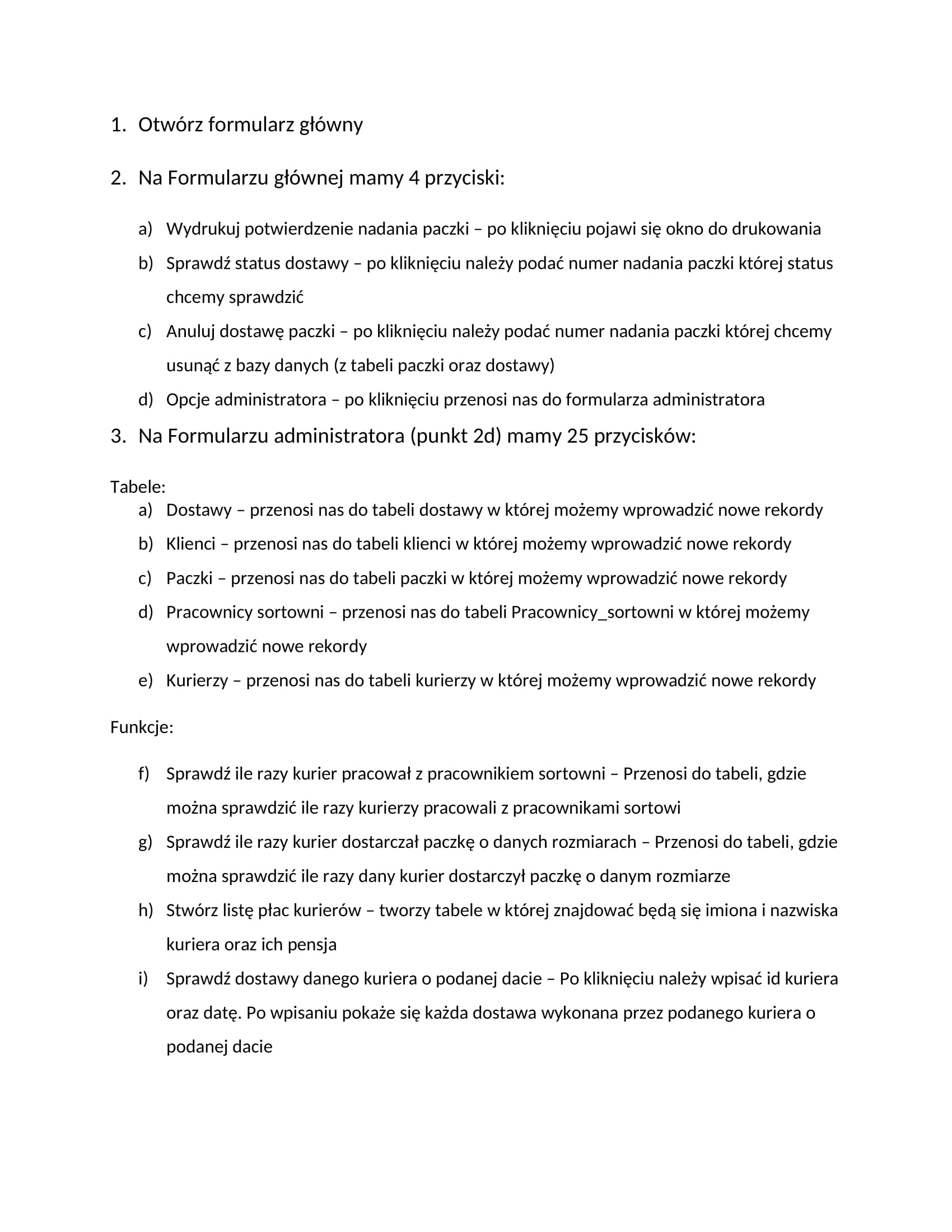
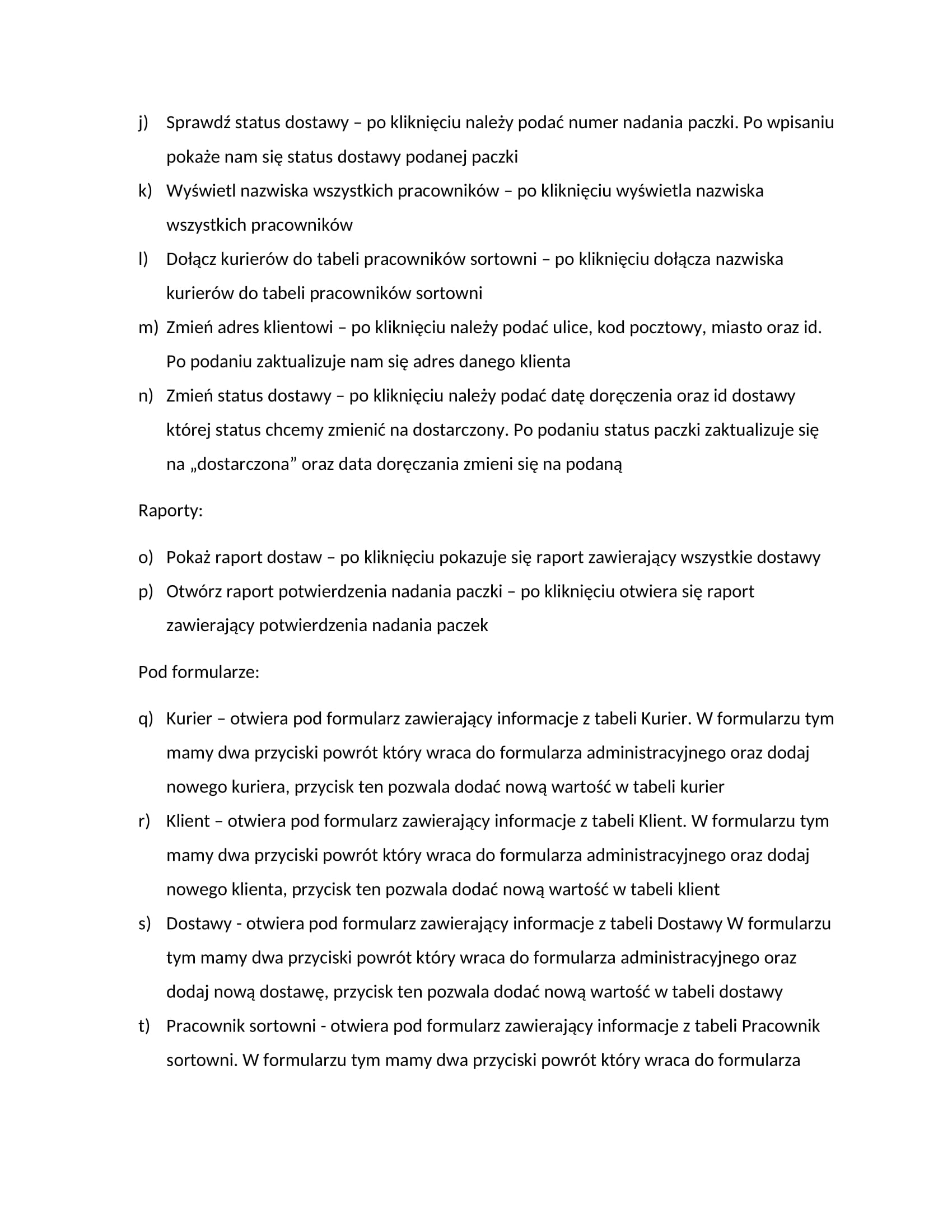
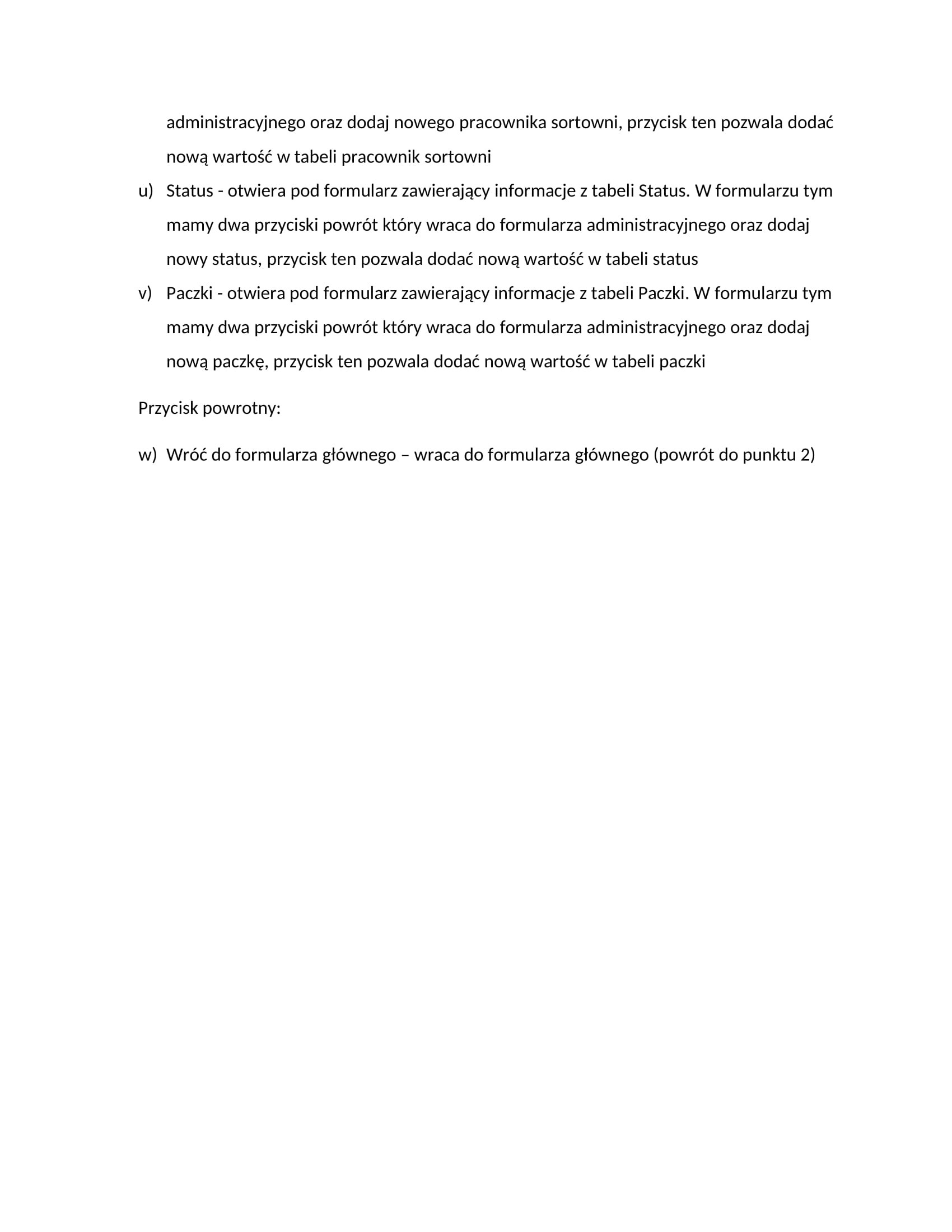
    User manual:

    User manual for the Microsoft Access database, page 1
    User manual for the Microsoft Access database, page 2
    User manual for the Microsoft Access database, page 3
    User manual for the Microsoft Access database, page 4

    Databases: SQL

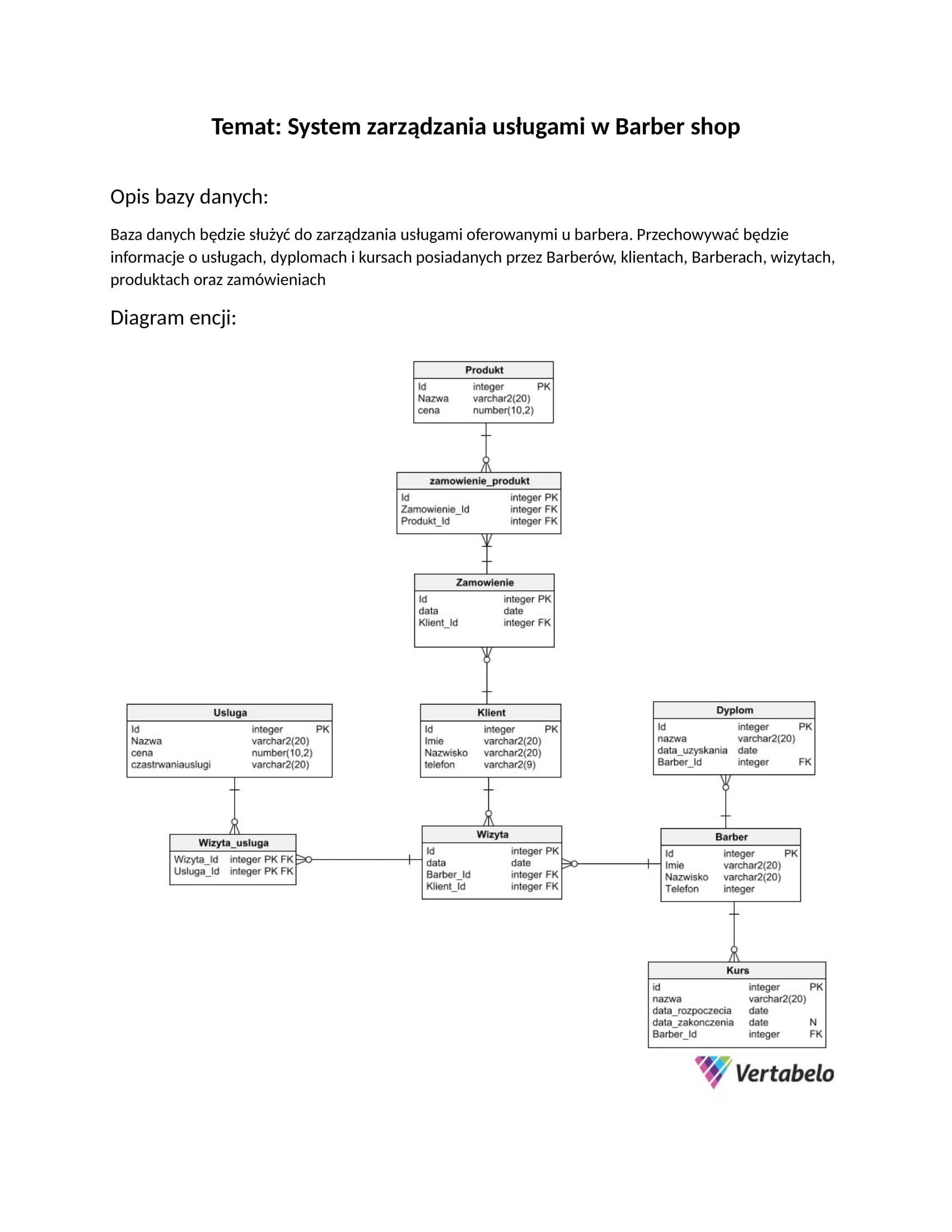
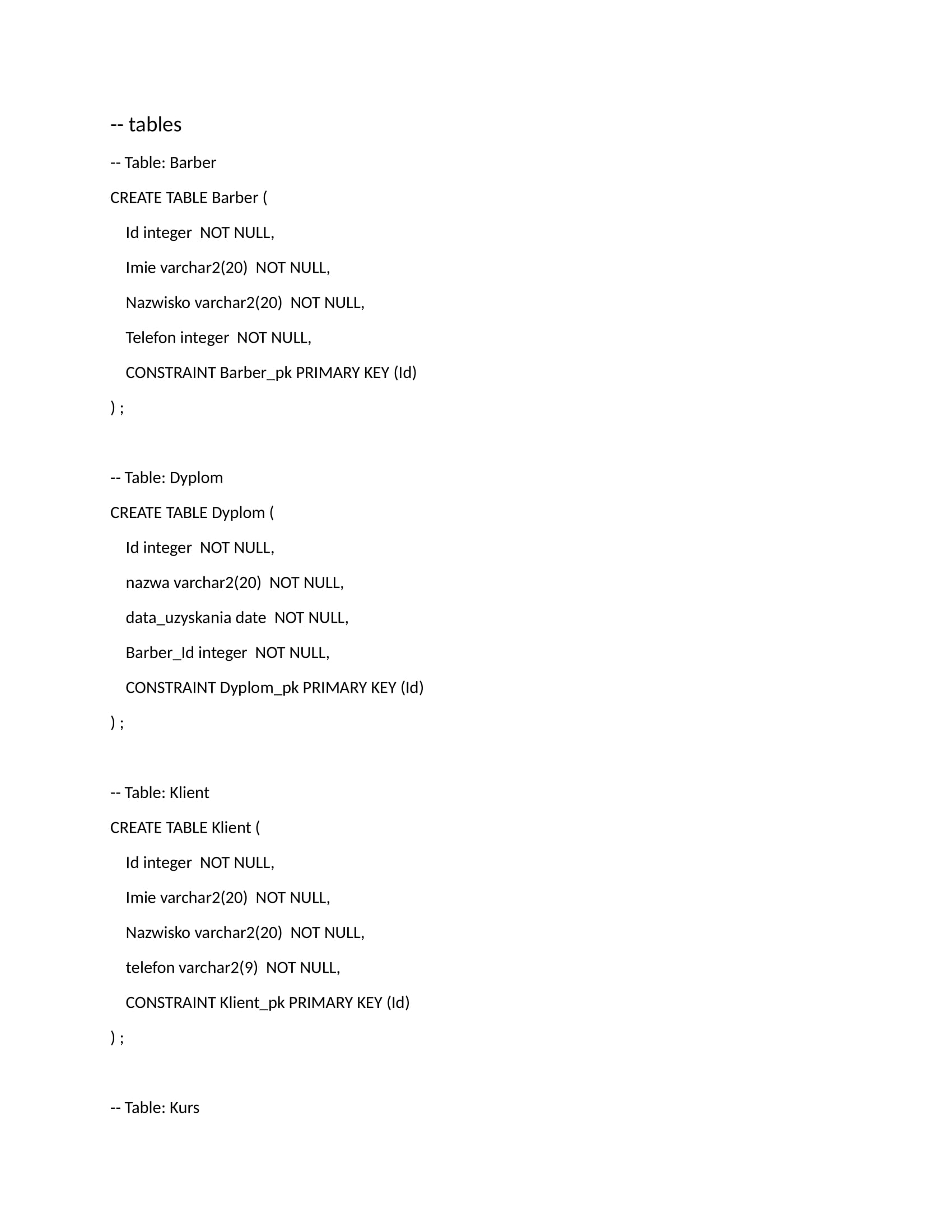
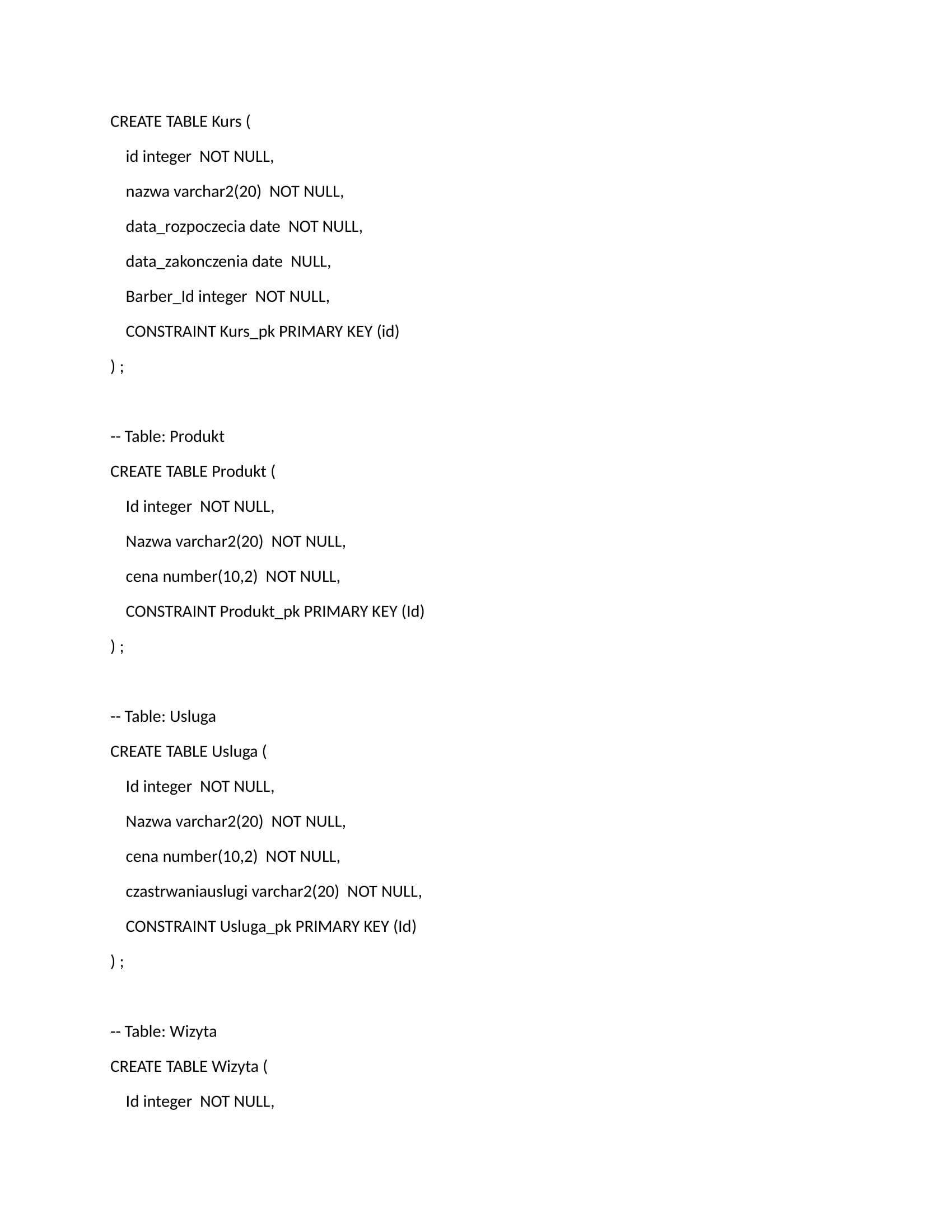
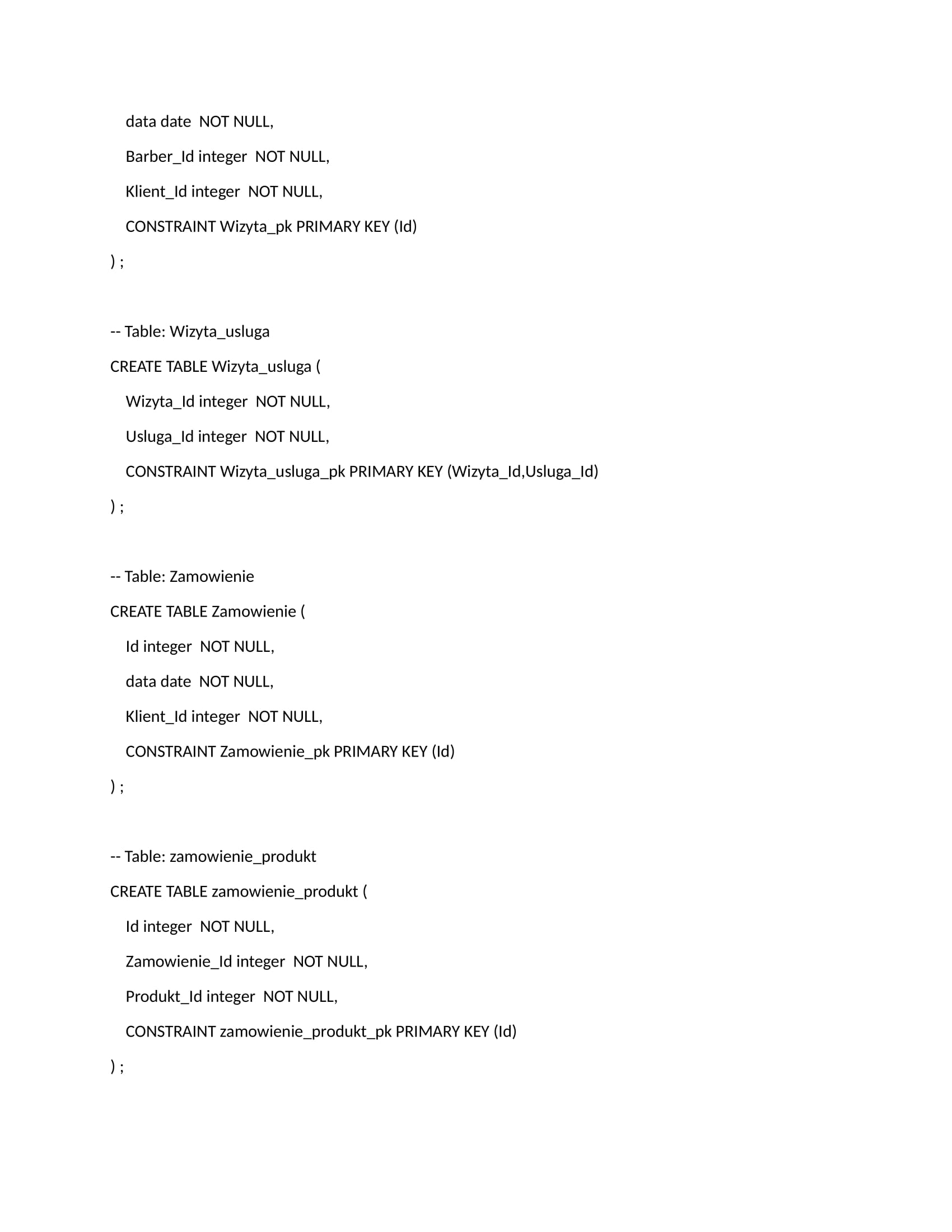
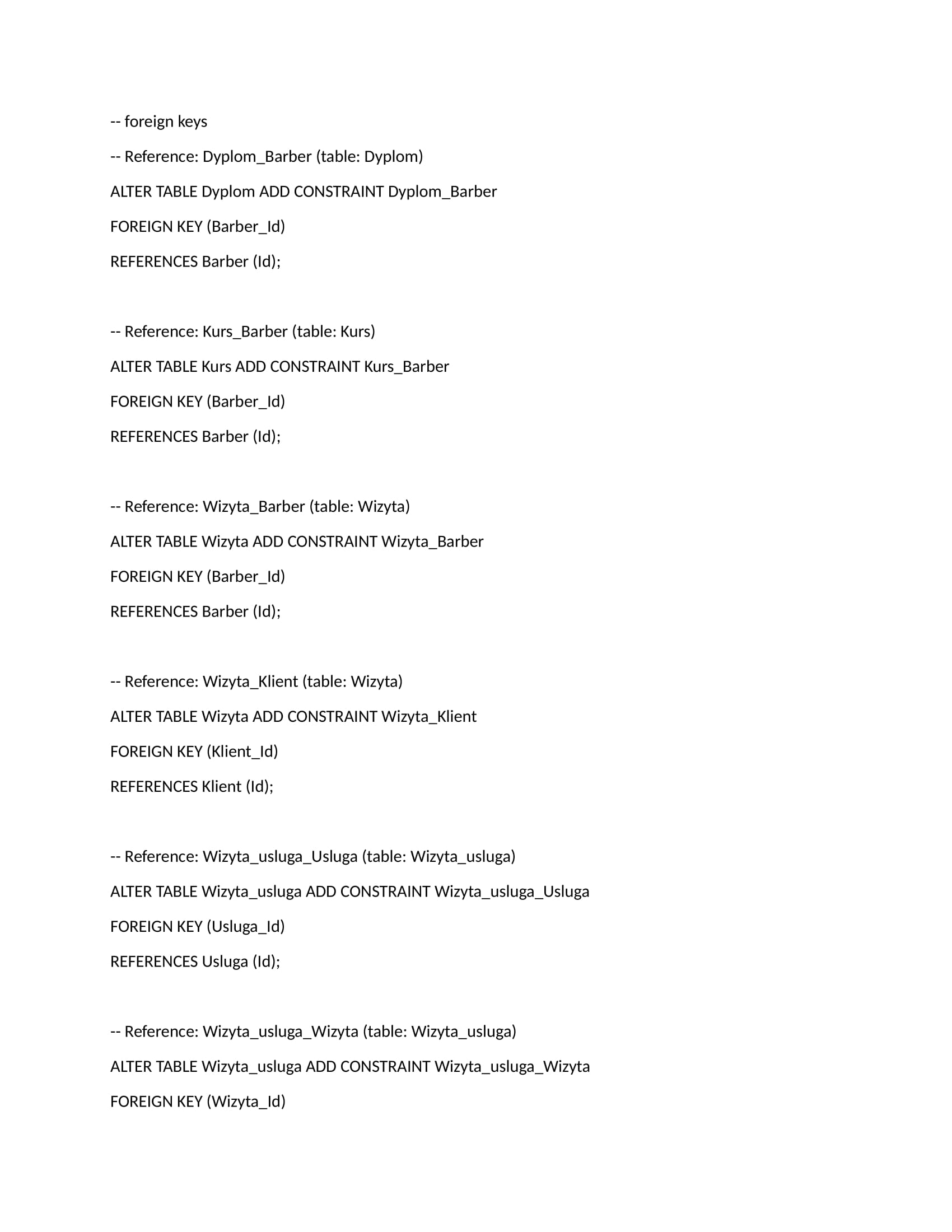
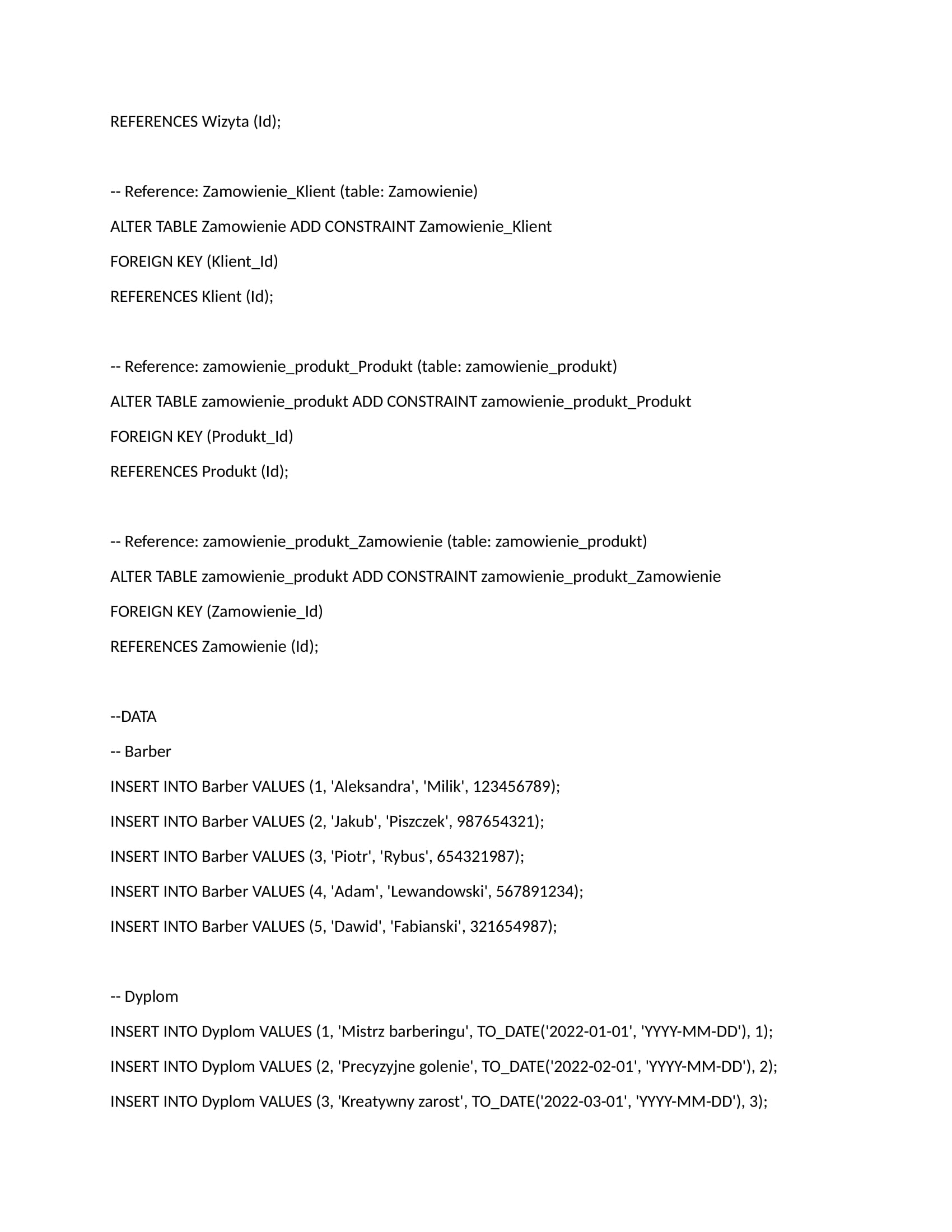
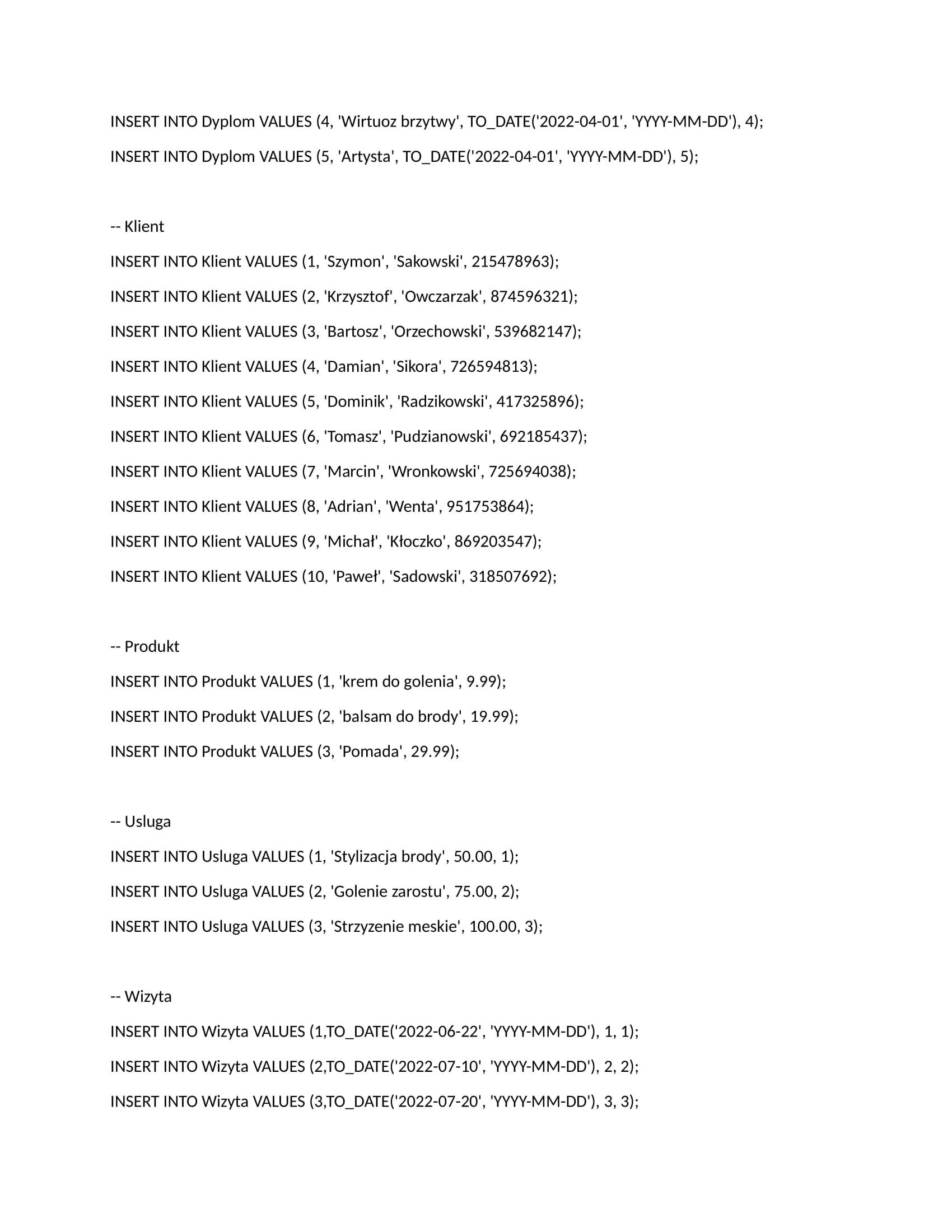
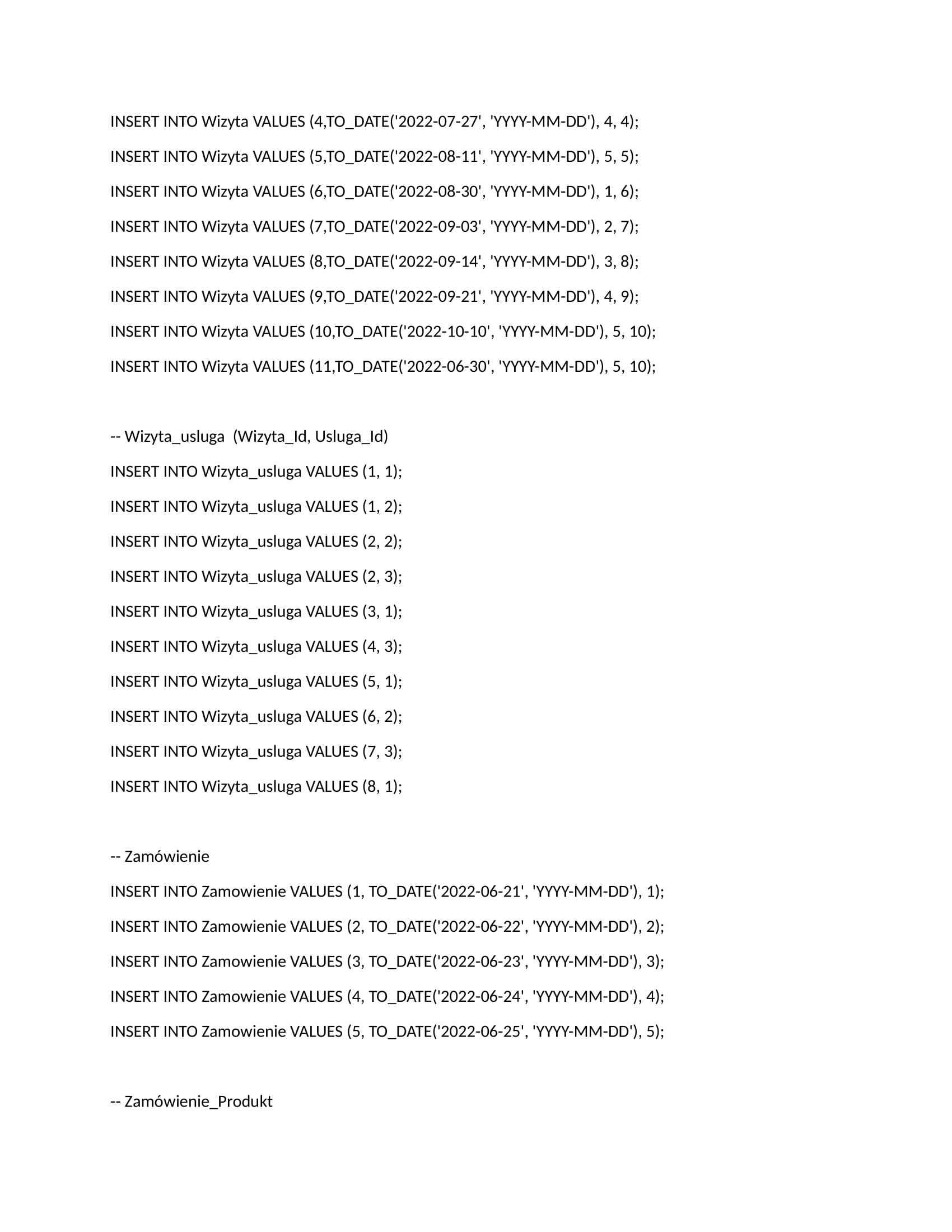
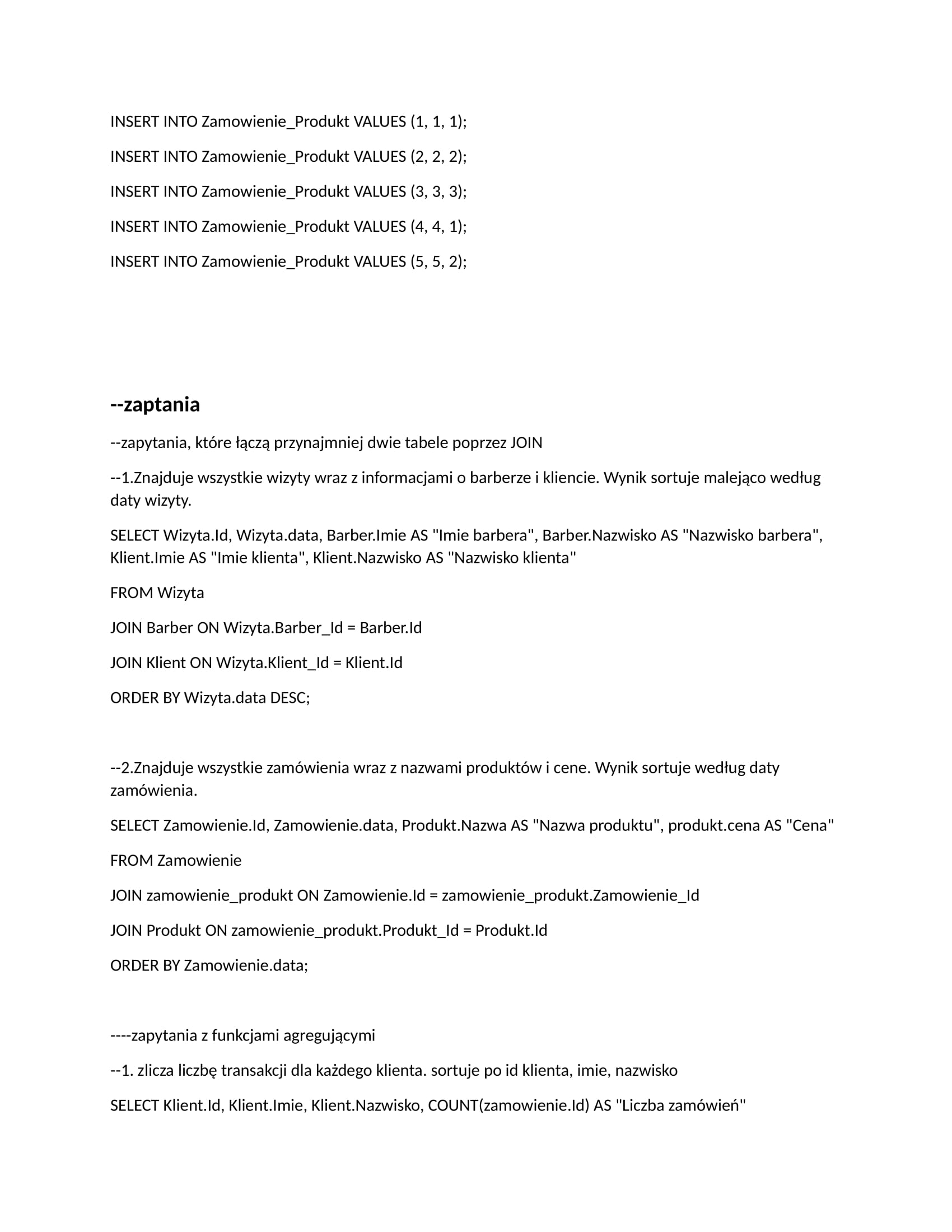
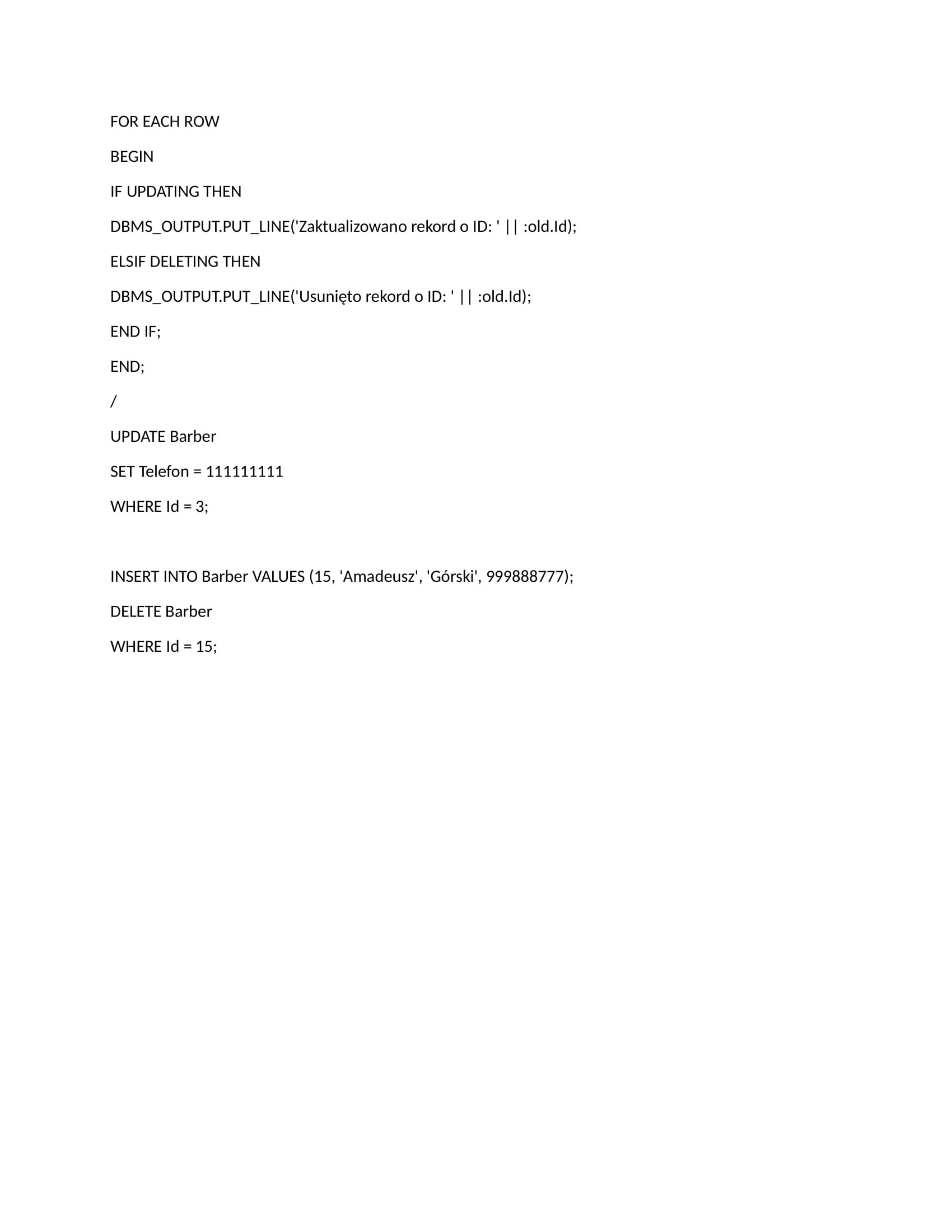
    The project involved building an SQL database for a barber shop. Its main purpose is to manage the services offered by the barbers and to store information about those services, the certificates and courses the barbers have completed, the client base and their visits, as well as the products sold in the shop and the orders placed.

    Database functionality:

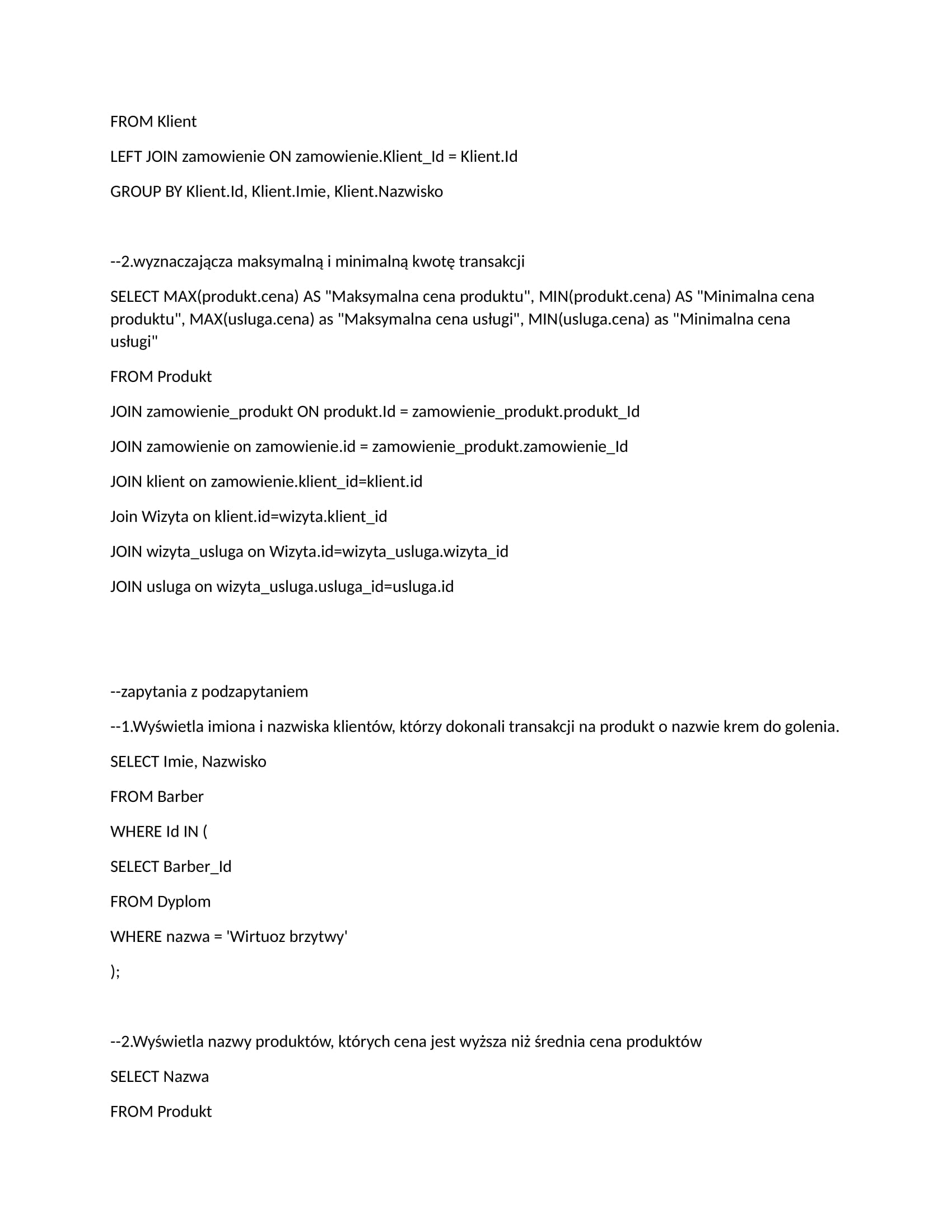
  • Listing all visits with barber and client details, sorted by visit date in descending order.
  • Listing all orders with product names and prices, sorted by order date.
  • Counting the number of transactions per client, sorted by client ID, first name and surname.
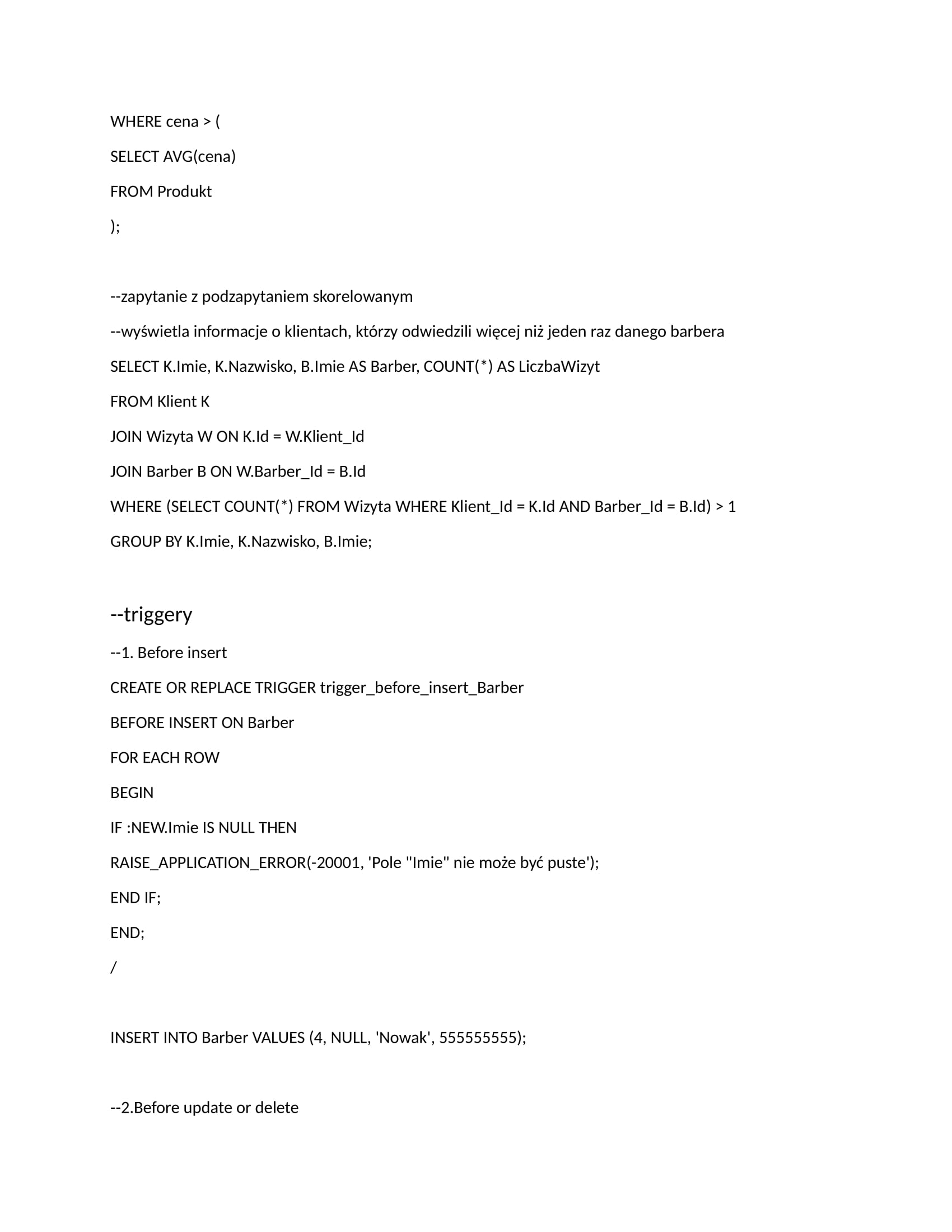
  • Finding the highest and lowest transaction amount.
  • Listing the names of clients who bought the product called shaving cream.
  • Listing products priced above the average price of all products.
  • Listing clients who visited the same barber more than once.
  • Project documentation:
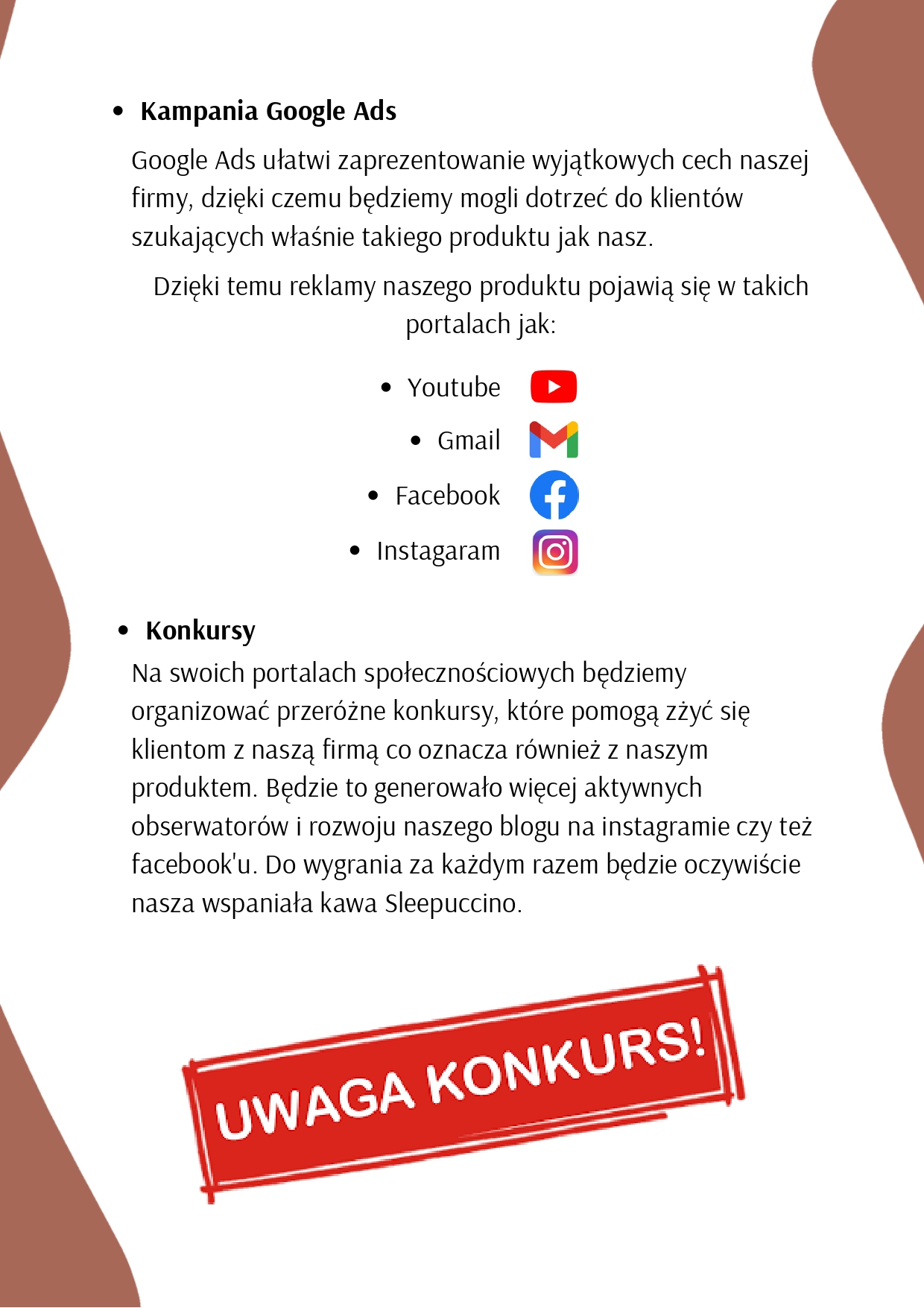
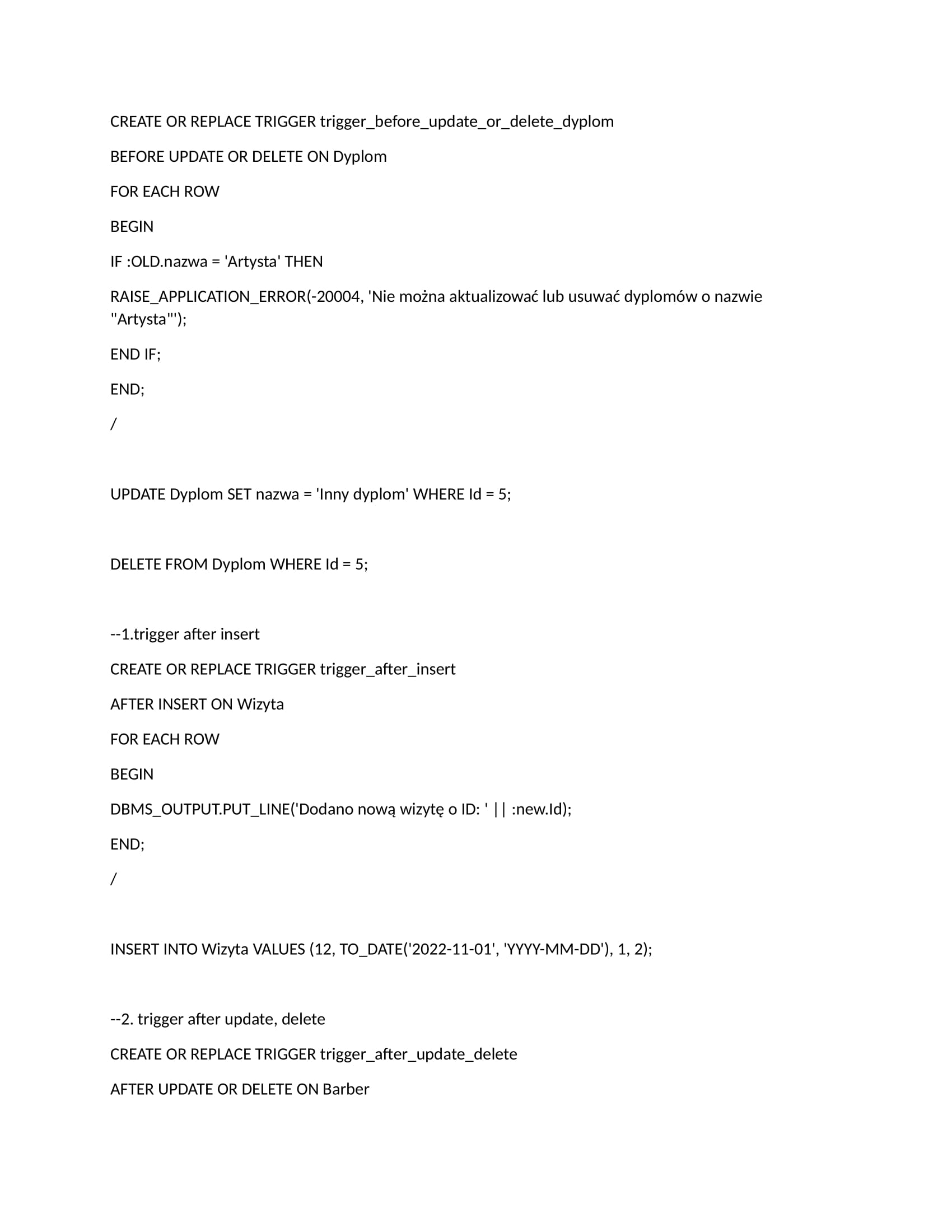
    Documentation of the SQL database project for a barber shop, page 1
    Documentation of the SQL database project for a barber shop, page 2
    Documentation of the SQL database project for a barber shop, page 3
    Documentation of the SQL database project for a barber shop, page 4
    Documentation of the SQL database project for a barber shop, page 5
    Documentation of the SQL database project for a barber shop, page 6
    Documentation of the SQL database project for a barber shop, page 7
    Documentation of the SQL database project for a barber shop, page 8
    Documentation of the SQL database project for a barber shop, page 9
    Documentation of the SQL database project for a barber shop, page 10
    Documentation of the SQL database project for a barber shop, page 11
    Documentation of the SQL database project for a barber shop, page 12
    Documentation of the SQL database project for a barber shop, page 13

    Market and marketing research

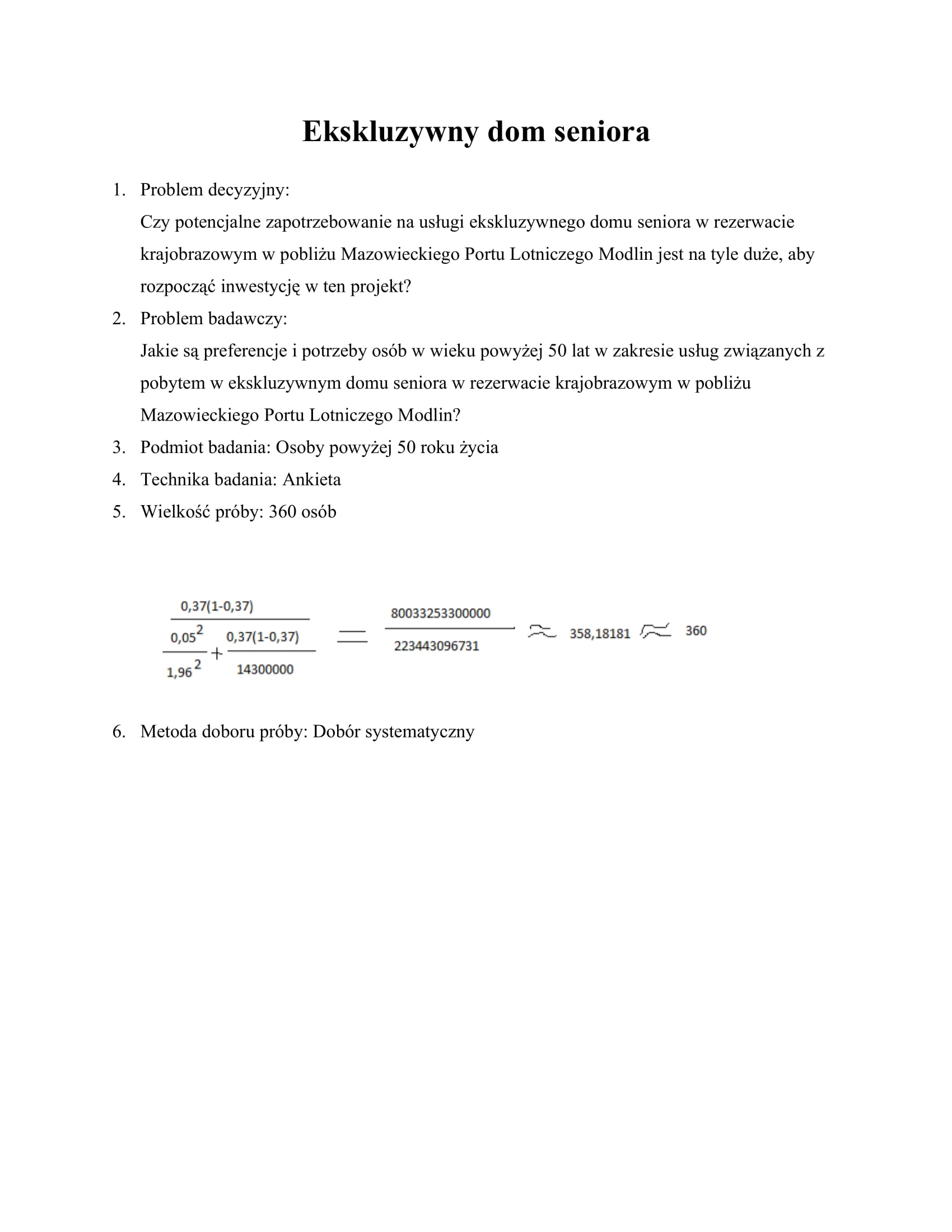
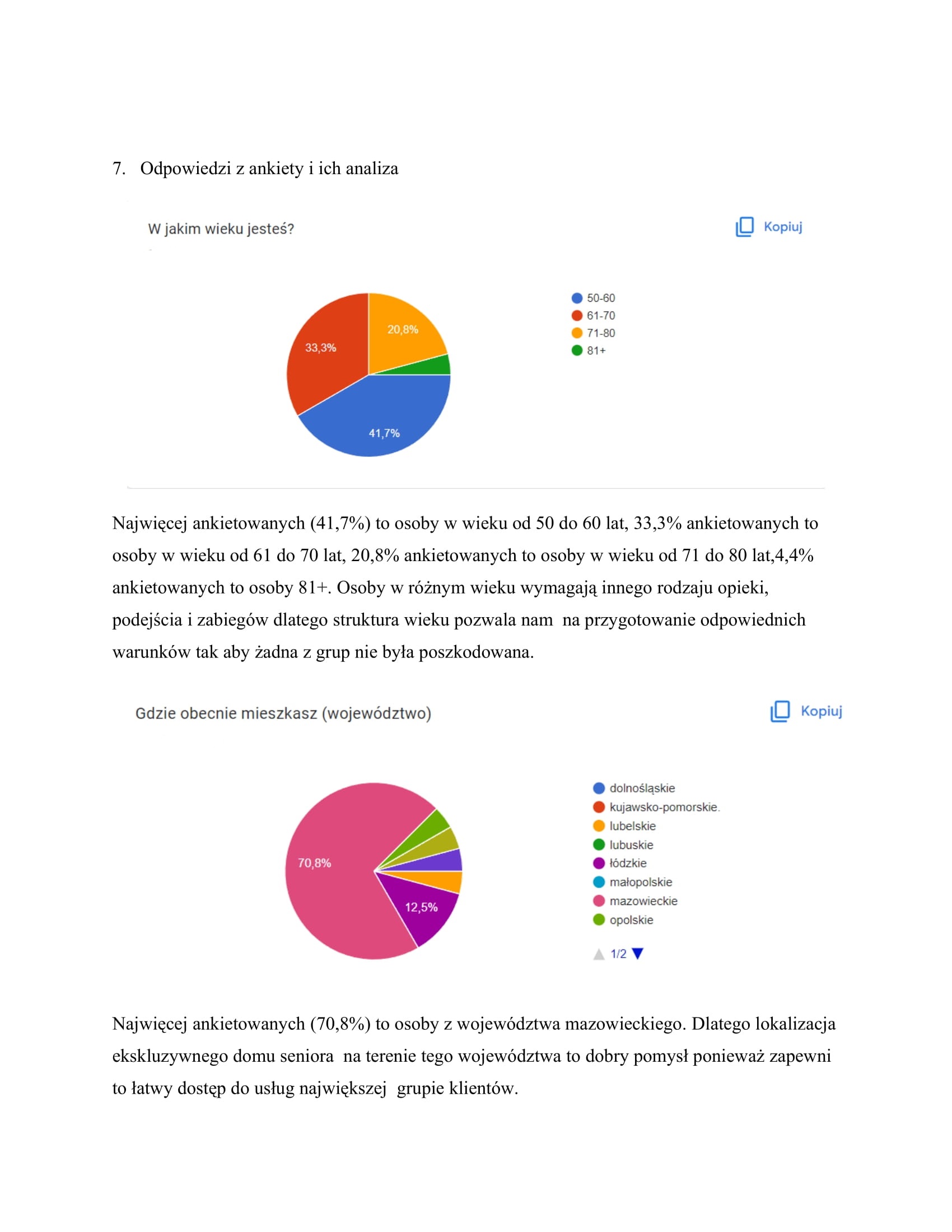
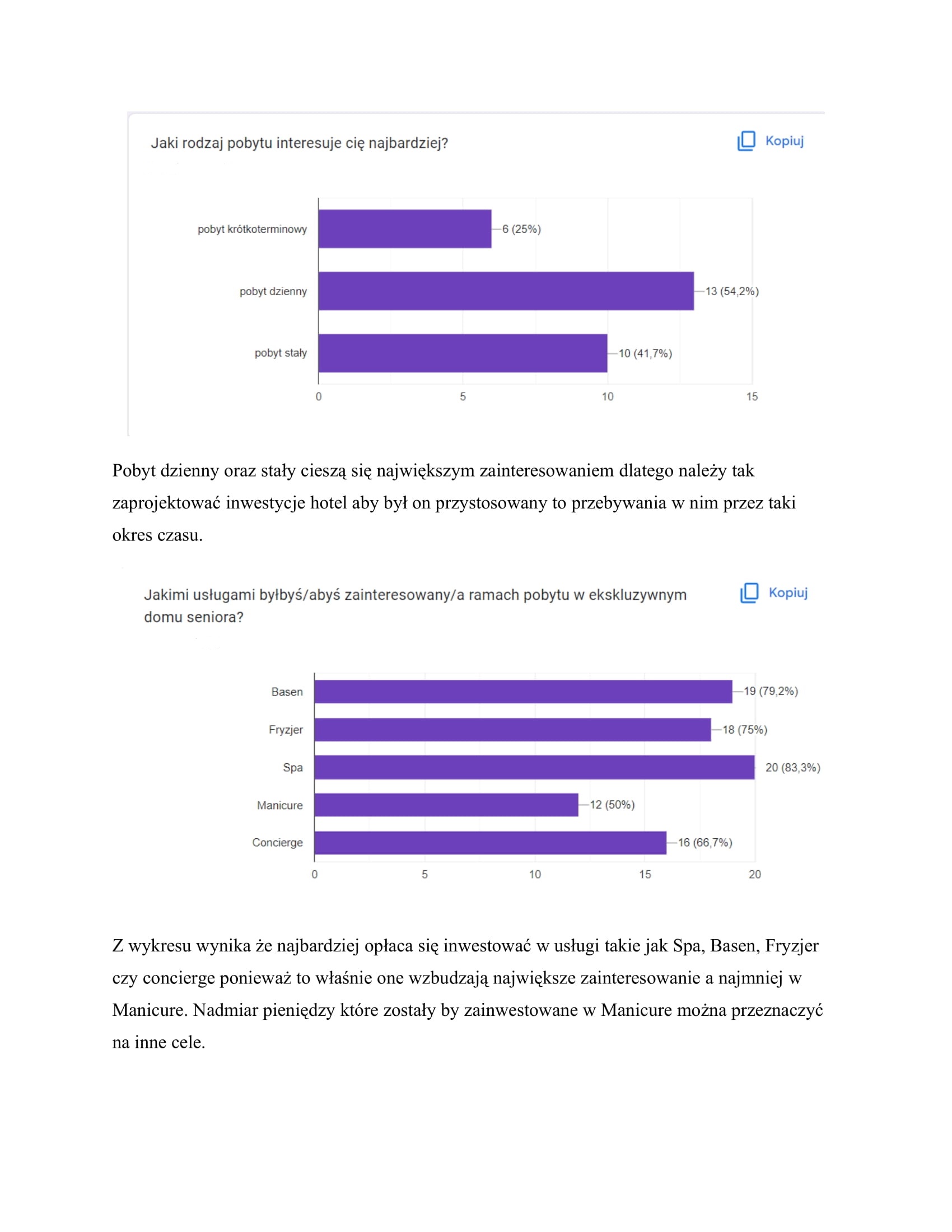
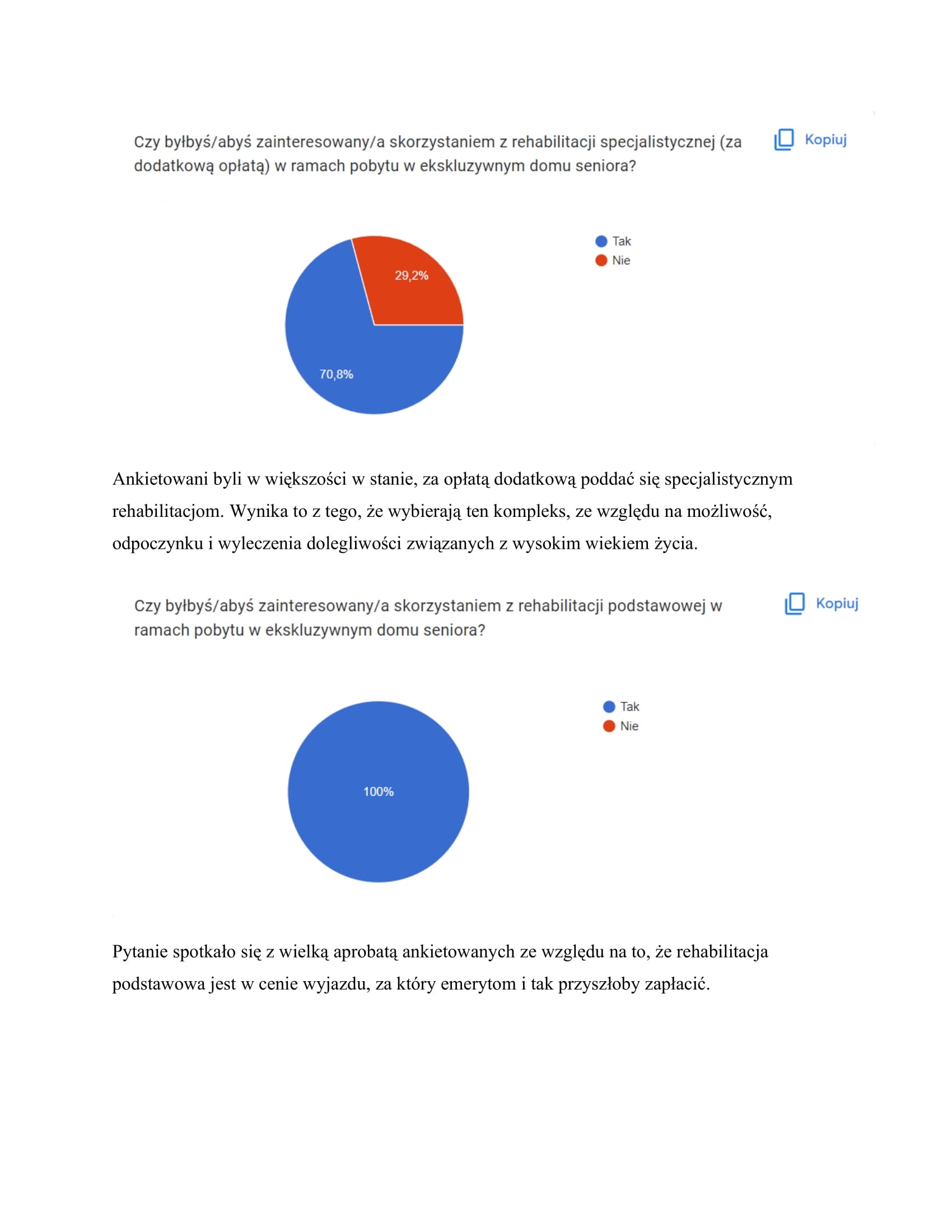
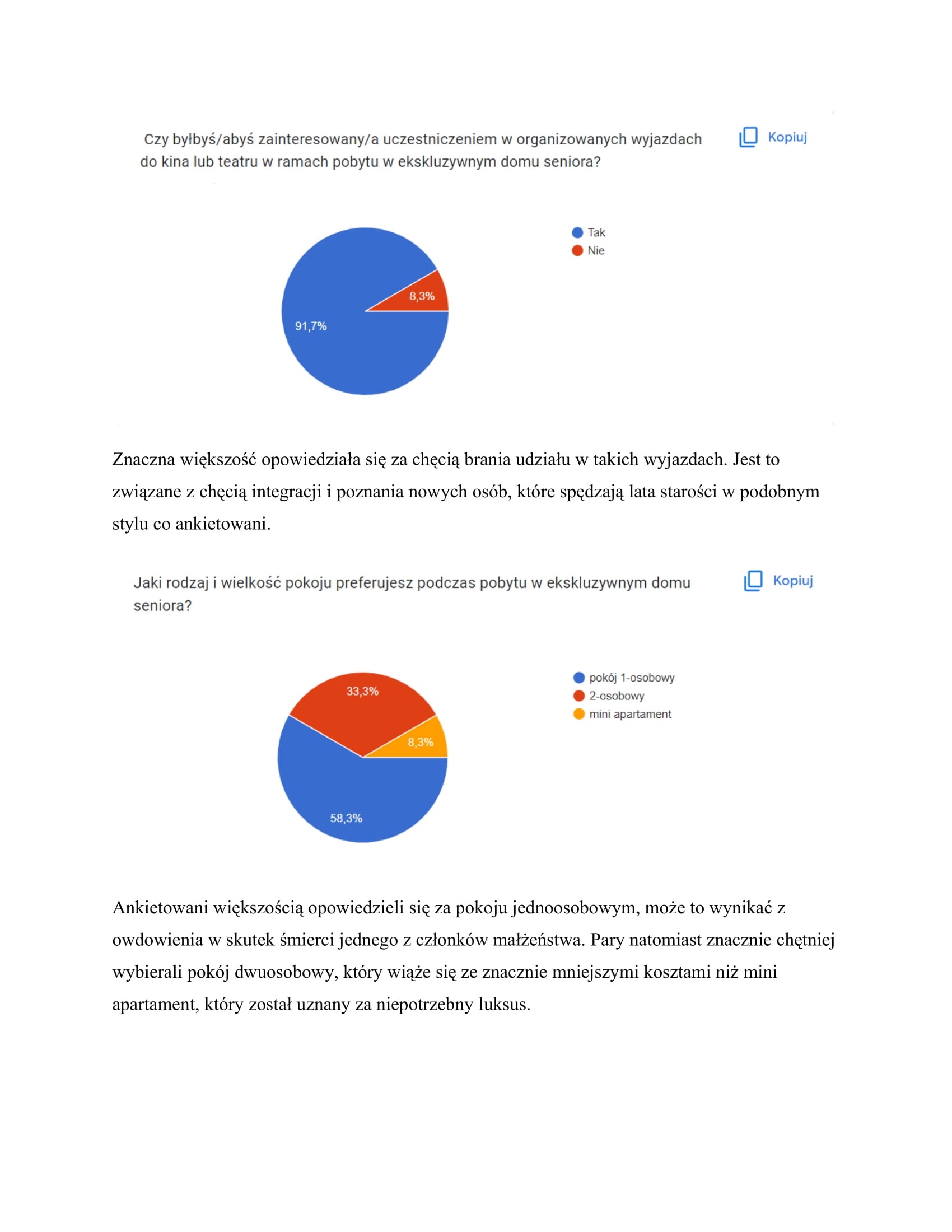
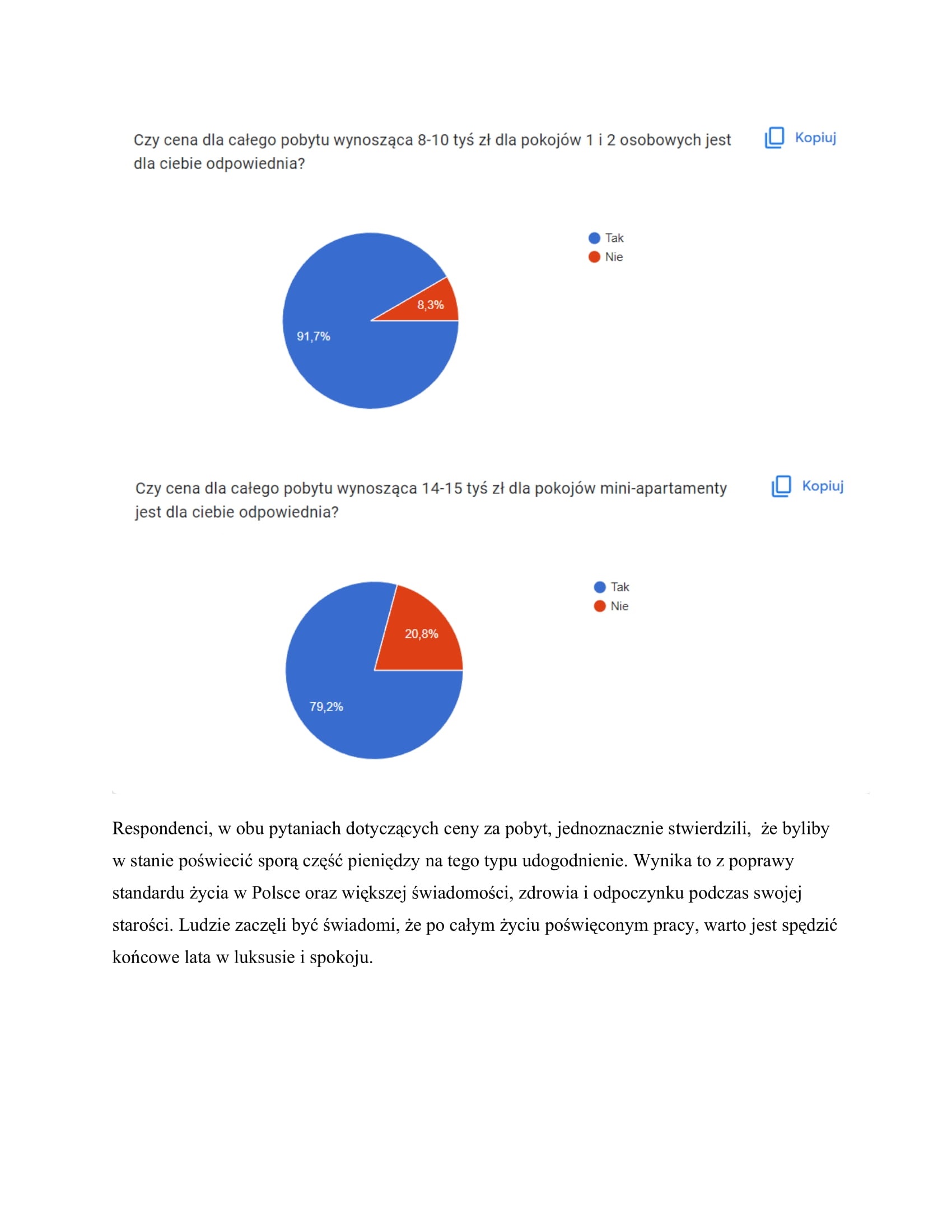
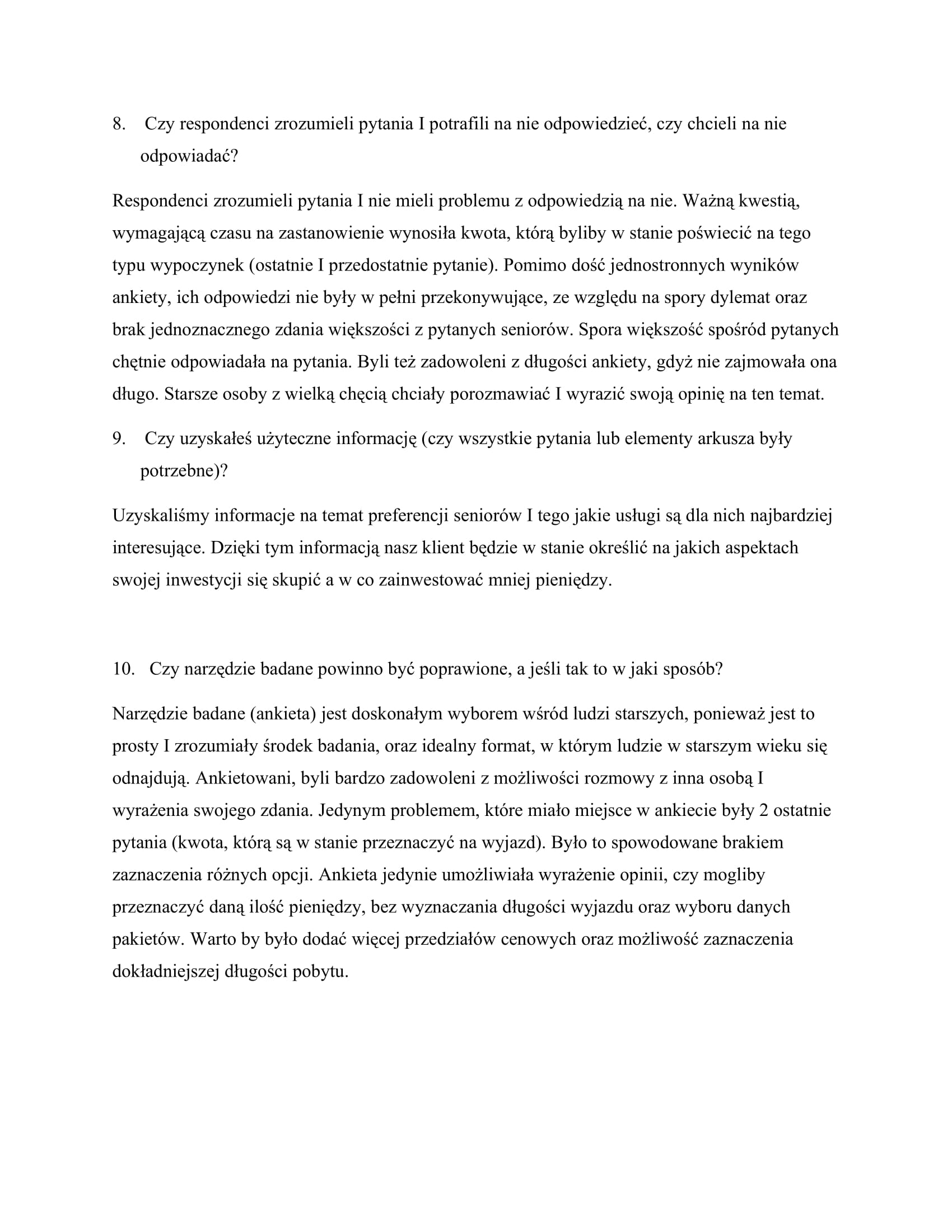
    The project set out to answer whether there is demand for an upmarket retirement home located in a landscape reserve near Modlin airport.

    Project stages:

  • Defining the research problem and the subject of the study, choosing the research technique, estimating the sample size and selecting the sampling method.
  • Designing the research instrument.
  • Running the study.
  • Drawing conclusions from the collected data.
  • Project documentation:
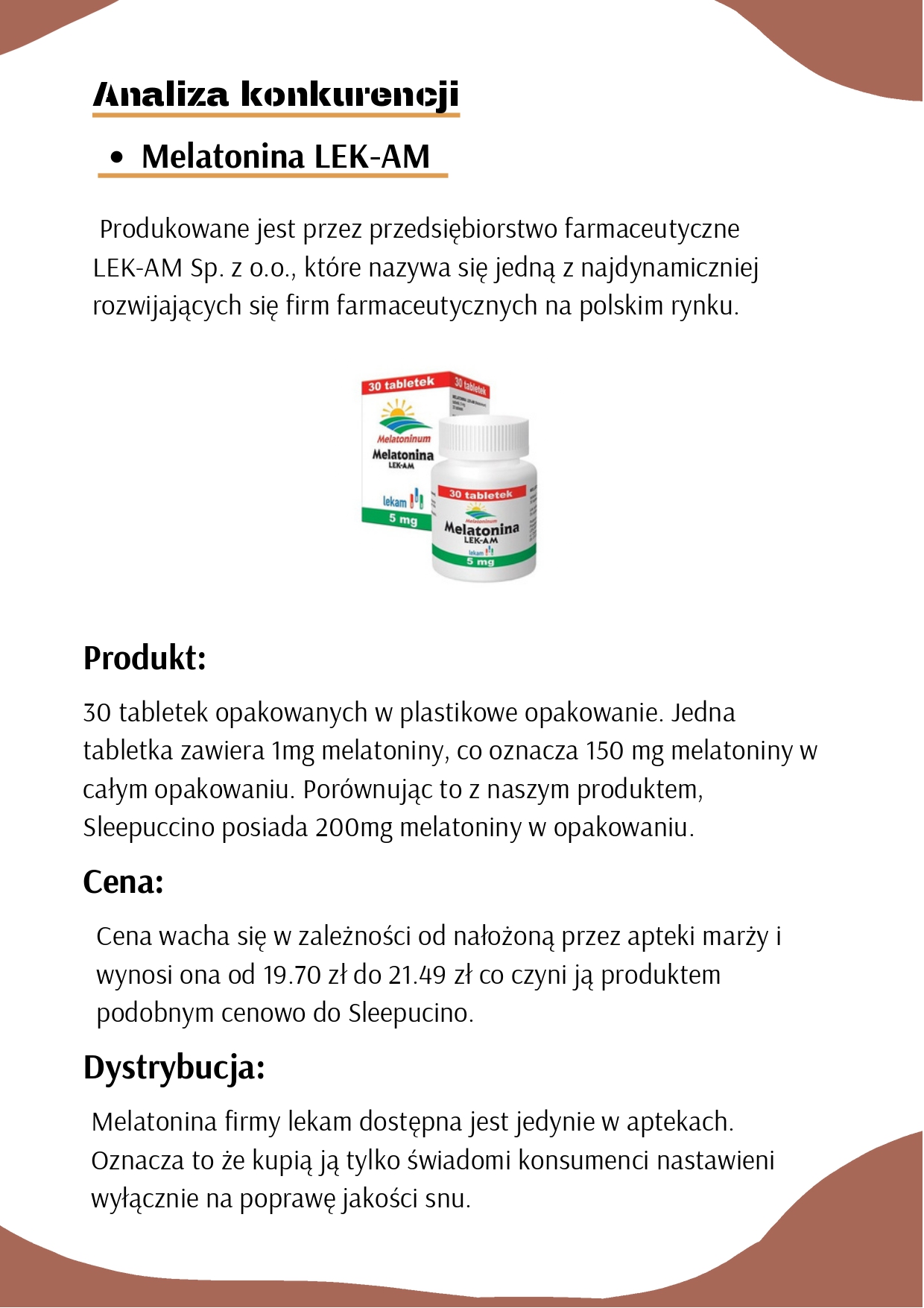
    Documentation of the market research on a retirement home, page 1
    Documentation of the market research on a retirement home, page 2
    Documentation of the market research on a retirement home, page 3
    Documentation of the market research on a retirement home, page 4
    Documentation of the market research on a retirement home, page 5
    Documentation of the market research on a retirement home, page 6
    Documentation of the market research on a retirement home, page 7
    Documentation of the market research on a retirement home, page 8

    Information systems design

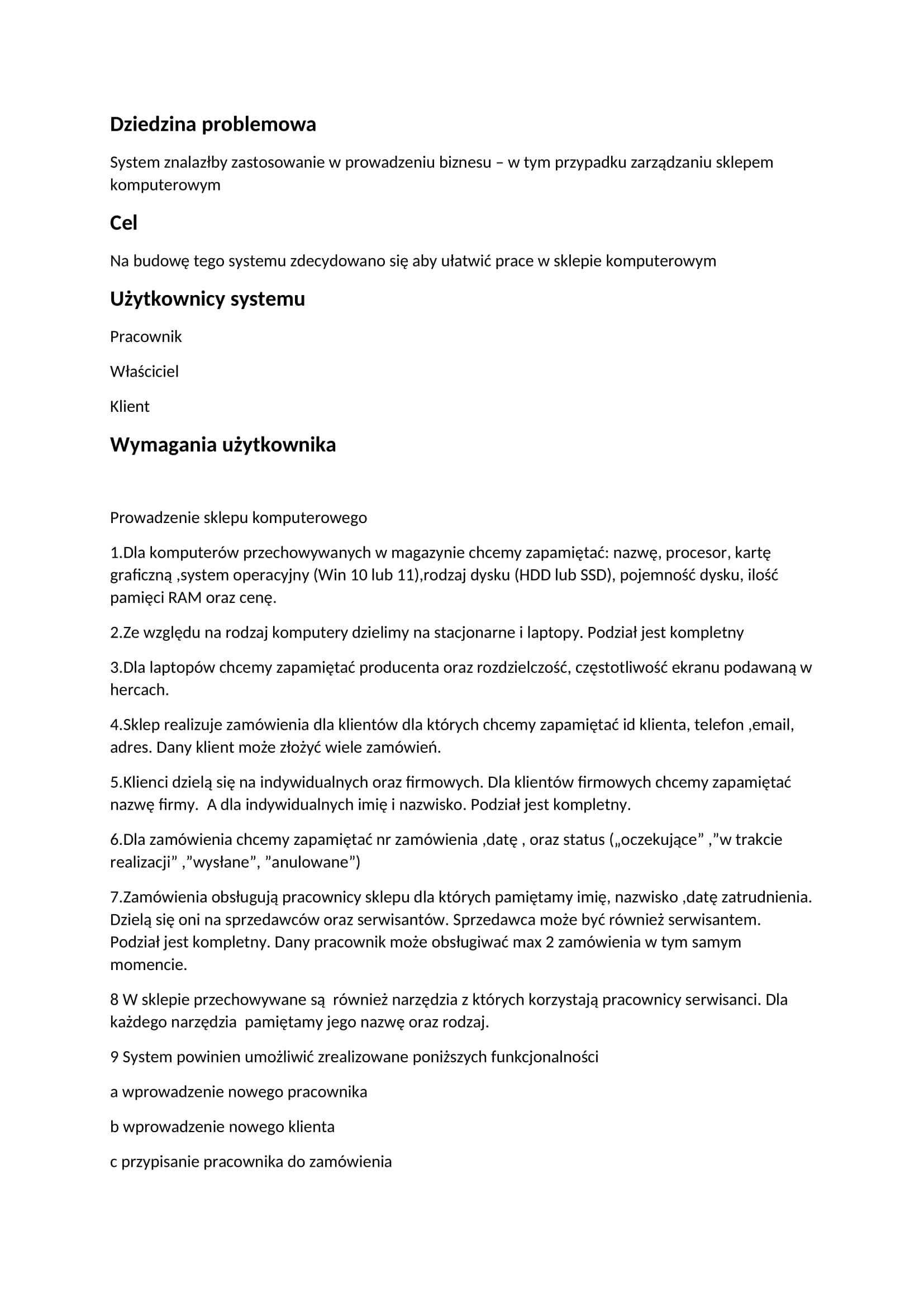
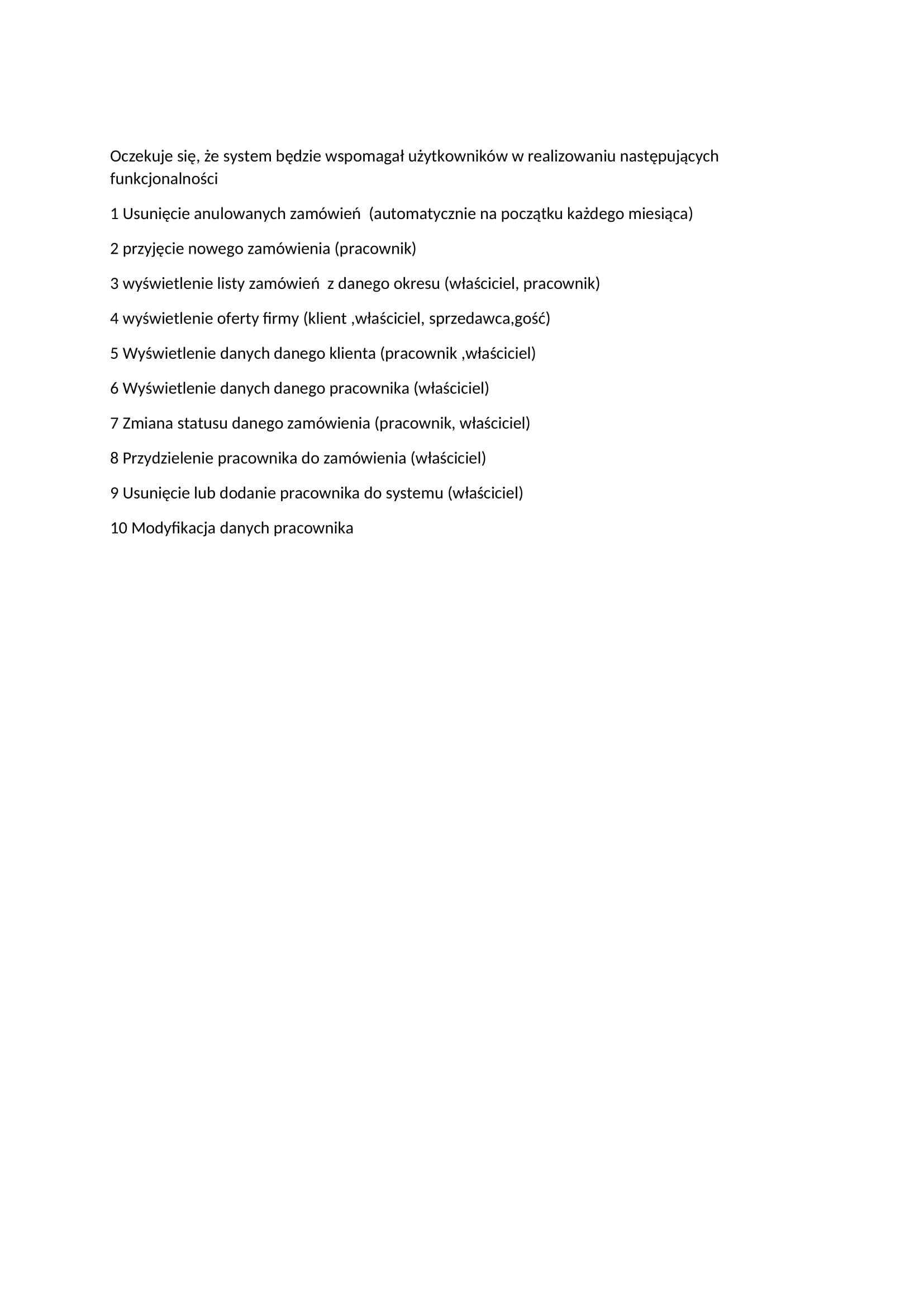
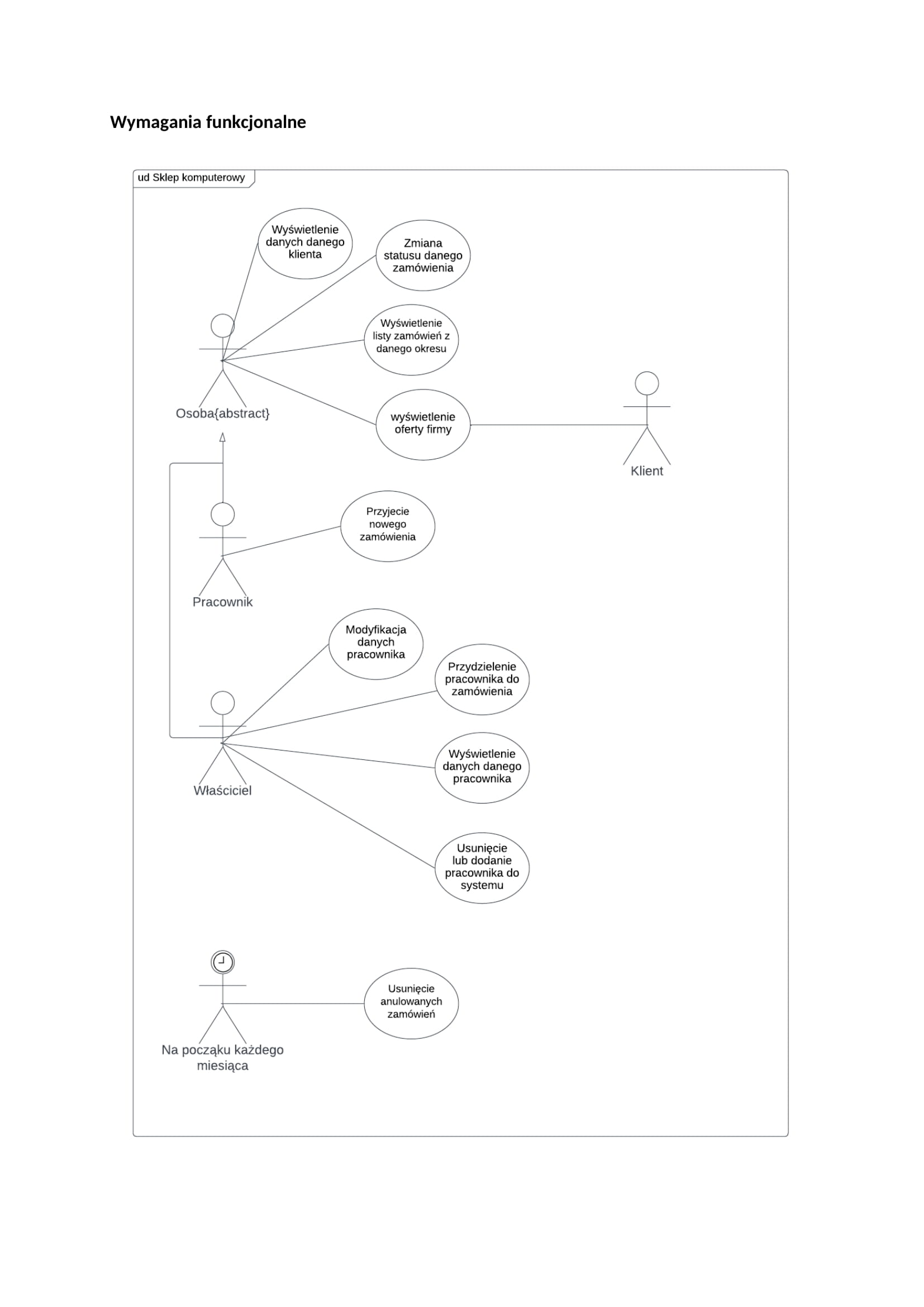
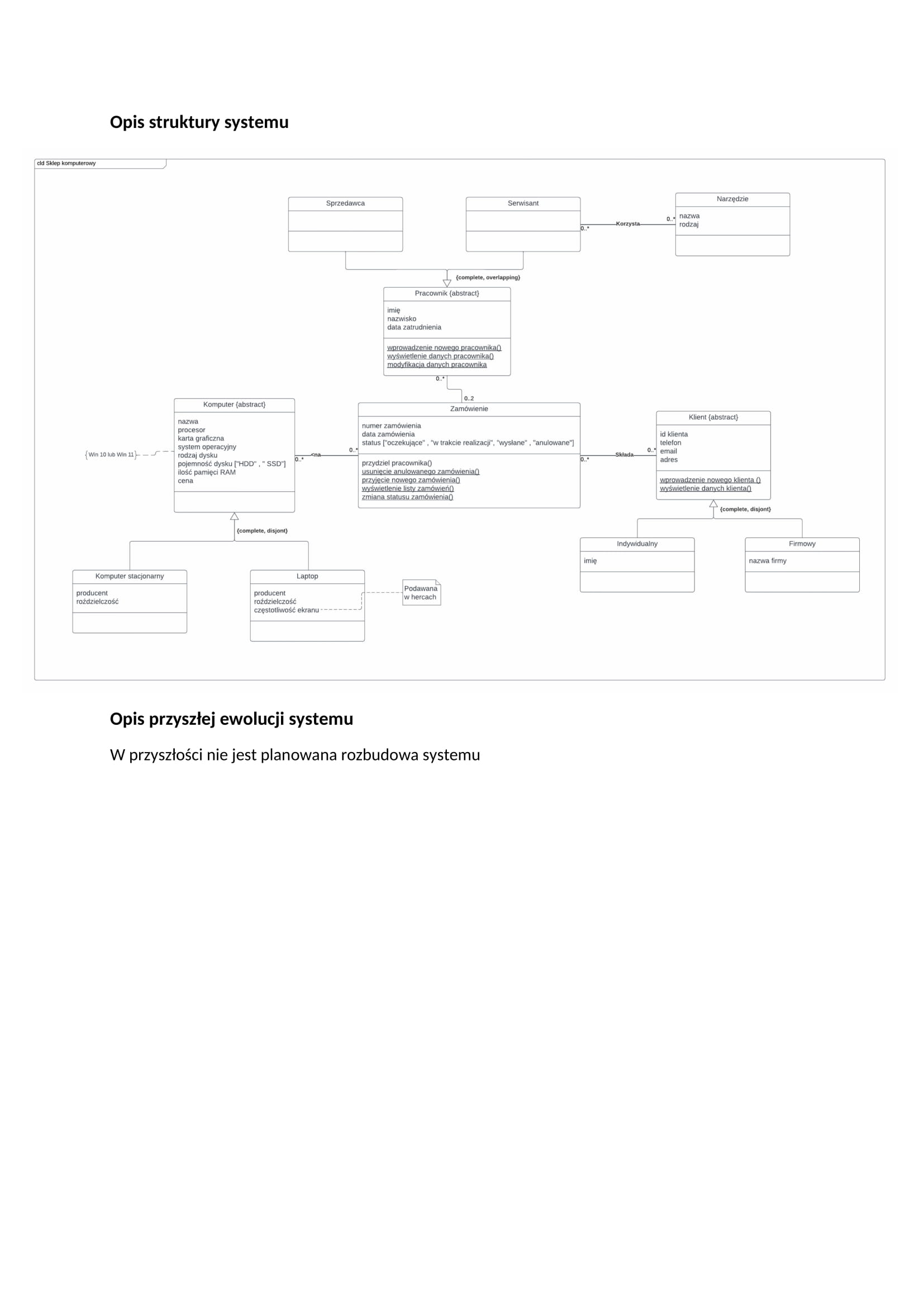
    The goal was to design an information system supporting the management of a computer shop, automating the processes around orders, customers and staff.

    Key features:

  • Managing data about computer hardware (names, specifications, prices)
  • Order handling, including status and staff assignment
  • Managing customer and employee data
  • Automatic removal of cancelled orders
  • Users

  • Customers (placing orders)
  • Employees (handling orders)
  • Owner (managing the system and the staff)
  • Project documentation:
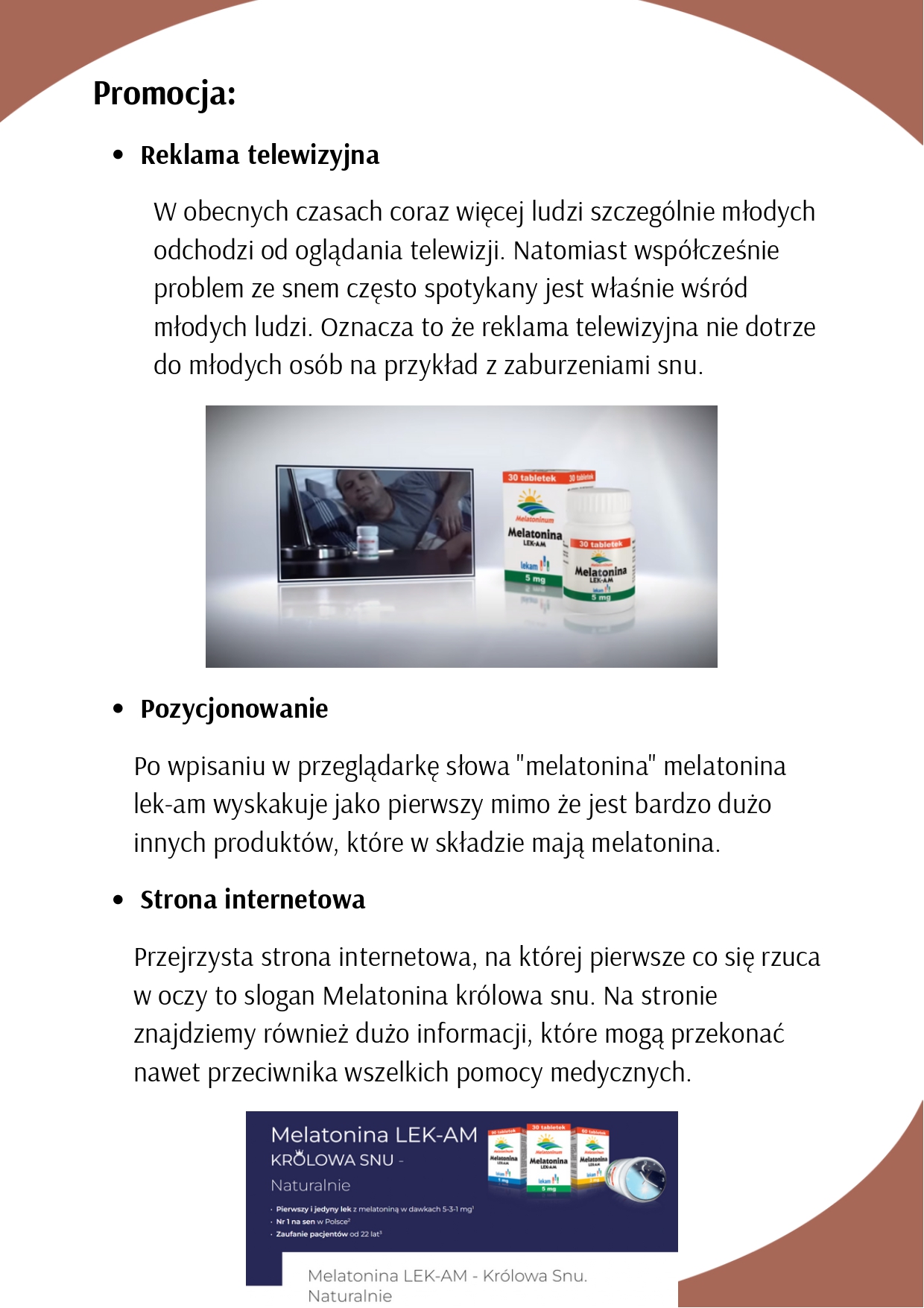
    Documentation of the information system project for a computer shop, page 1
    Documentation of the information system project for a computer shop, page 2
    Documentation of the information system project for a computer shop, page 3
    Documentation of the information system project for a computer shop, page 4

    Methods and techniques of business decision making

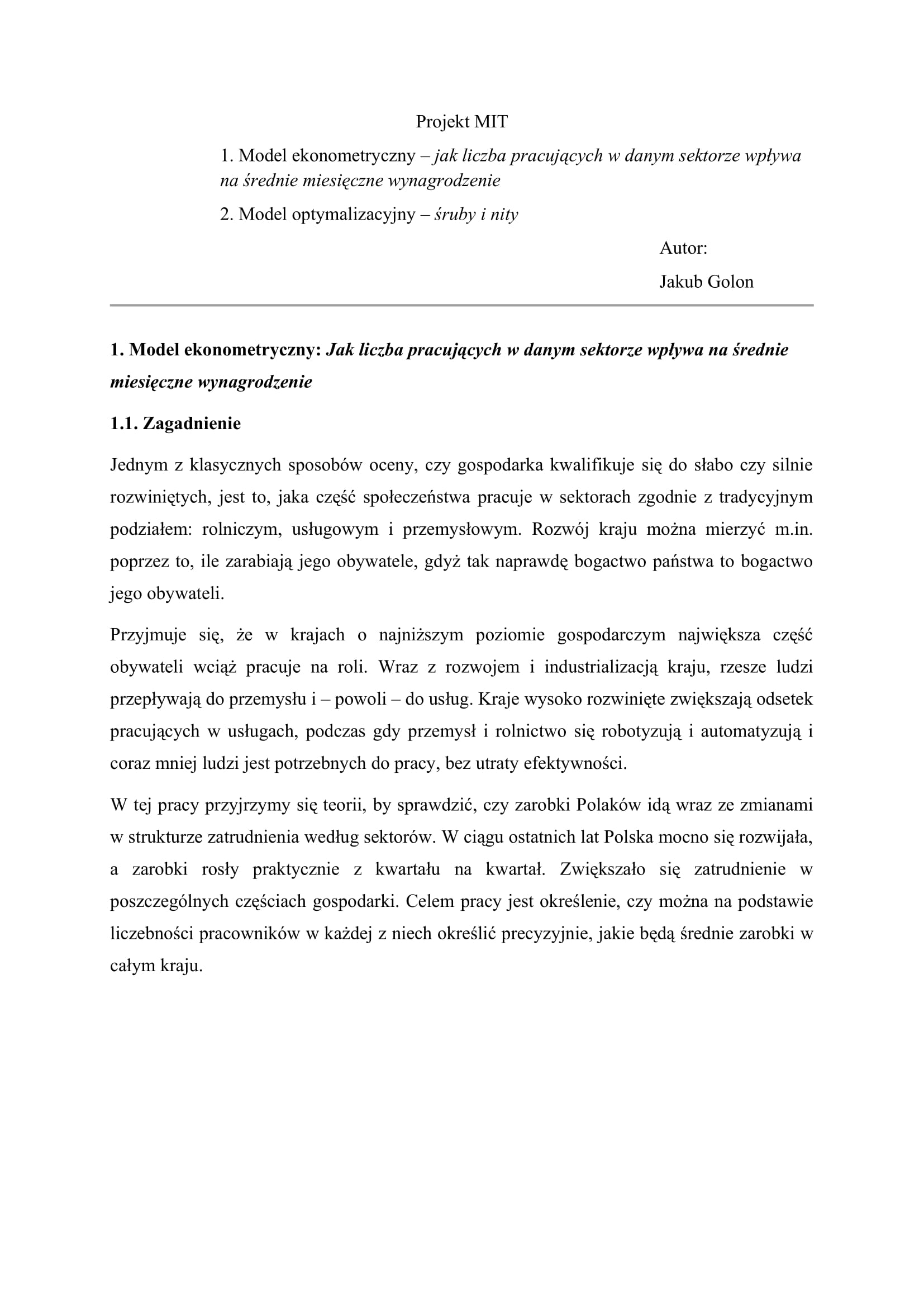
    The project consisted of two parts: building an econometric model and an optimisation model.

    Part 1: Econometric model

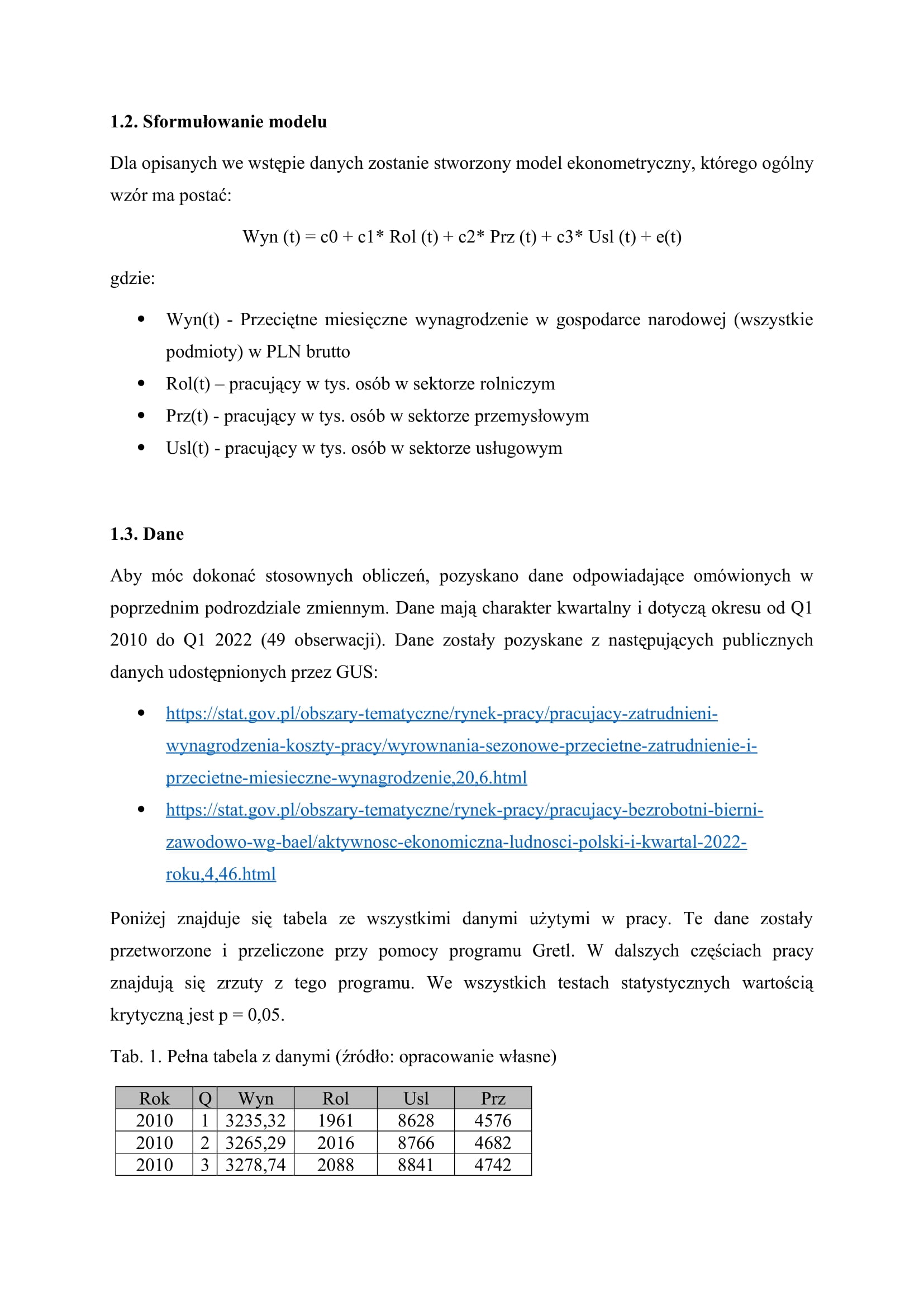
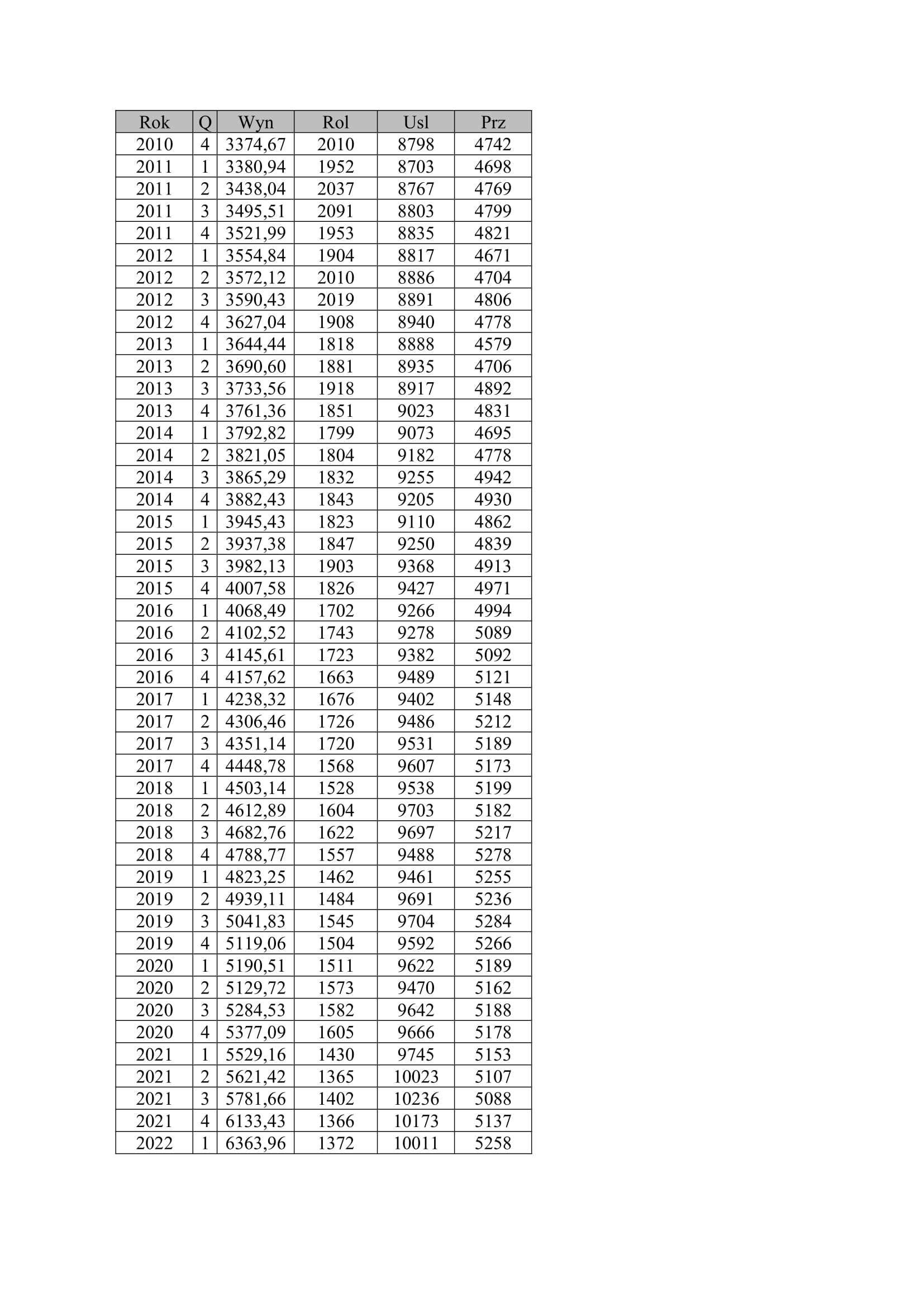
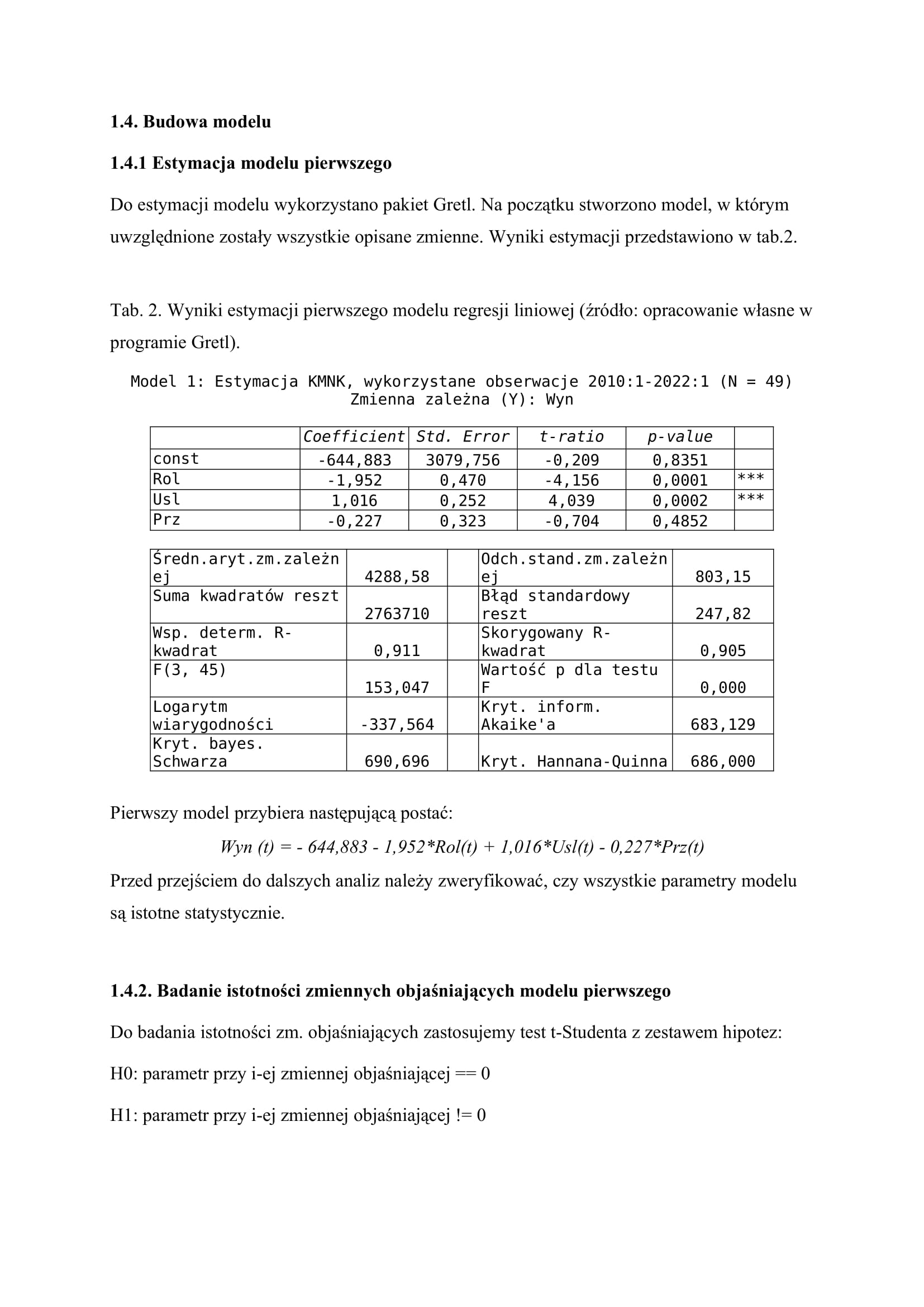
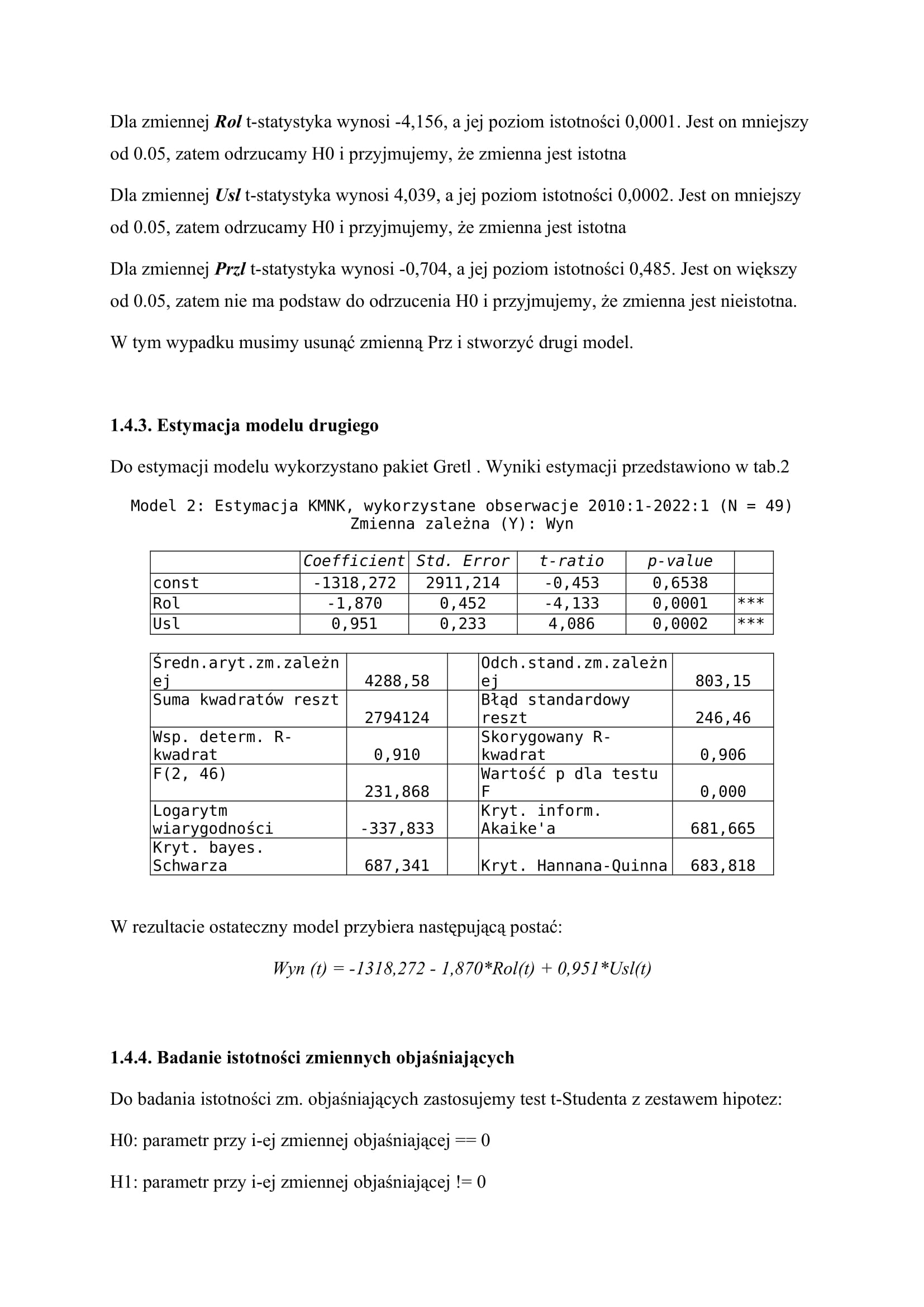
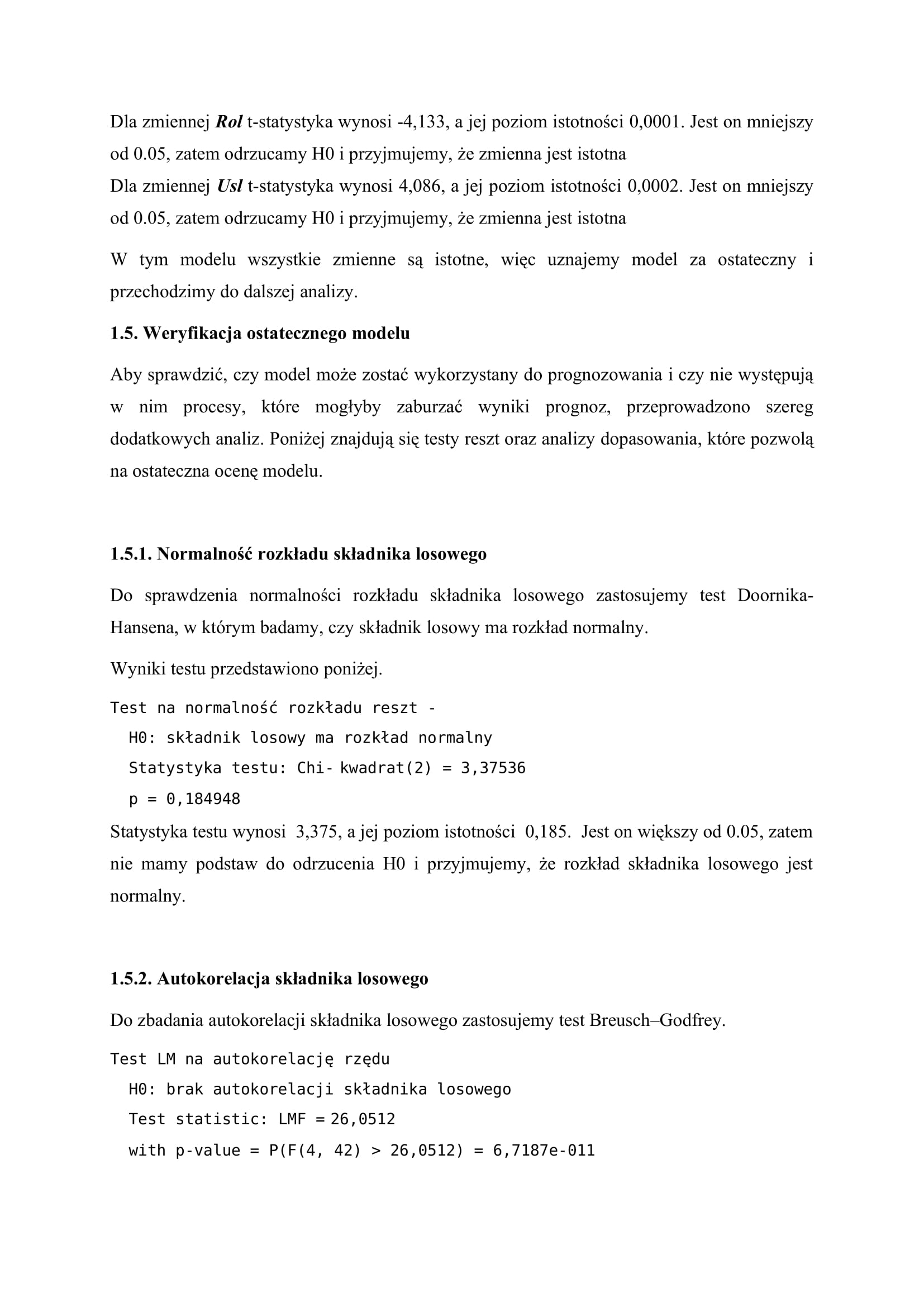
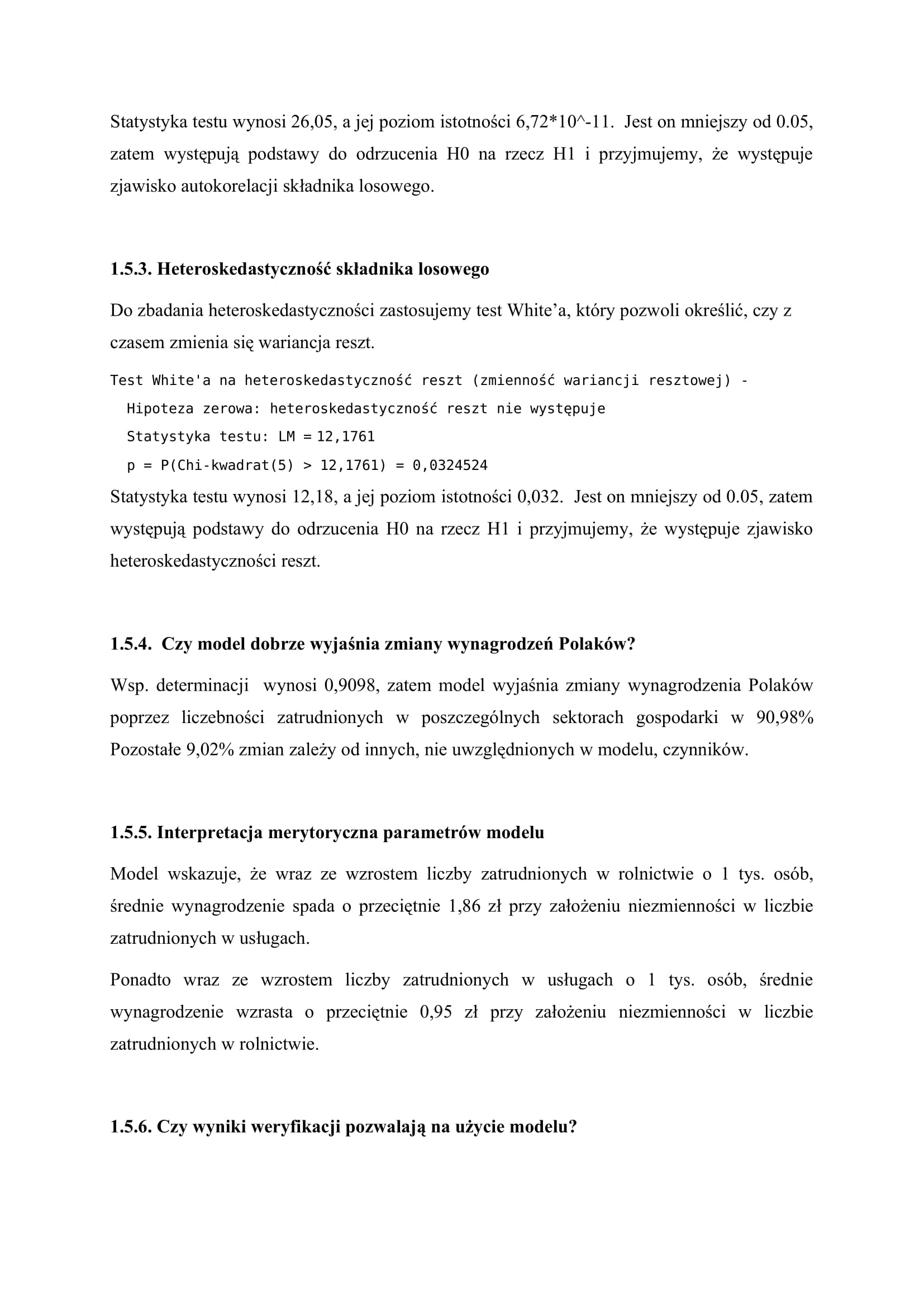
    The first part examined how the number of people employed in a given sector affects the average monthly salary. The analysis used statistical data covering 2010 to 2022, collected among others from government sources. The econometric model was built in Gretl, which supported the data analysis and regression. The model aimed to identify the relationship between headcount and pay, which can help in understanding the dynamics of the labour market in a sector.

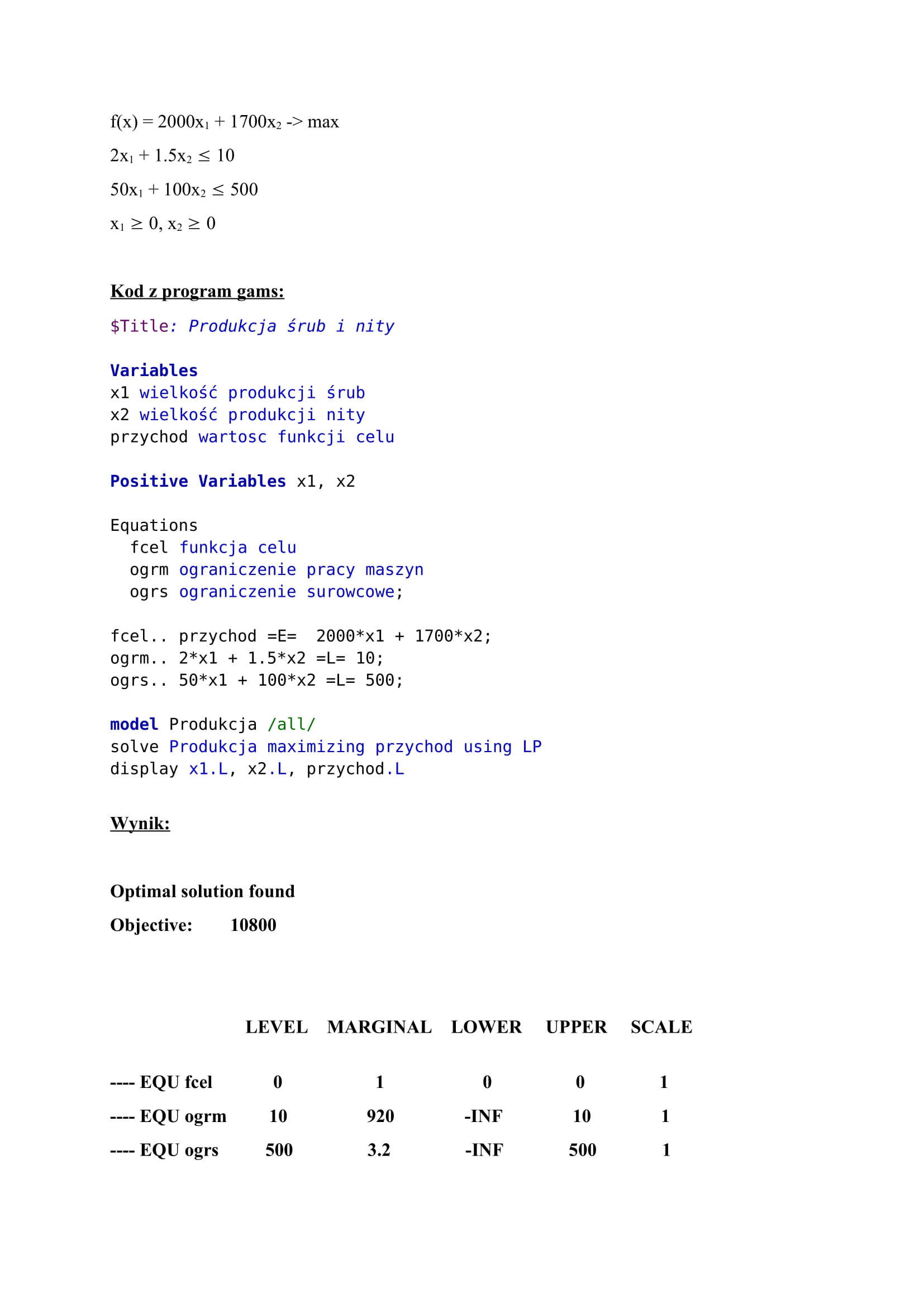
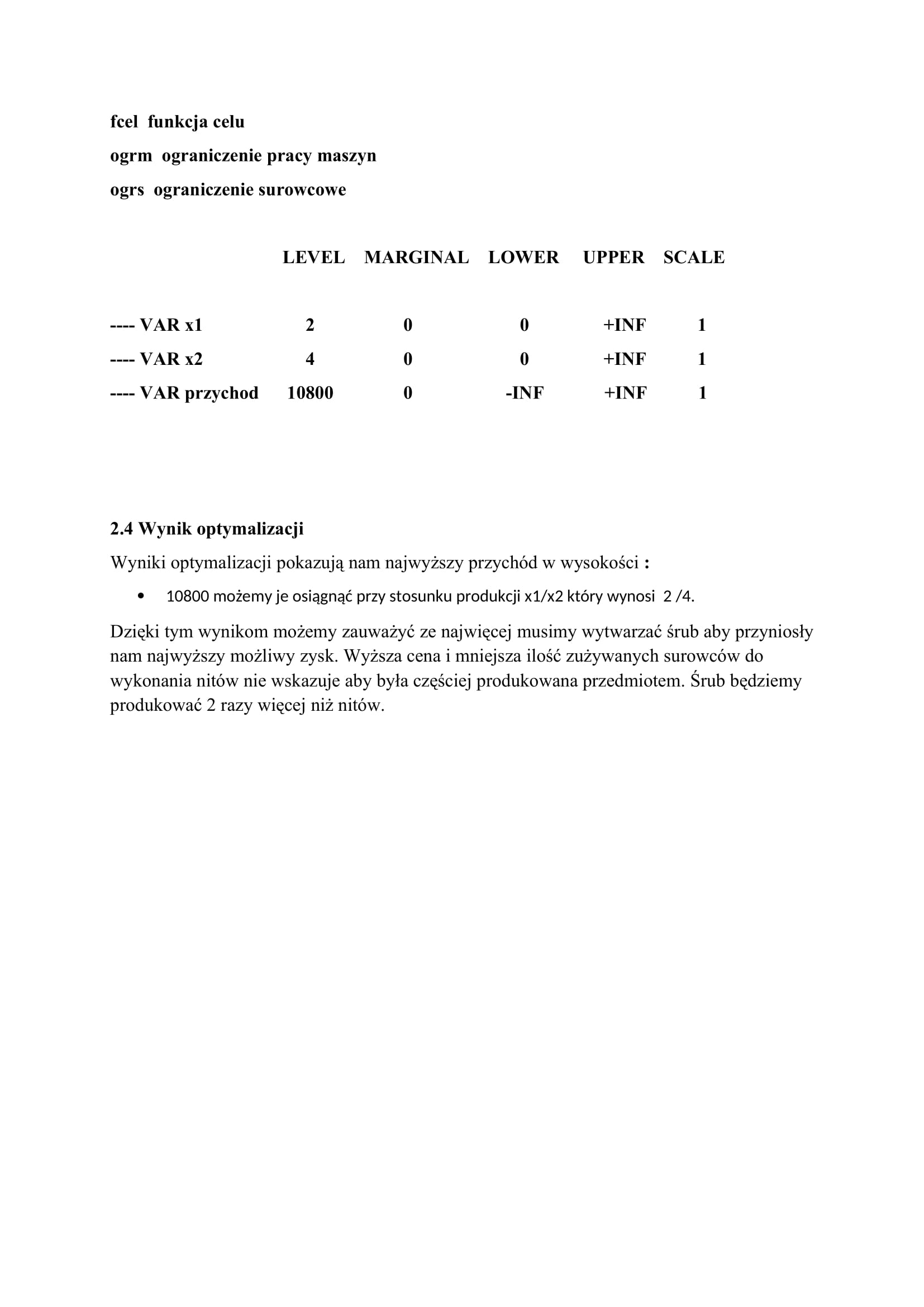
    Part 2: Optimisation model

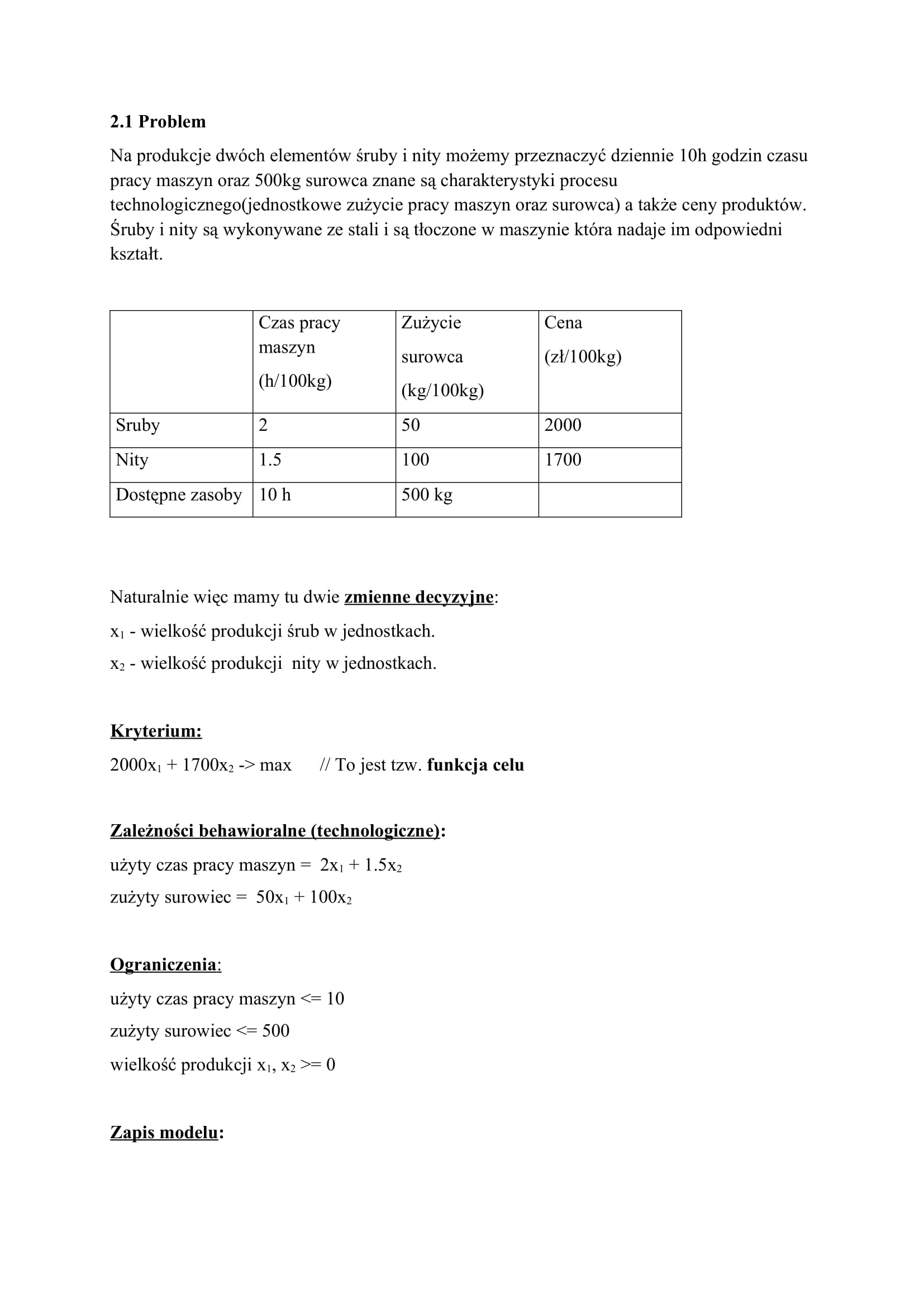
    The second part focused on an optimisation model for the production of screws and rivets, aimed at maximising company revenue. The model was meant to indicate the optimal production decisions given the available resources and the constraints affecting production efficiency, which made it possible to propose changes that increase profit through process optimisation.

    Project documentation:
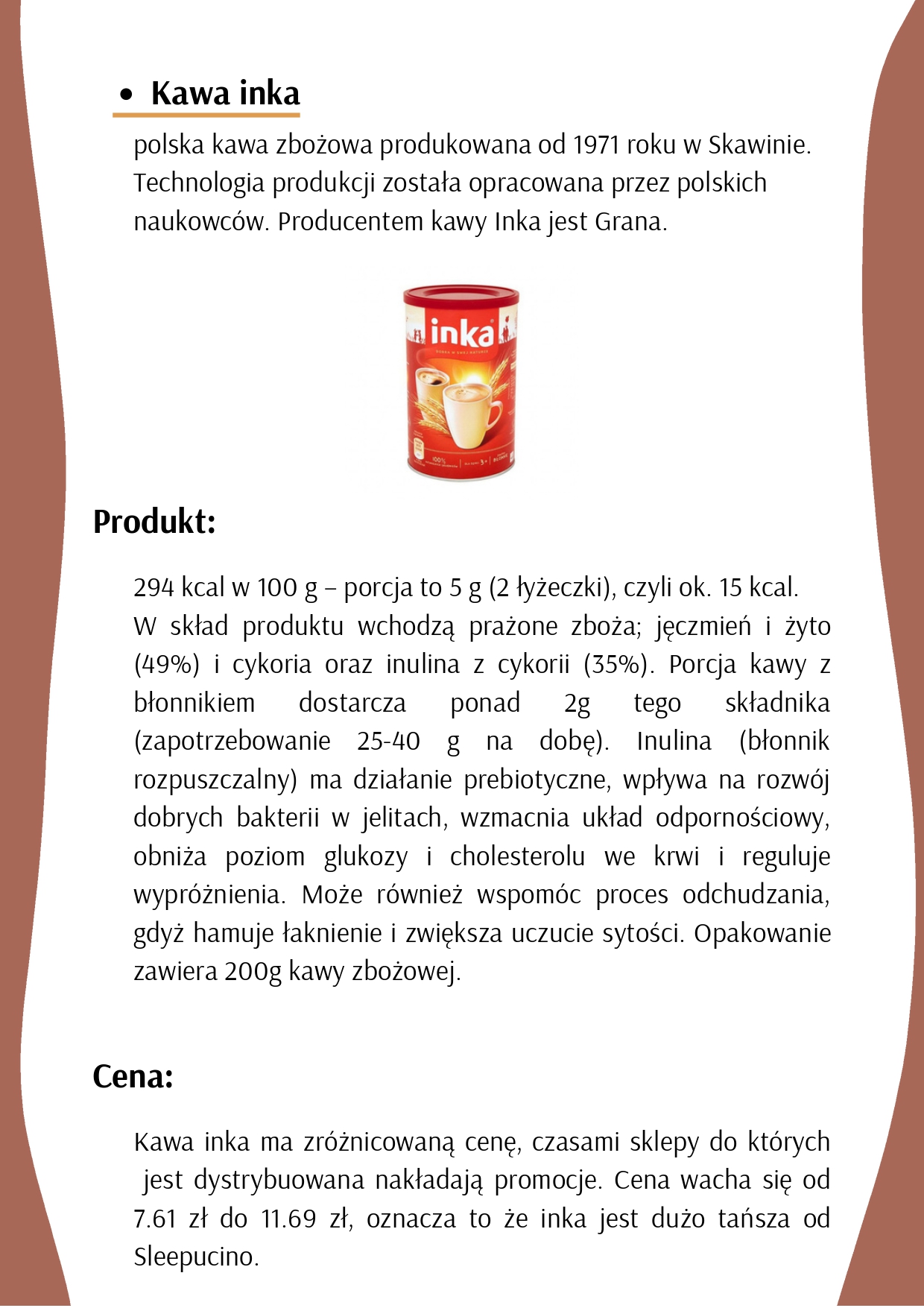
    Documentation of the econometric and optimisation models, page 1
    Documentation of the econometric and optimisation models, page 2
    Documentation of the econometric and optimisation models, page 3
    Documentation of the econometric and optimisation models, page 4
    Documentation of the econometric and optimisation models, page 5
    Documentation of the econometric and optimisation models, page 6
    Documentation of the econometric and optimisation models, page 7
    Documentation of the econometric and optimisation models, page 8
    Documentation of the econometric and optimisation models, page 9
    Documentation of the econometric and optimisation models, page 10
    Documentation of the econometric and optimisation models, page 11

    Marketing

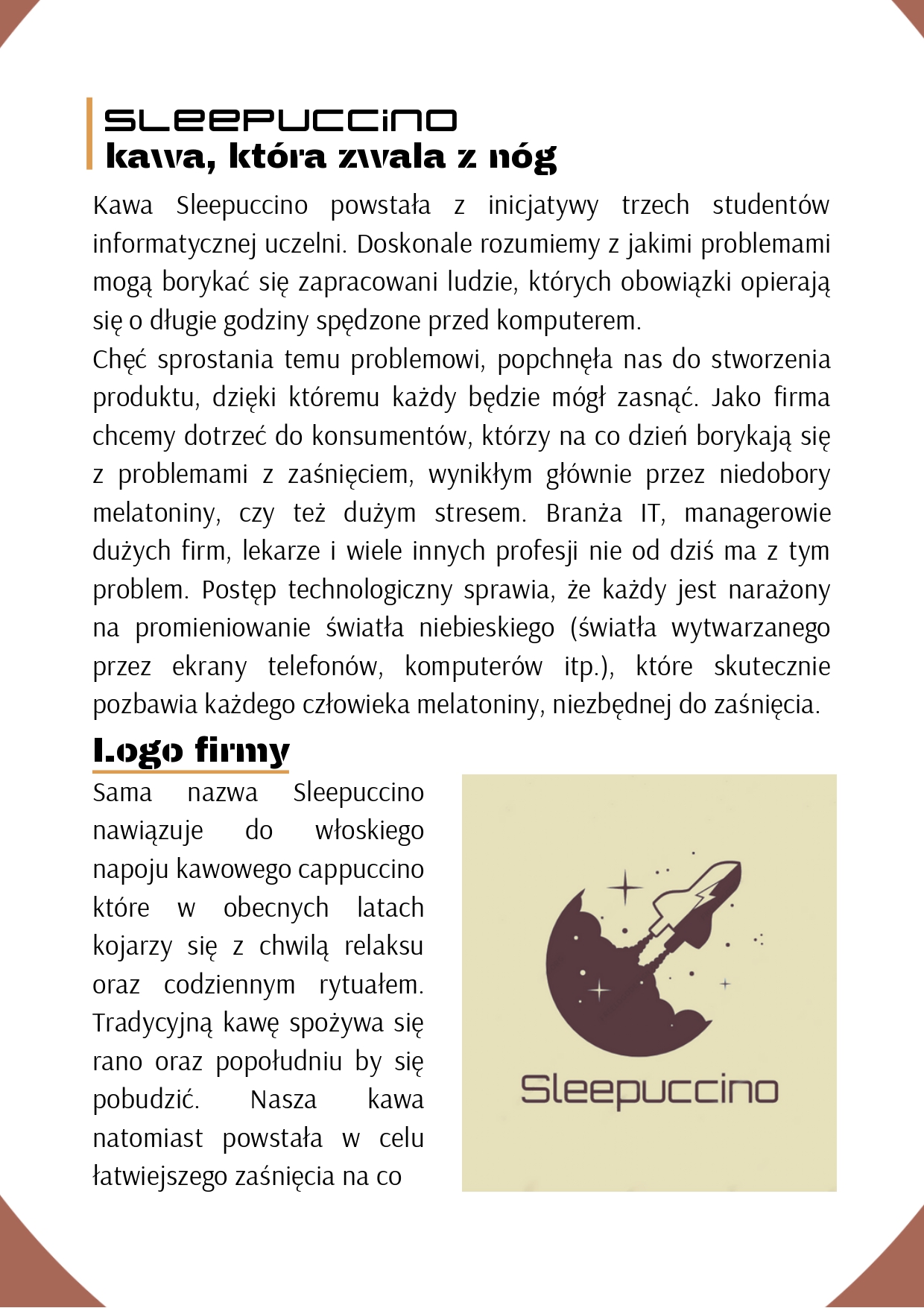
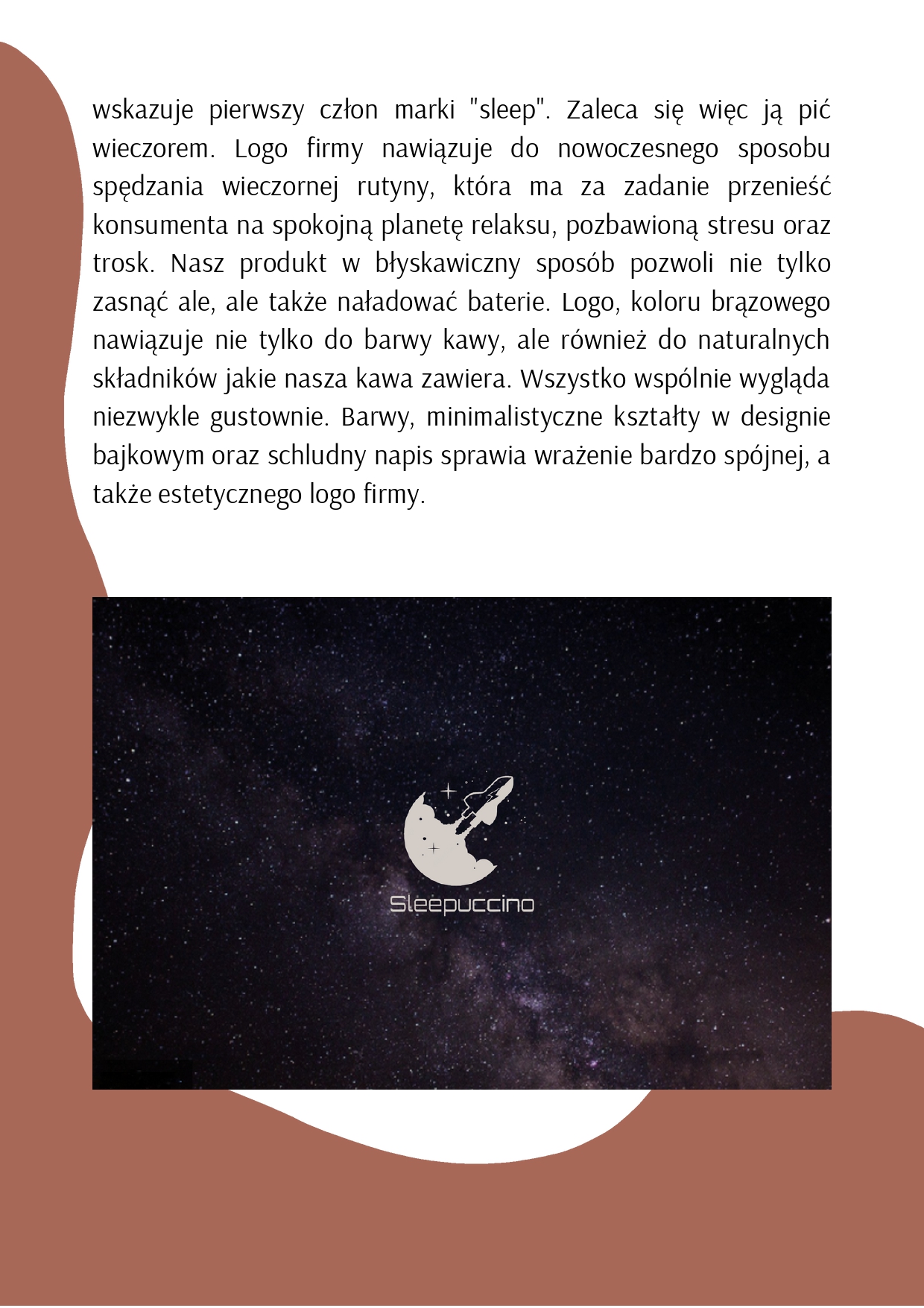
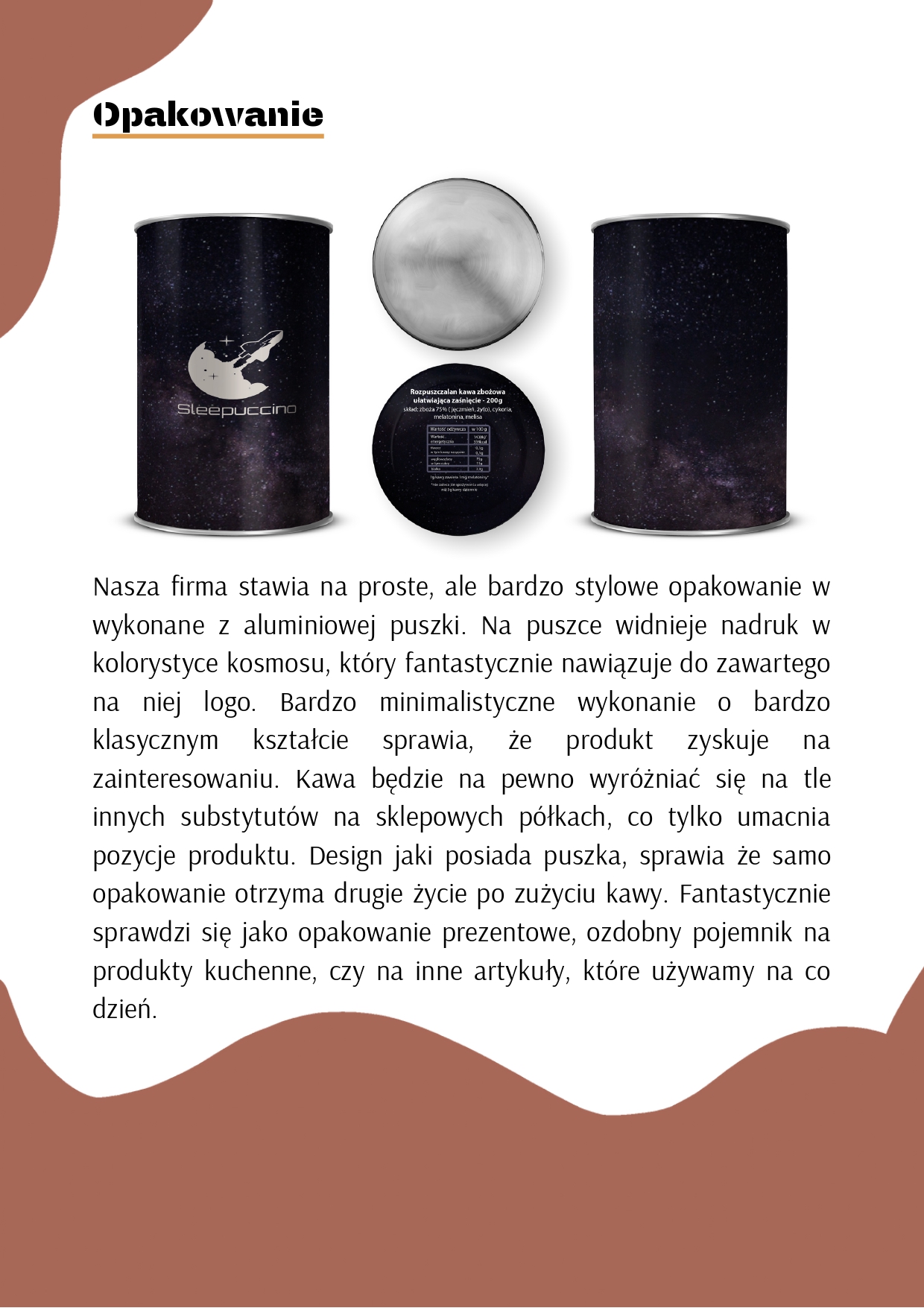
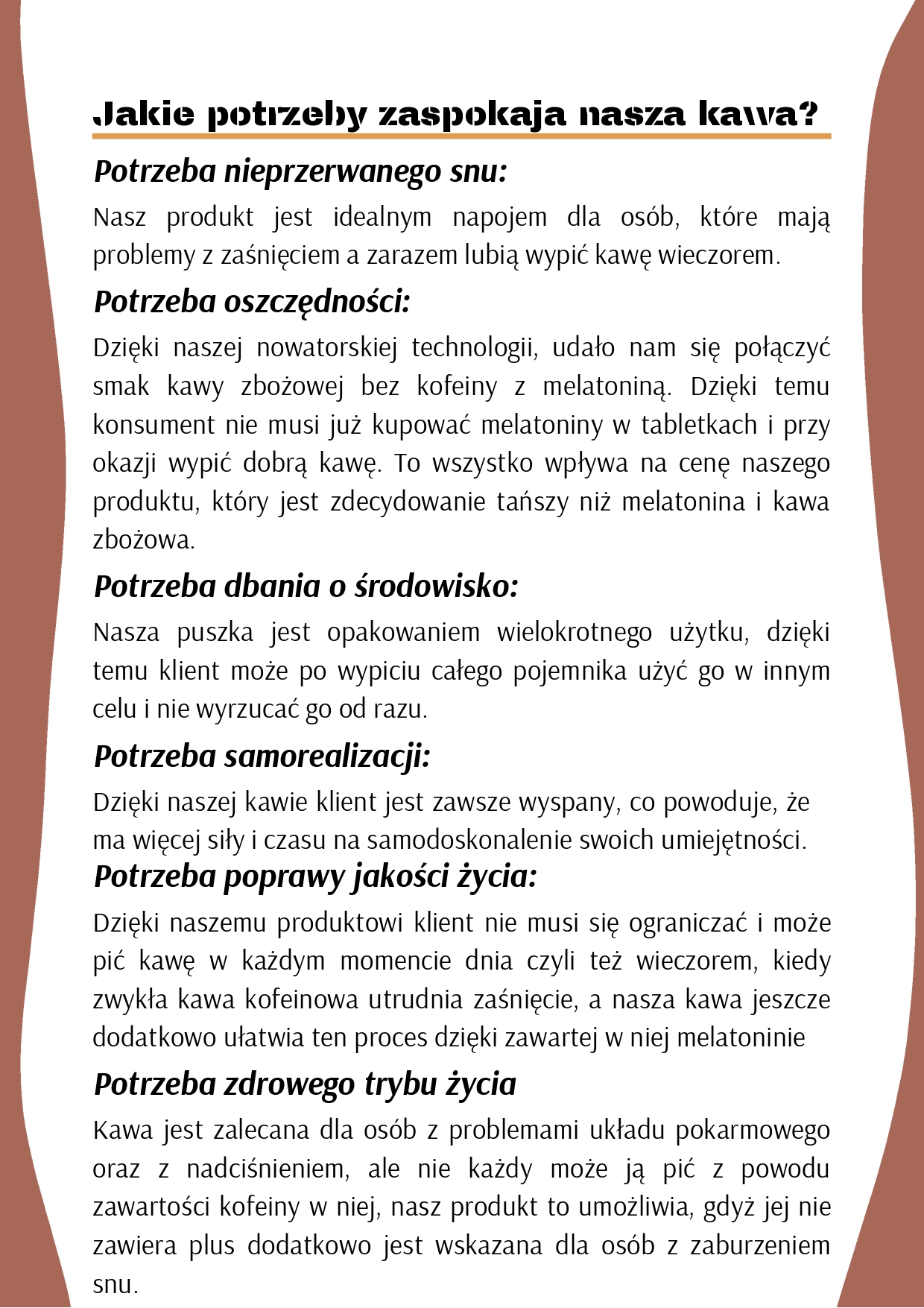
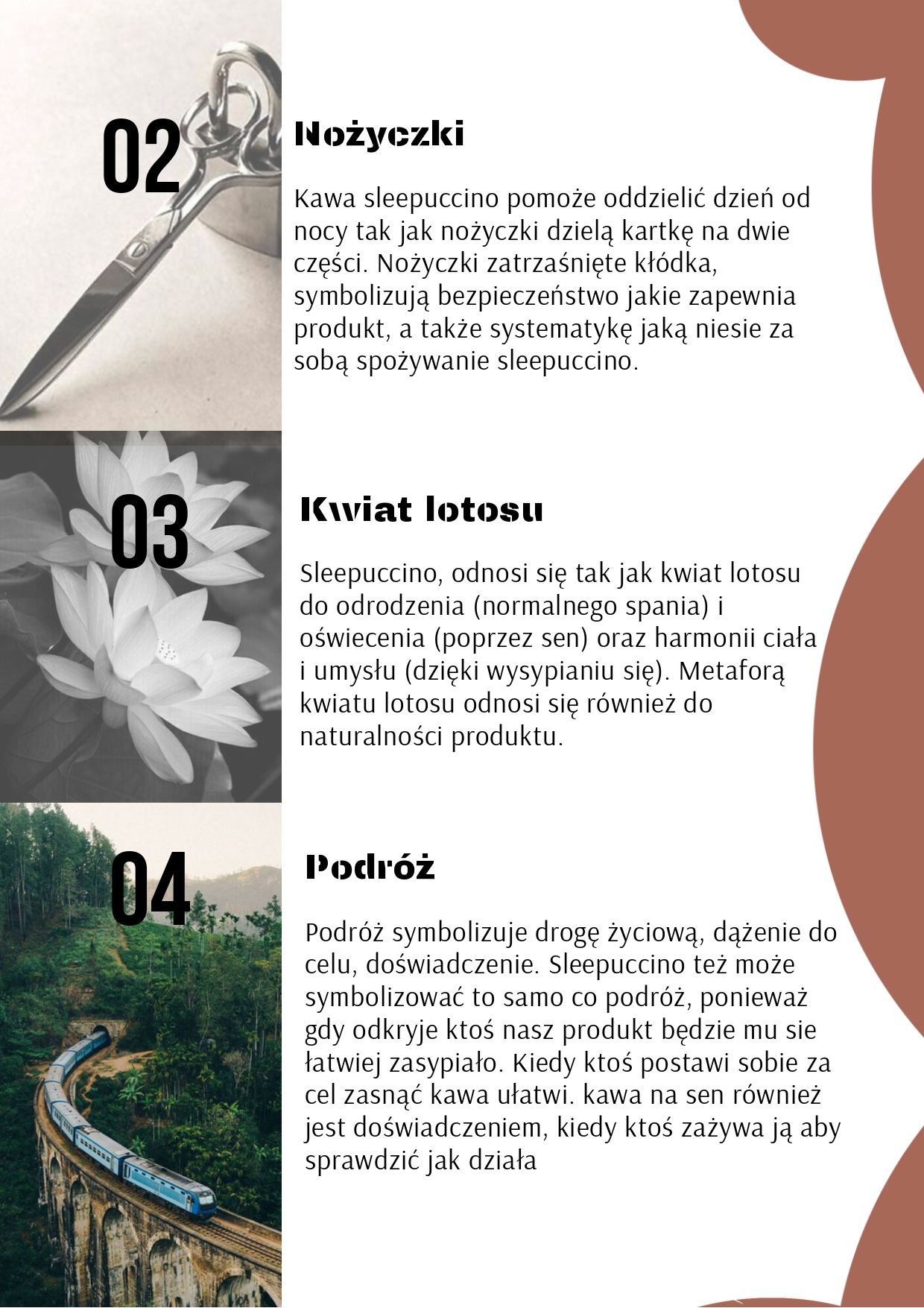
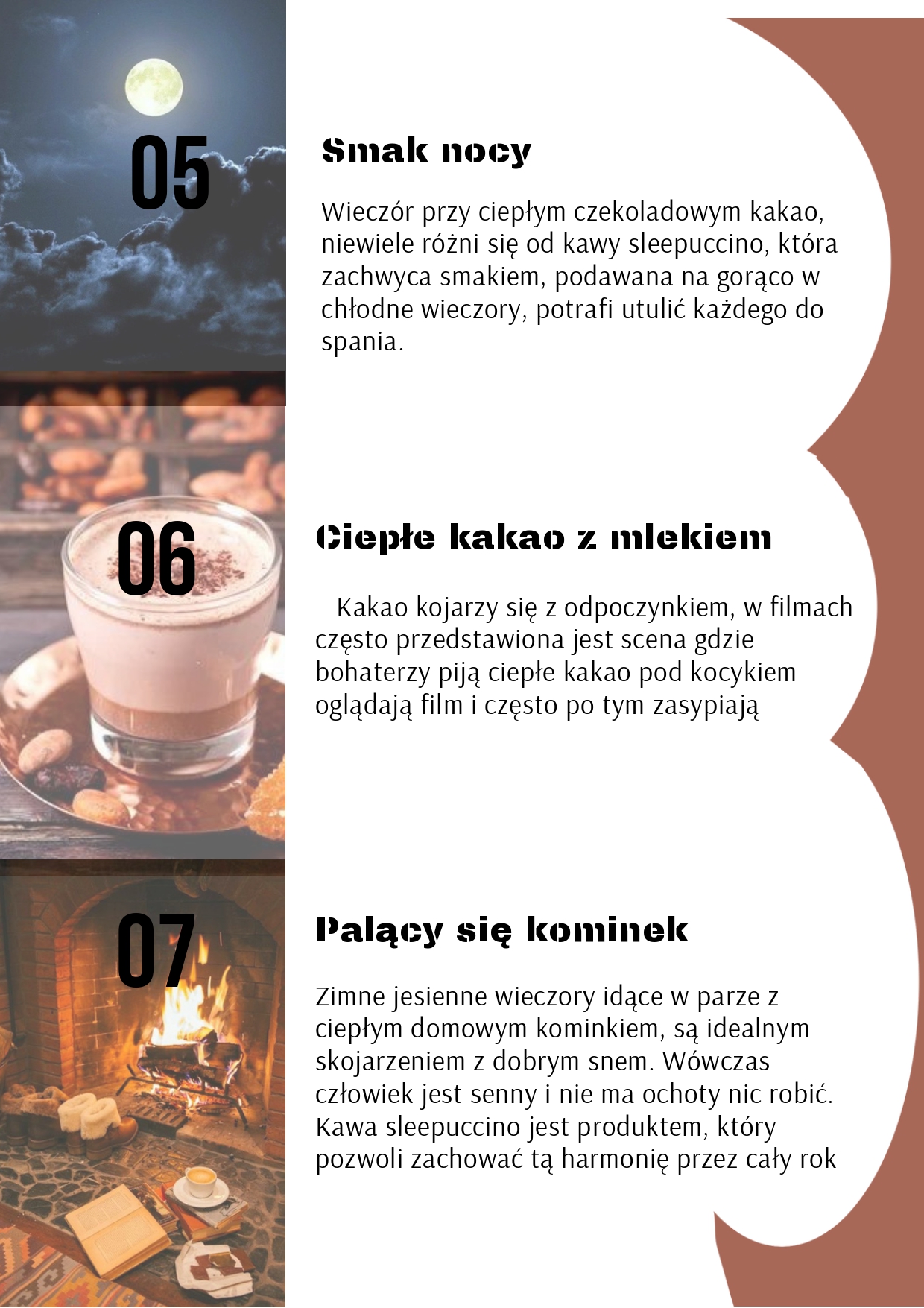
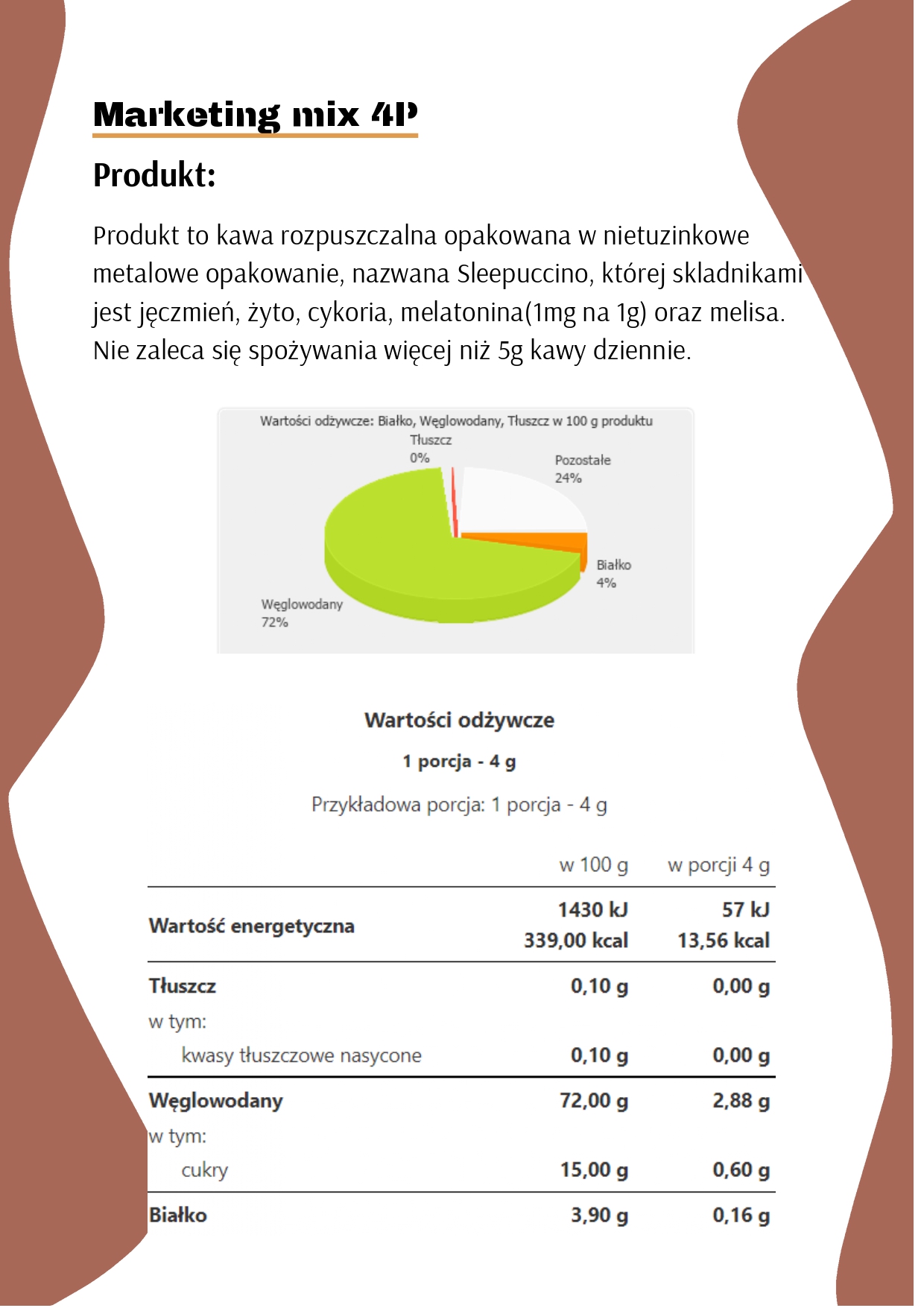
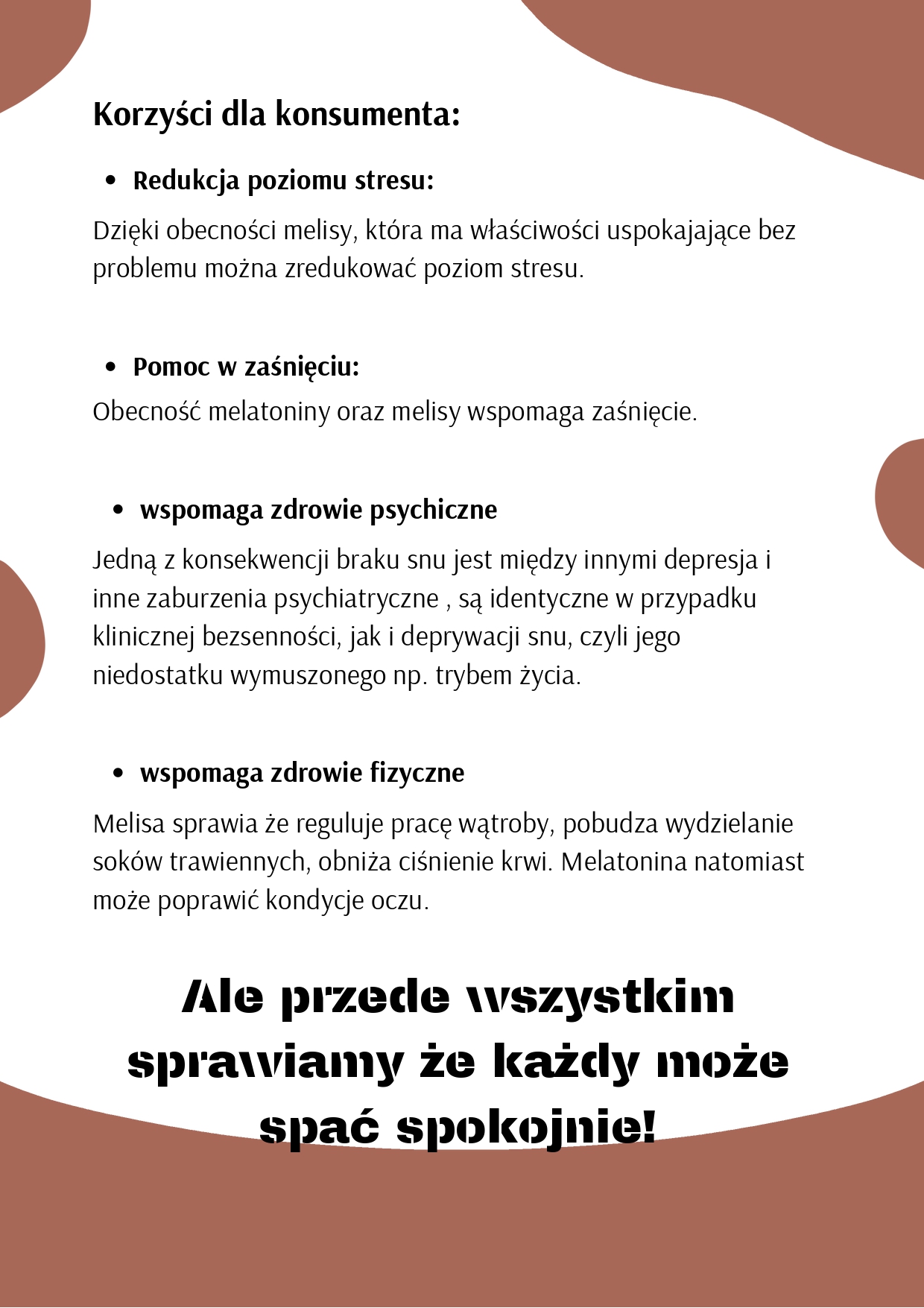
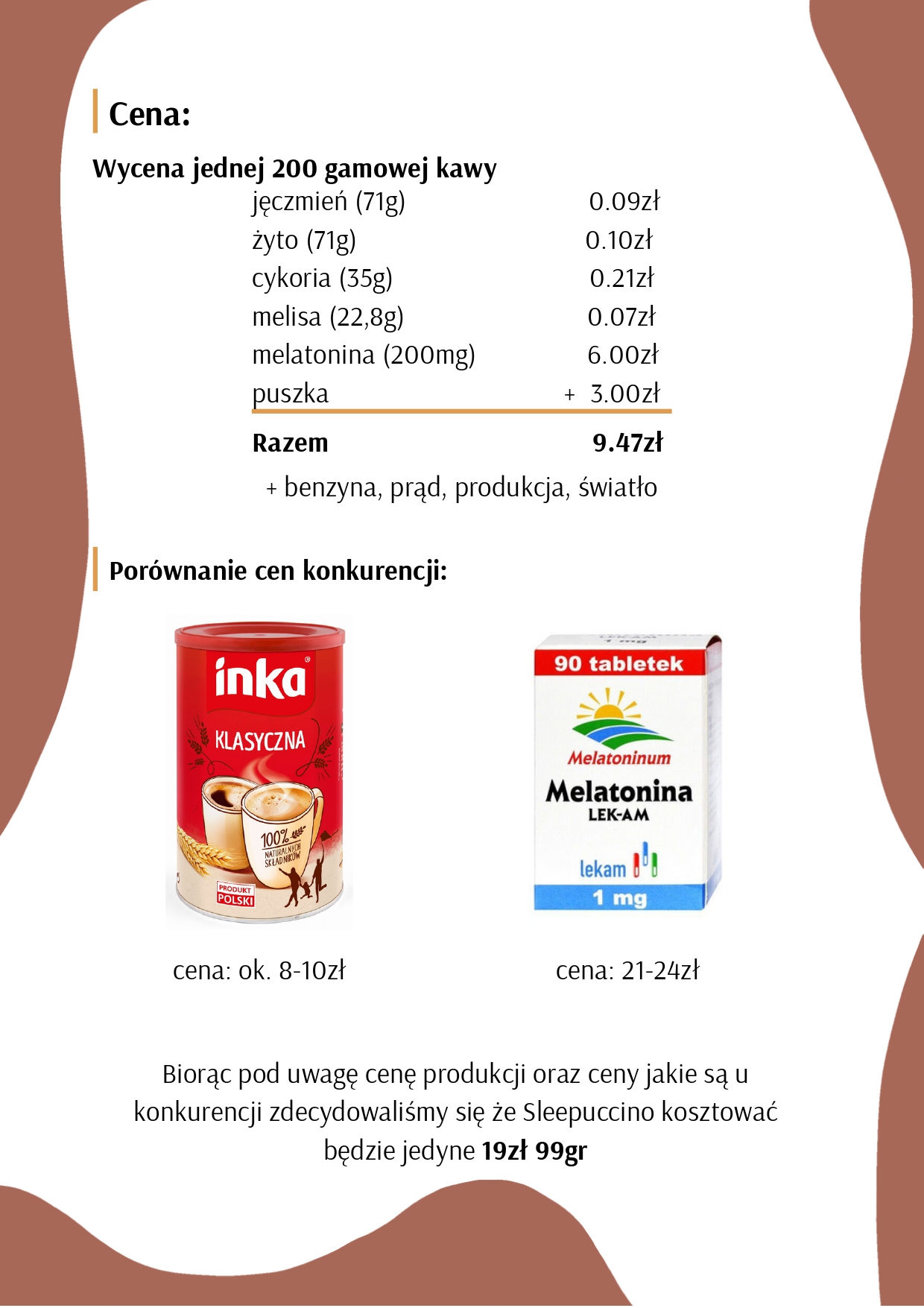
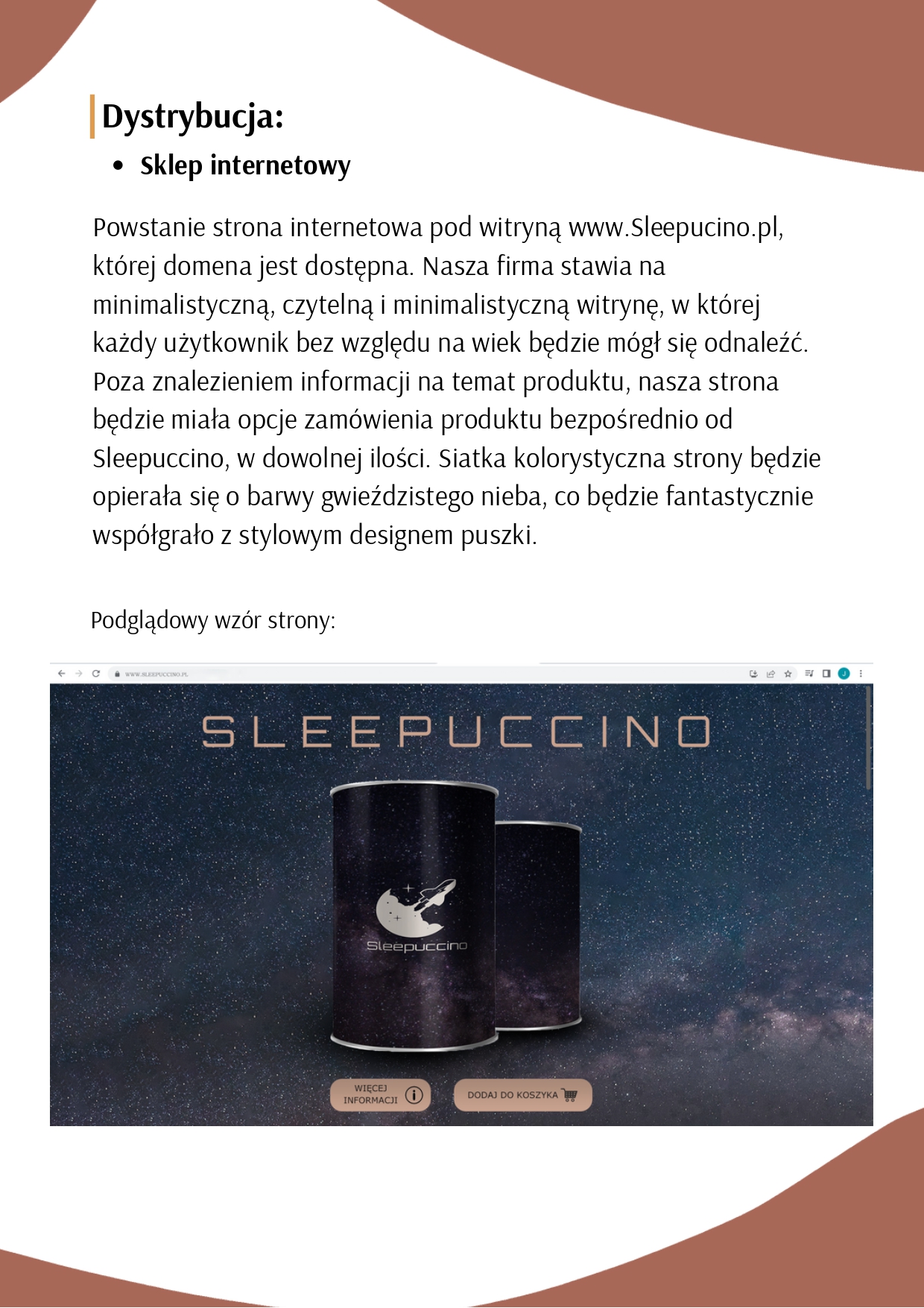
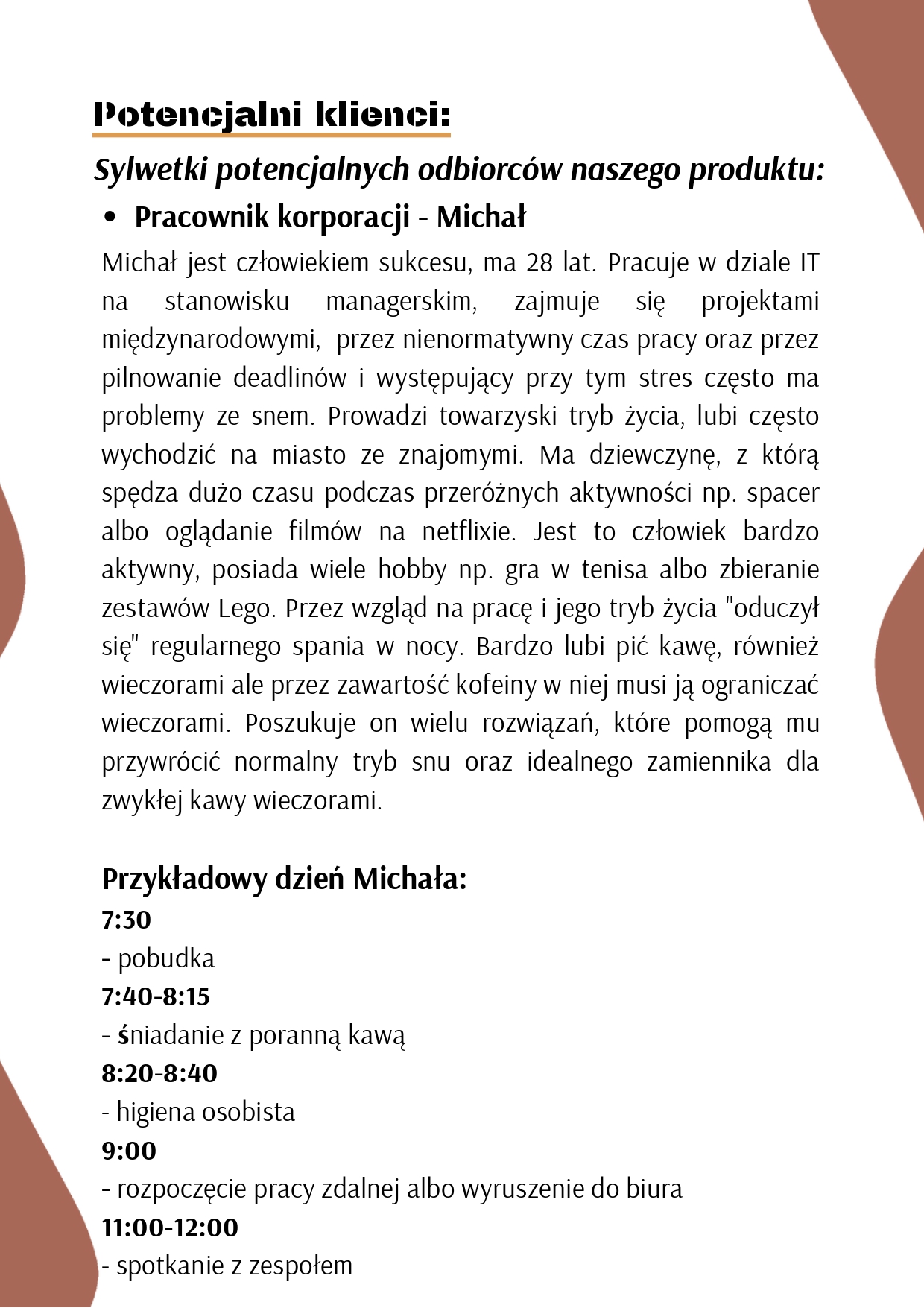
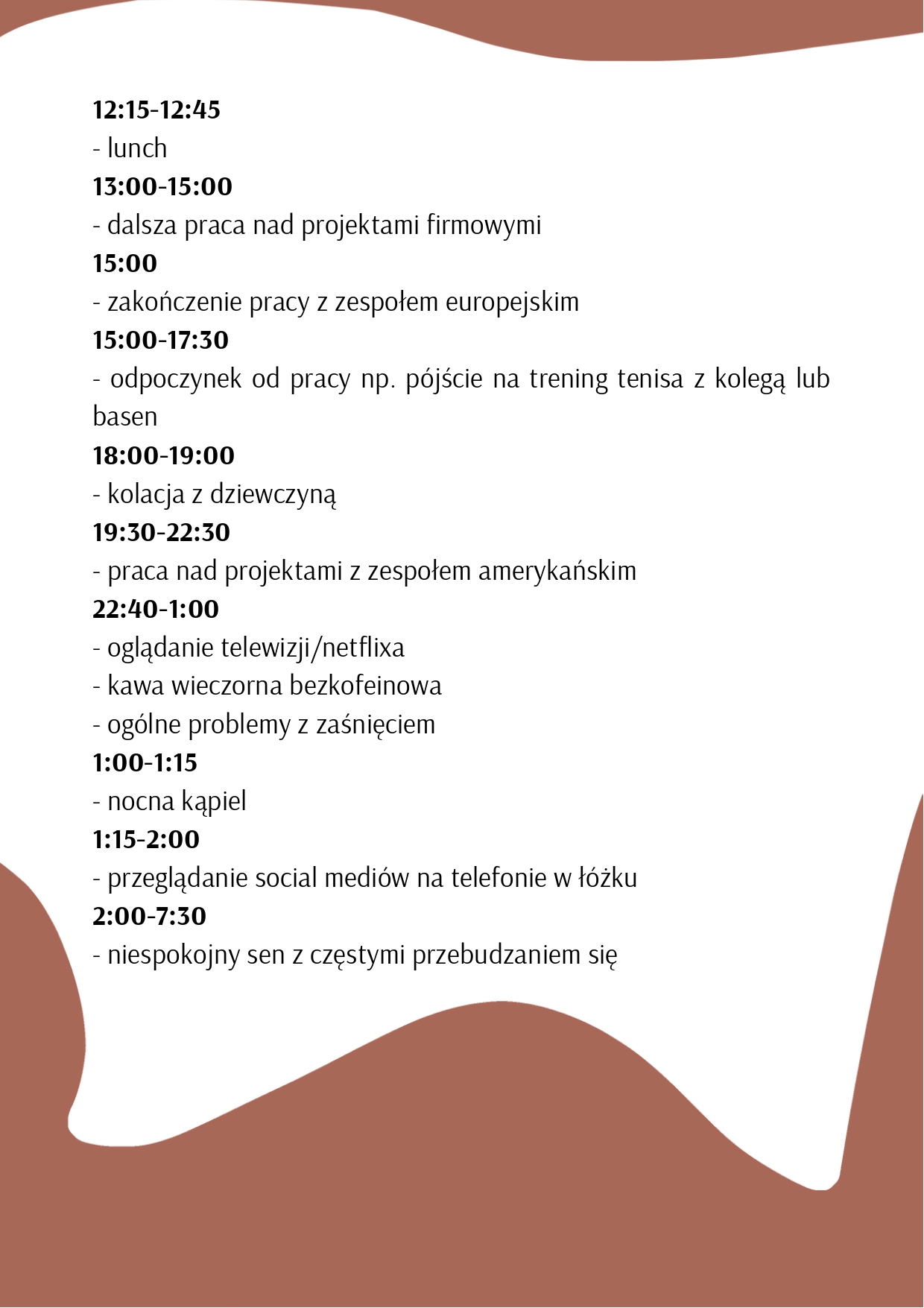
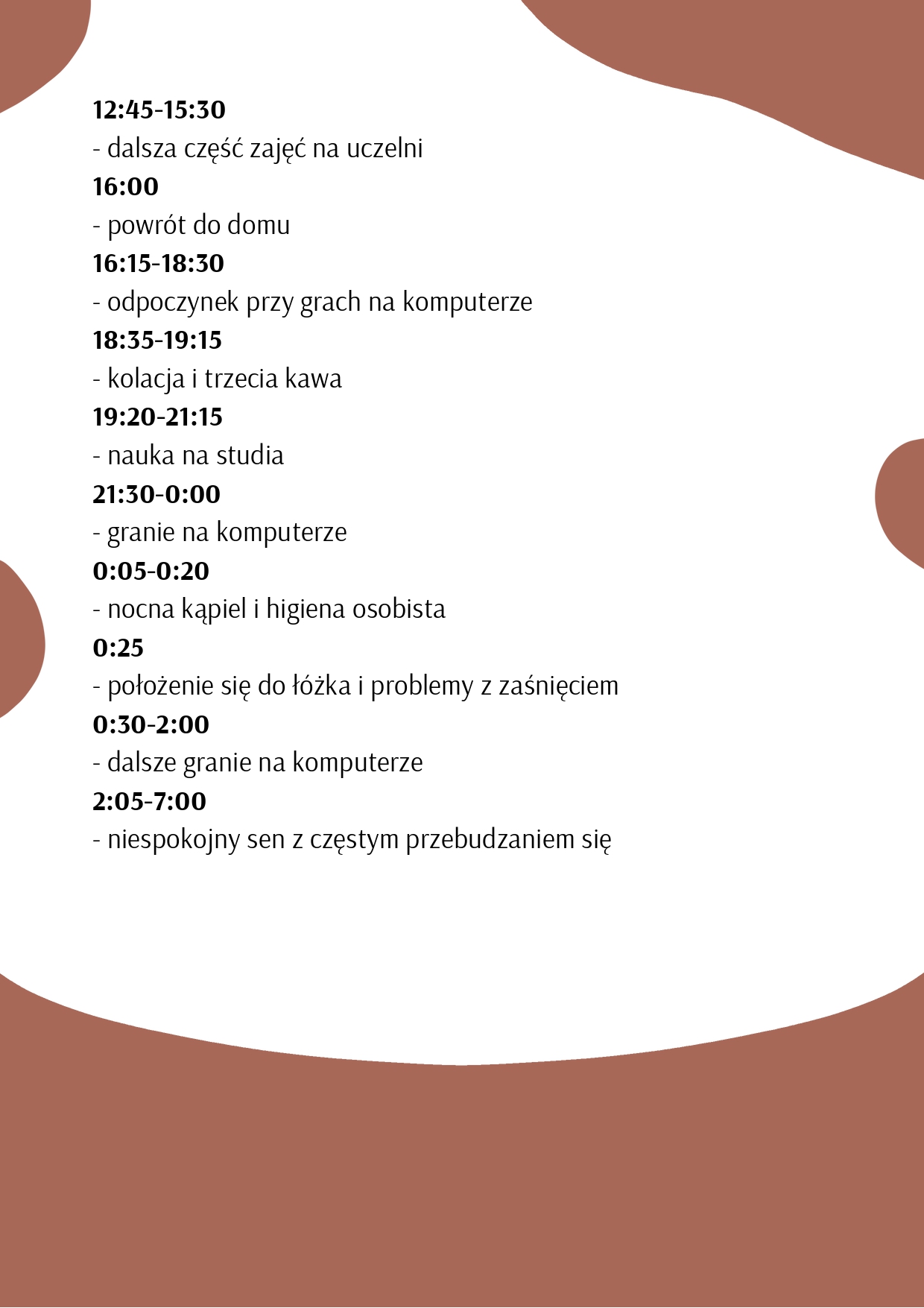
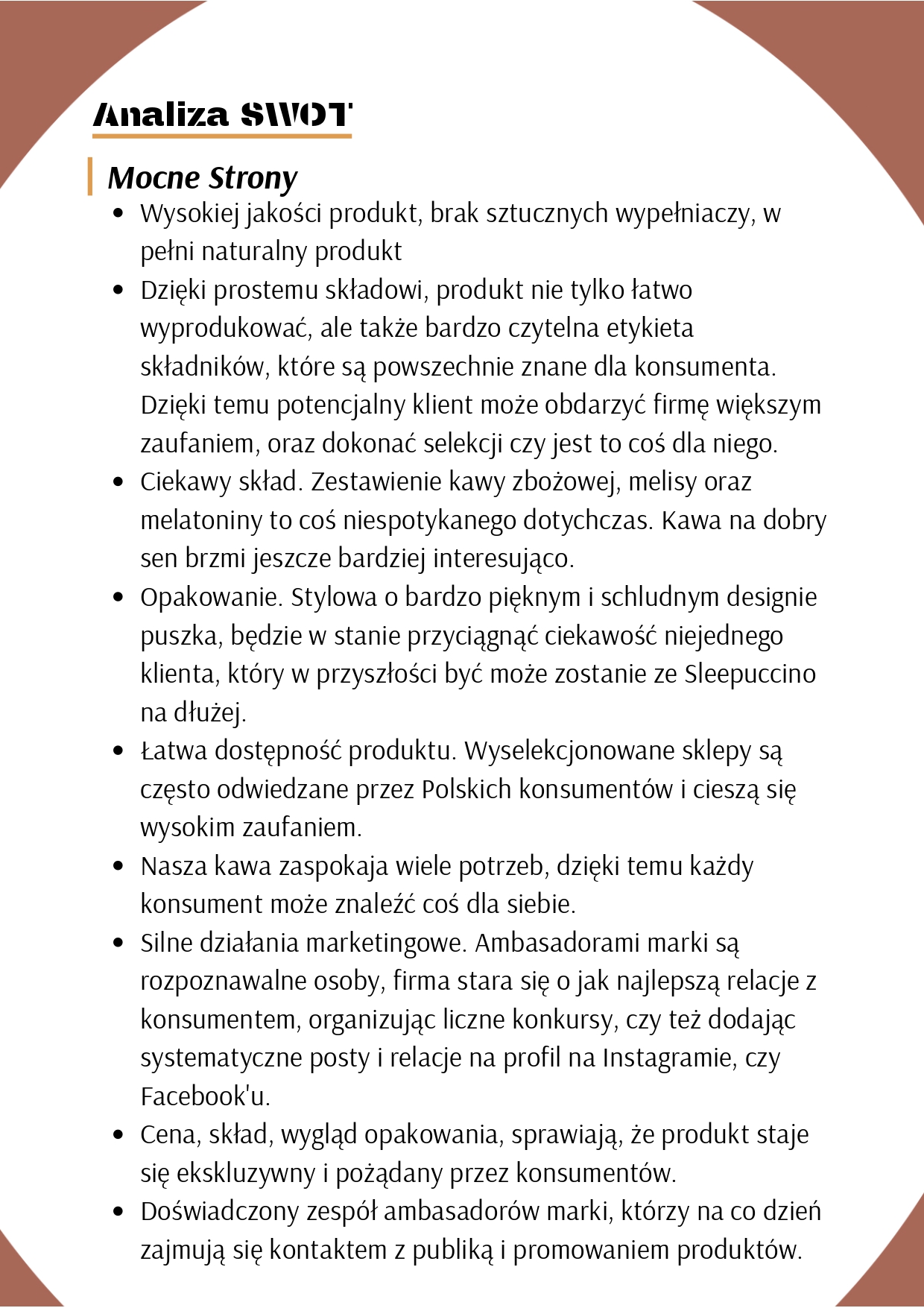
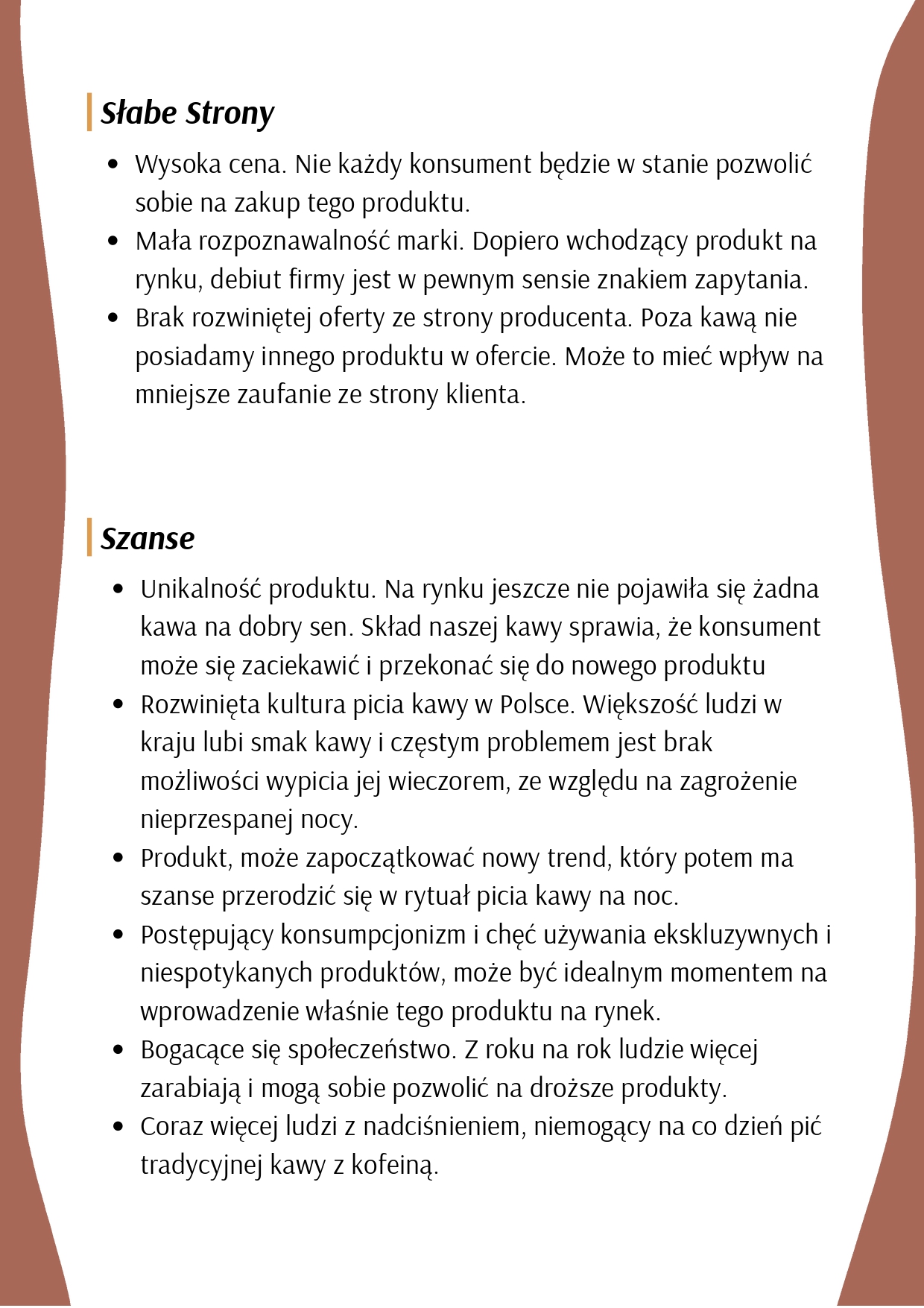
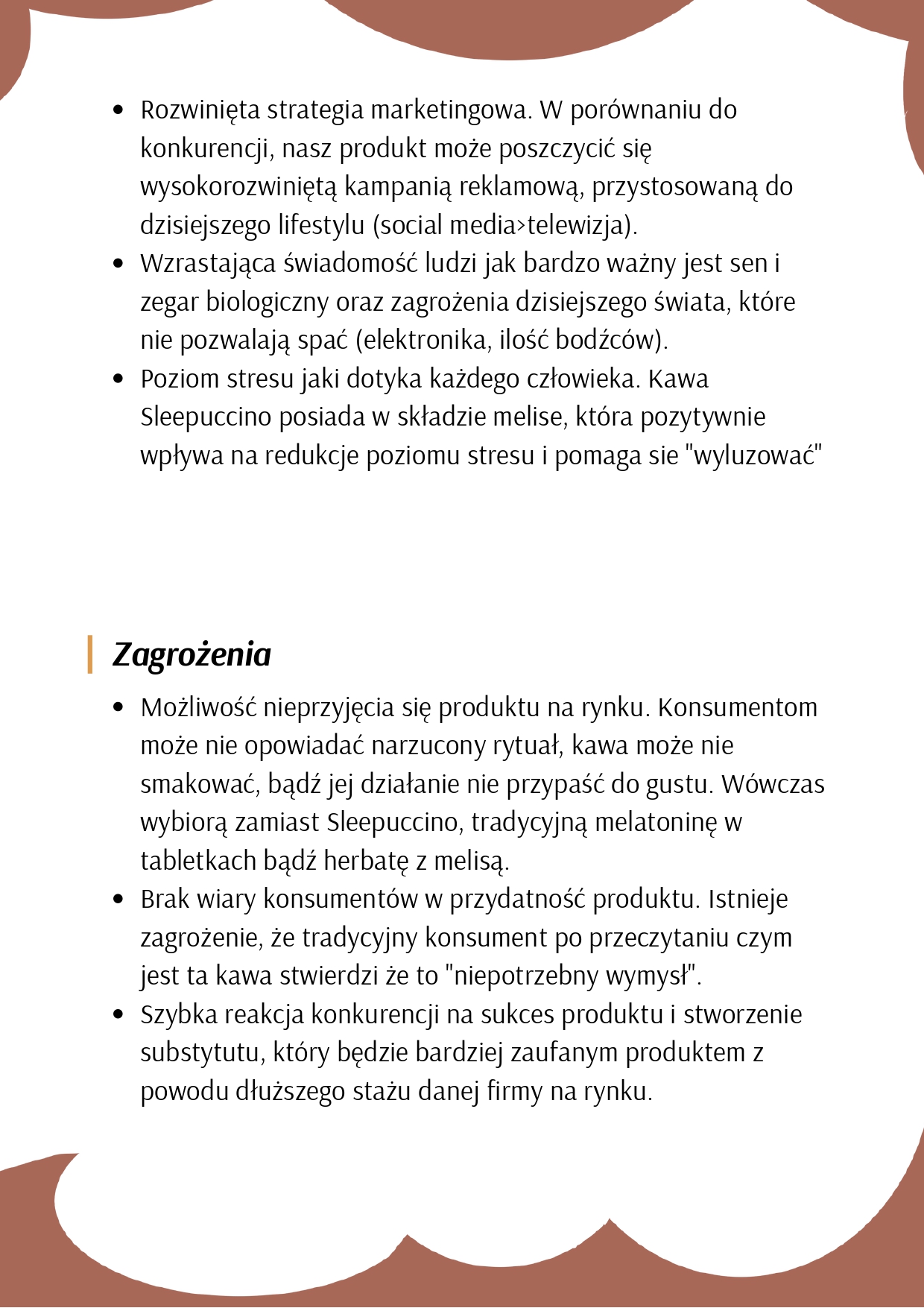
    The project involved creating the concept of an innovative product: a grain coffee with added melatonin (Sleepucino) that supports relaxation and makes falling asleep easier.

    Project scope:

  • Logo and packaging design
  • Defining the needs the product meets and working out its positioning
  • Marketing mix (4P: product, price, place, promotion)
  • Competitor analysis, SWOT and defining the target customer profile
  • Project documentation:
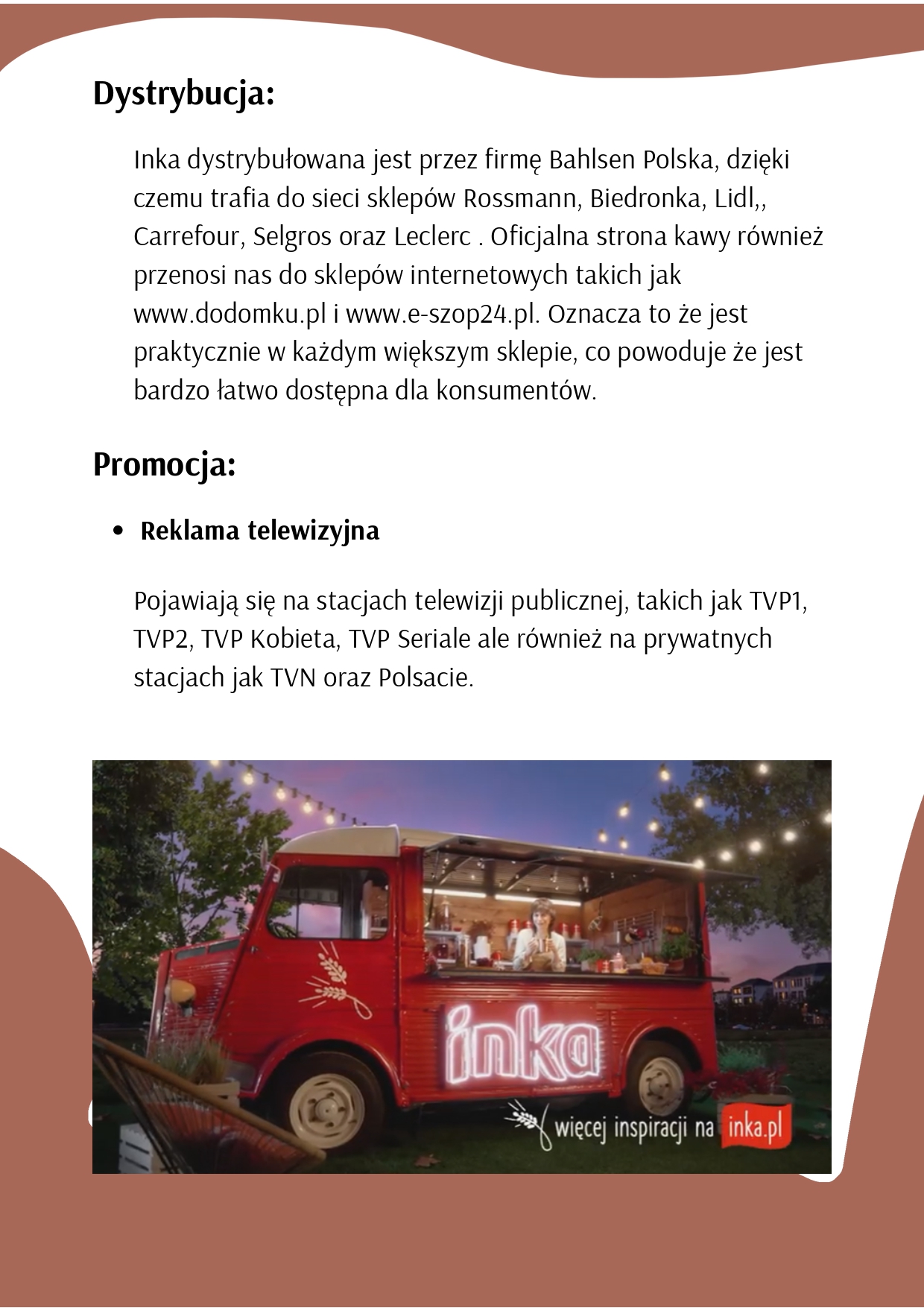
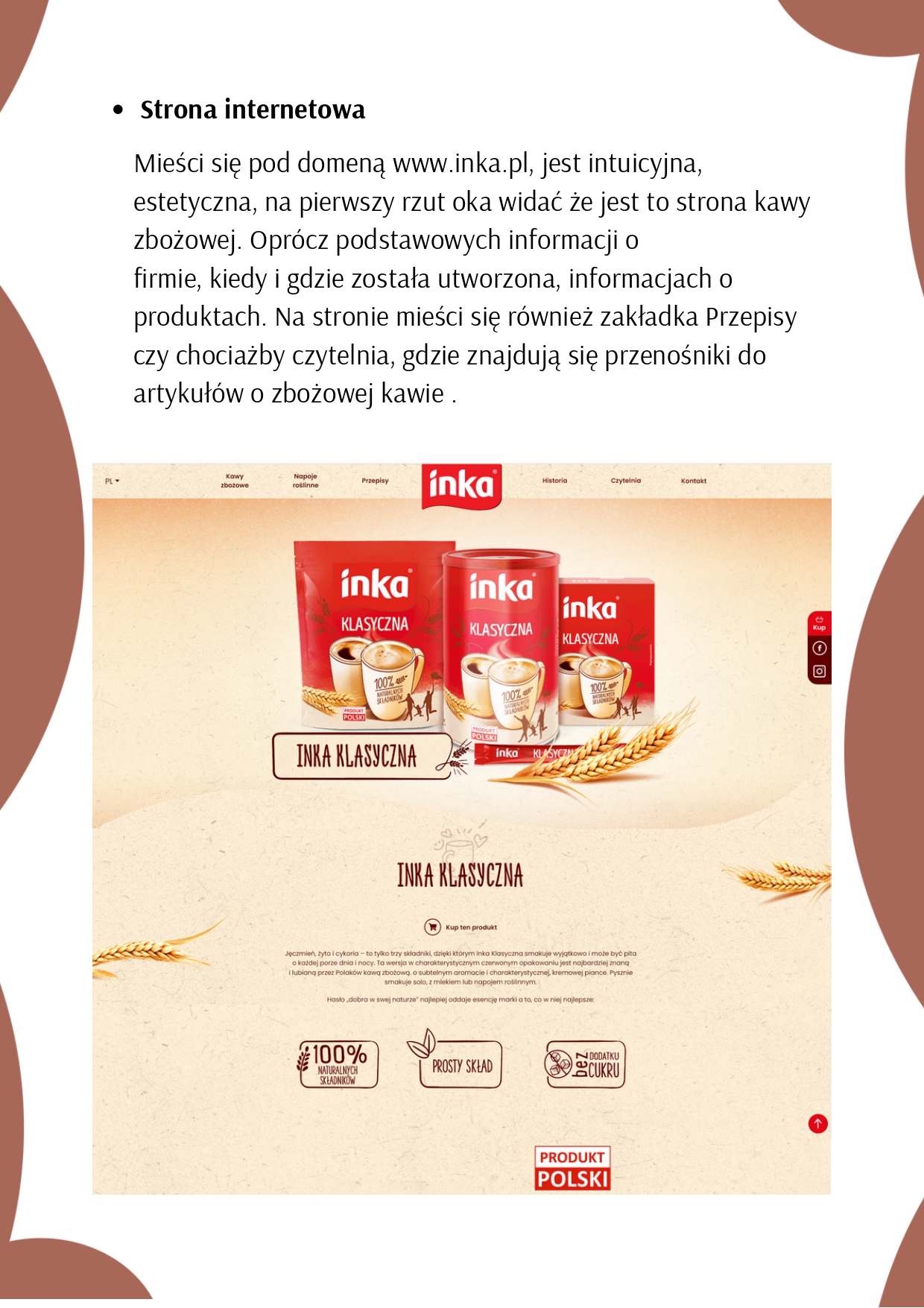
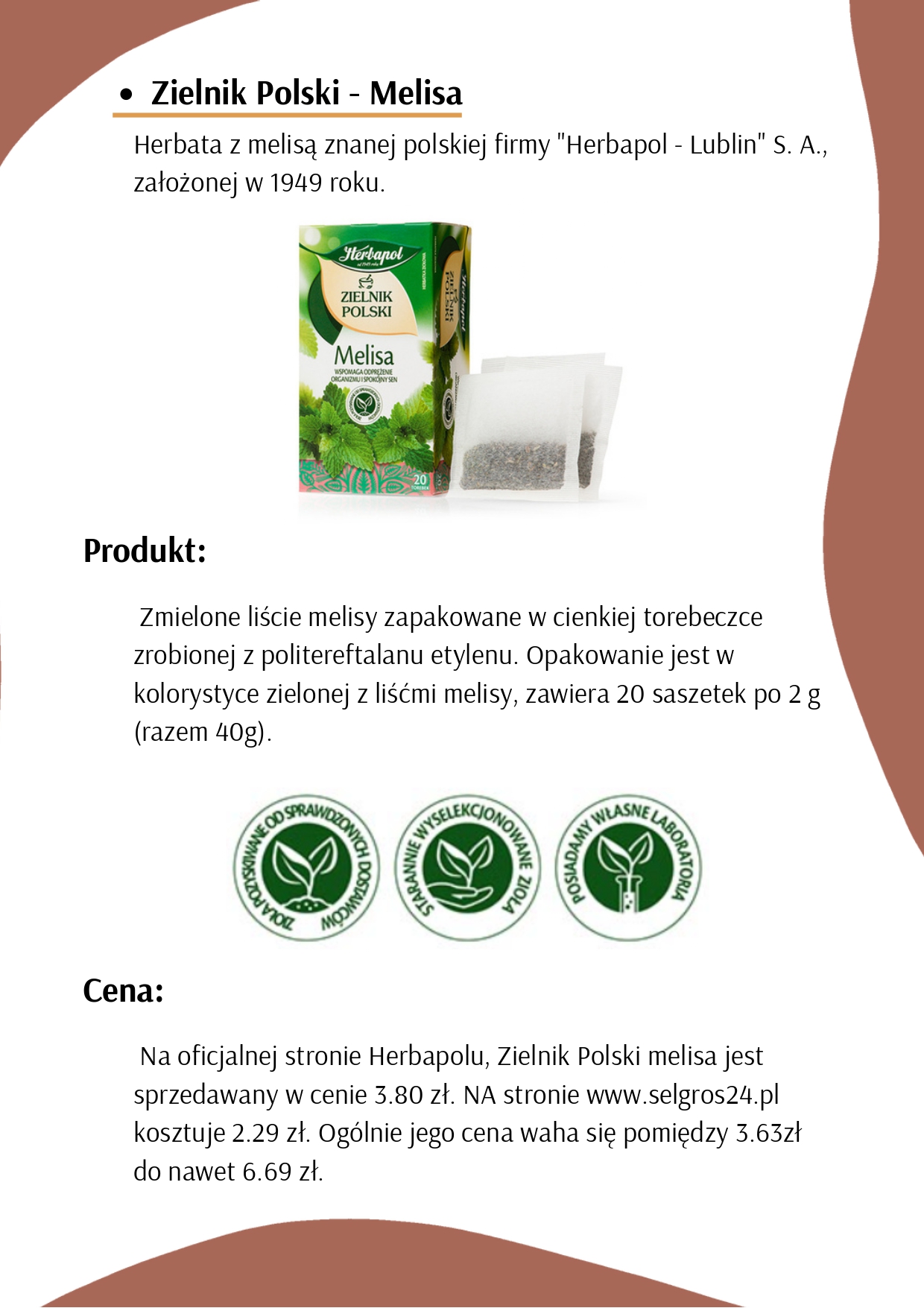
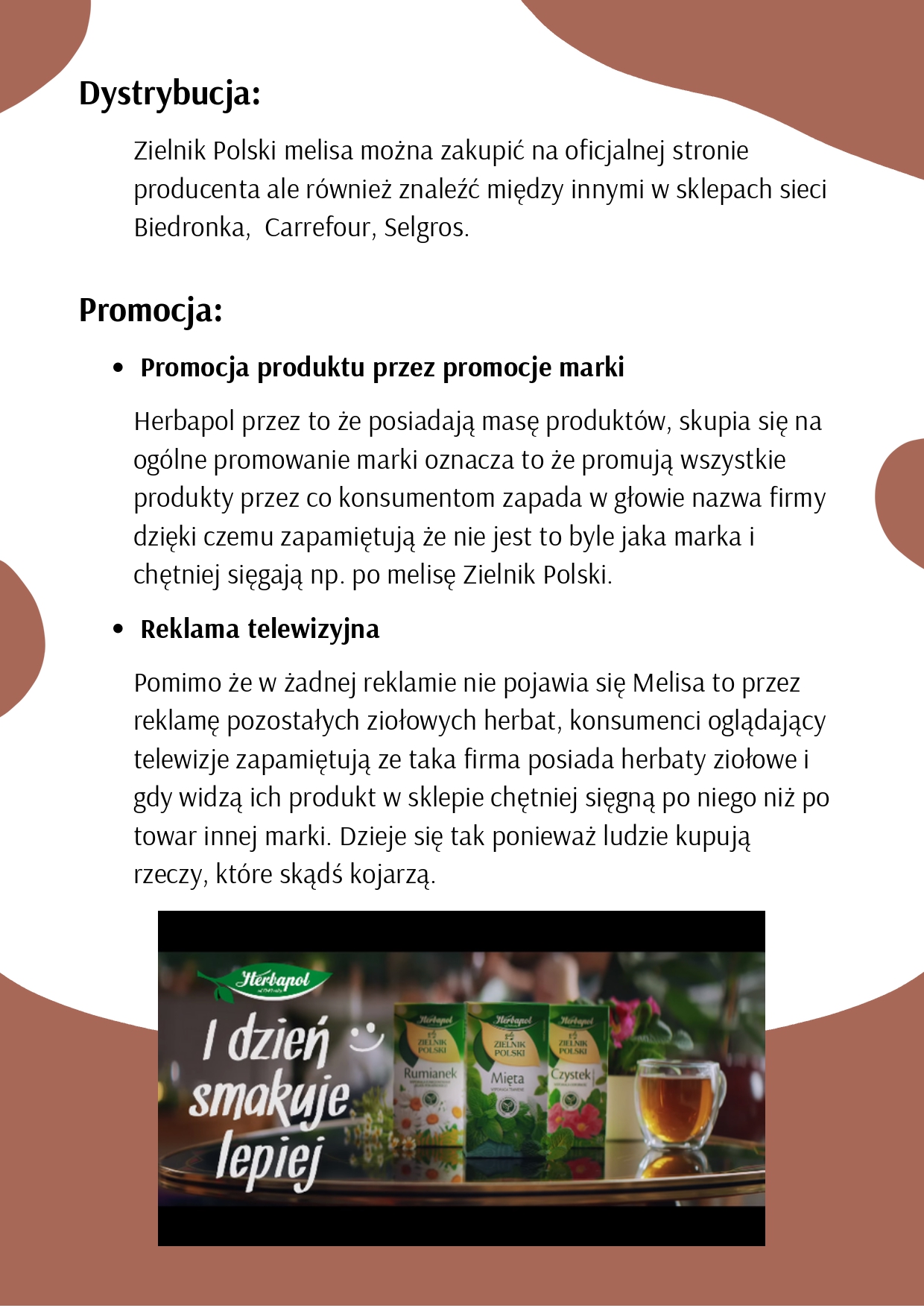
    Documentation of the Sleepuccino marketing project, page 1
    Documentation of the Sleepuccino marketing project, page 2
    Documentation of the Sleepuccino marketing project, page 3
    Documentation of the Sleepuccino marketing project, page 4
    Documentation of the Sleepuccino marketing project, page 5
    Documentation of the Sleepuccino marketing project, page 6
    Documentation of the Sleepuccino marketing project, page 7
    Documentation of the Sleepuccino marketing project, page 8
    Documentation of the Sleepuccino marketing project, page 9
    Documentation of the Sleepuccino marketing project, page 10
    Documentation of the Sleepuccino marketing project, page 11
    Documentation of the Sleepuccino marketing project, page 12
    Documentation of the Sleepuccino marketing project, page 13
    Documentation of the Sleepuccino marketing project, page 14
    Documentation of the Sleepuccino marketing project, page 15
    Documentation of the Sleepuccino marketing project, page 16
    Documentation of the Sleepuccino marketing project, page 17
    Documentation of the Sleepuccino marketing project, page 18
    Documentation of the Sleepuccino marketing project, page 19
    Documentation of the Sleepuccino marketing project, page 20
    Documentation of the Sleepuccino marketing project, page 21
    Documentation of the Sleepuccino marketing project, page 22
    Documentation of the Sleepuccino marketing project, page 23
    Documentation of the Sleepuccino marketing project, page 24
    Documentation of the Sleepuccino marketing project, page 25
    Documentation of the Sleepuccino marketing project, page 26
    Documentation of the Sleepuccino marketing project, page 27
    Documentation of the Sleepuccino marketing project, page 28
    Documentation of the Sleepuccino marketing project, page 29
    Documentation of the Sleepuccino marketing project, page 30
    Documentation of the Sleepuccino marketing project, page 31
    Documentation of the Sleepuccino marketing project, page 32
    Documentation of the Sleepuccino marketing project, page 33

    Multimedia technologies

    The project involved collecting the work from the whole semester and building a graphic design portfolio using Mobirise.

    Tasks included in the portfolio

  • Combining two photographs of the same place, one archival and one contemporary, to show how the space has changed, using Adobe Photoshop.
  • Designing a film poster in Adobe Photoshop.
  • Editing horror scenes in Adobe Premiere Pro from the supplied audiovisual material.
  • Building a creative object in MagicaVoxel, in my case an unusual high-rise.
  • Taking the object from task 4 into augmented reality as a visual interaction, using the ZapWorks platform.
  • Link to the project:

    IT system implementation concept

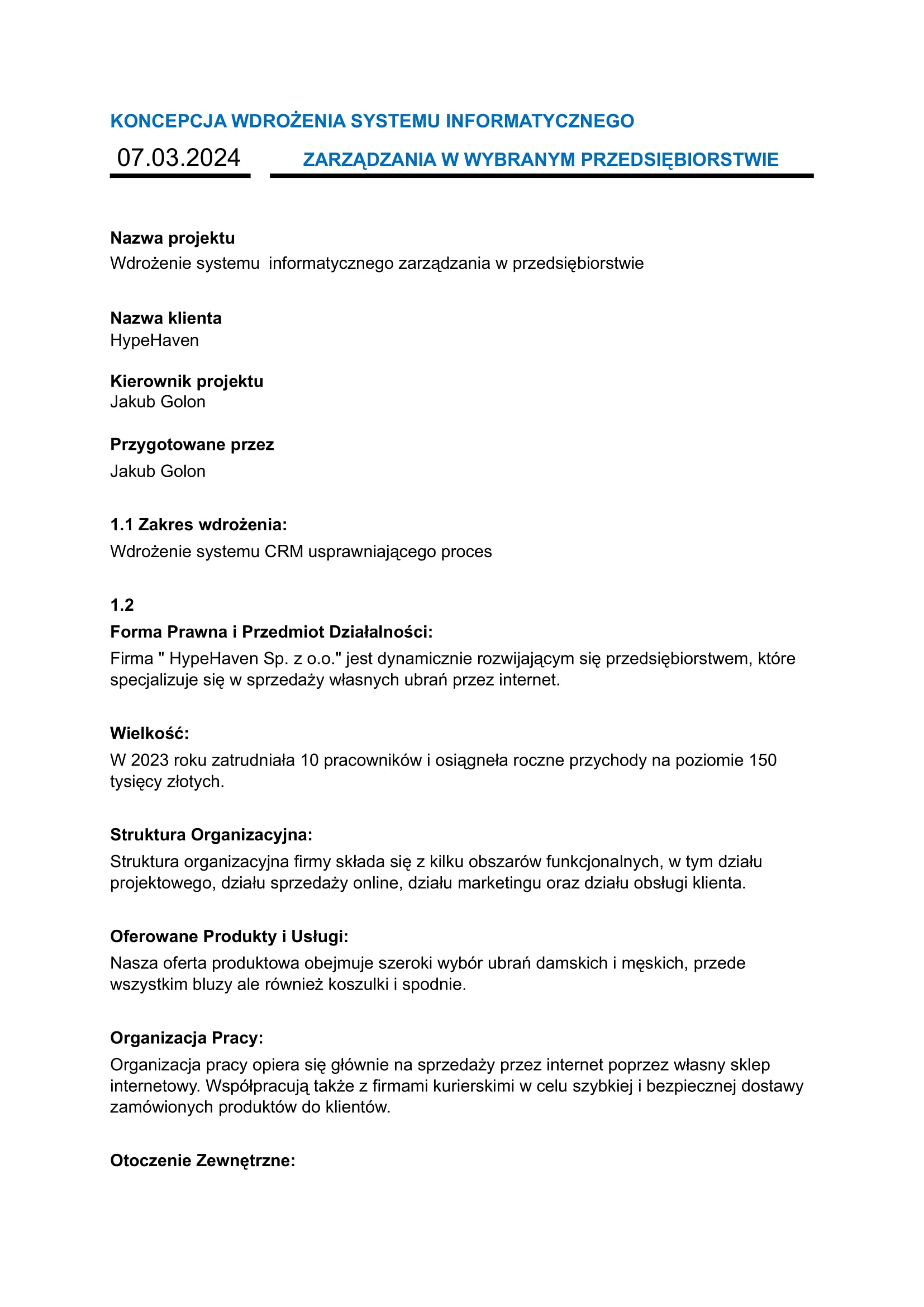
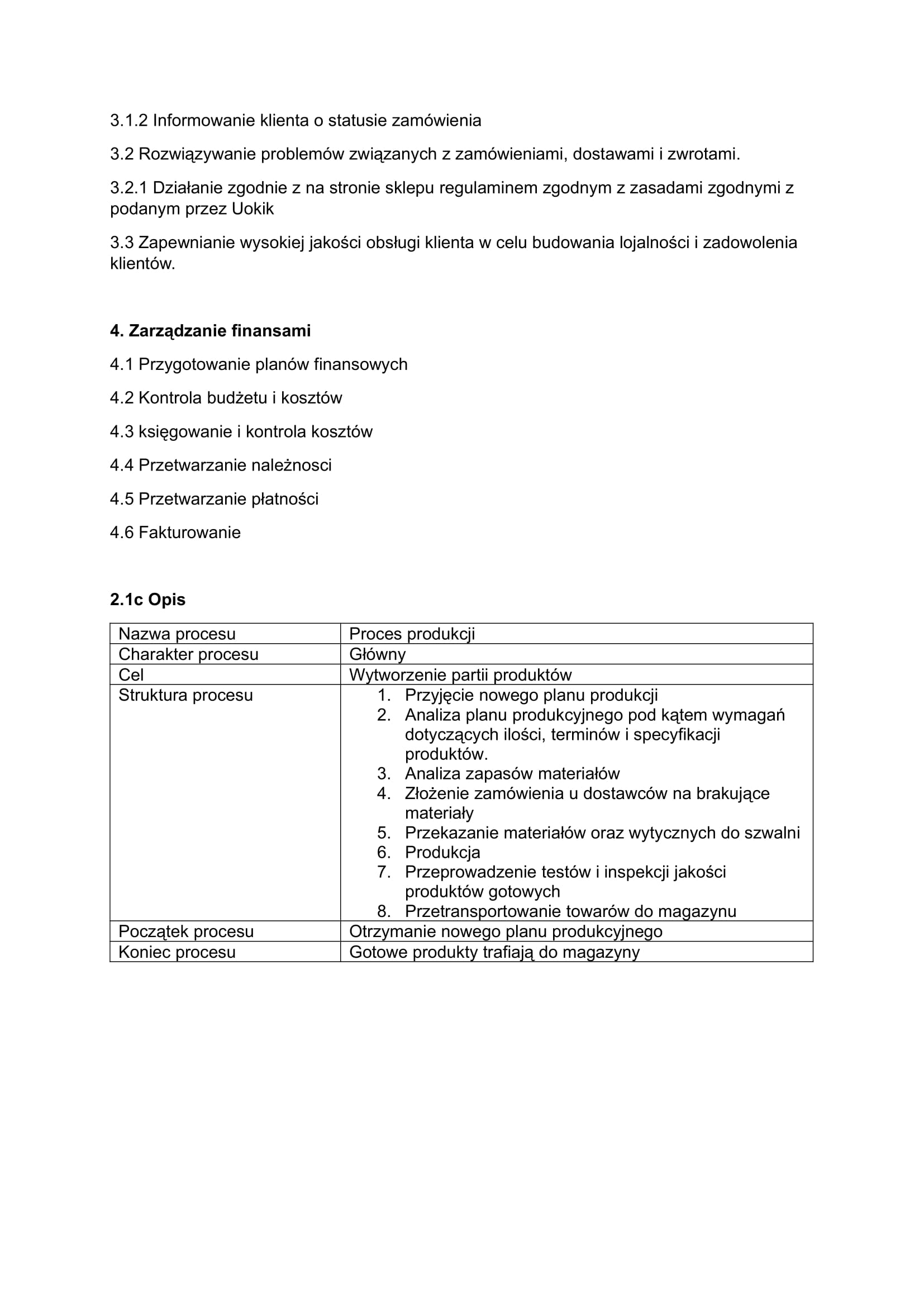
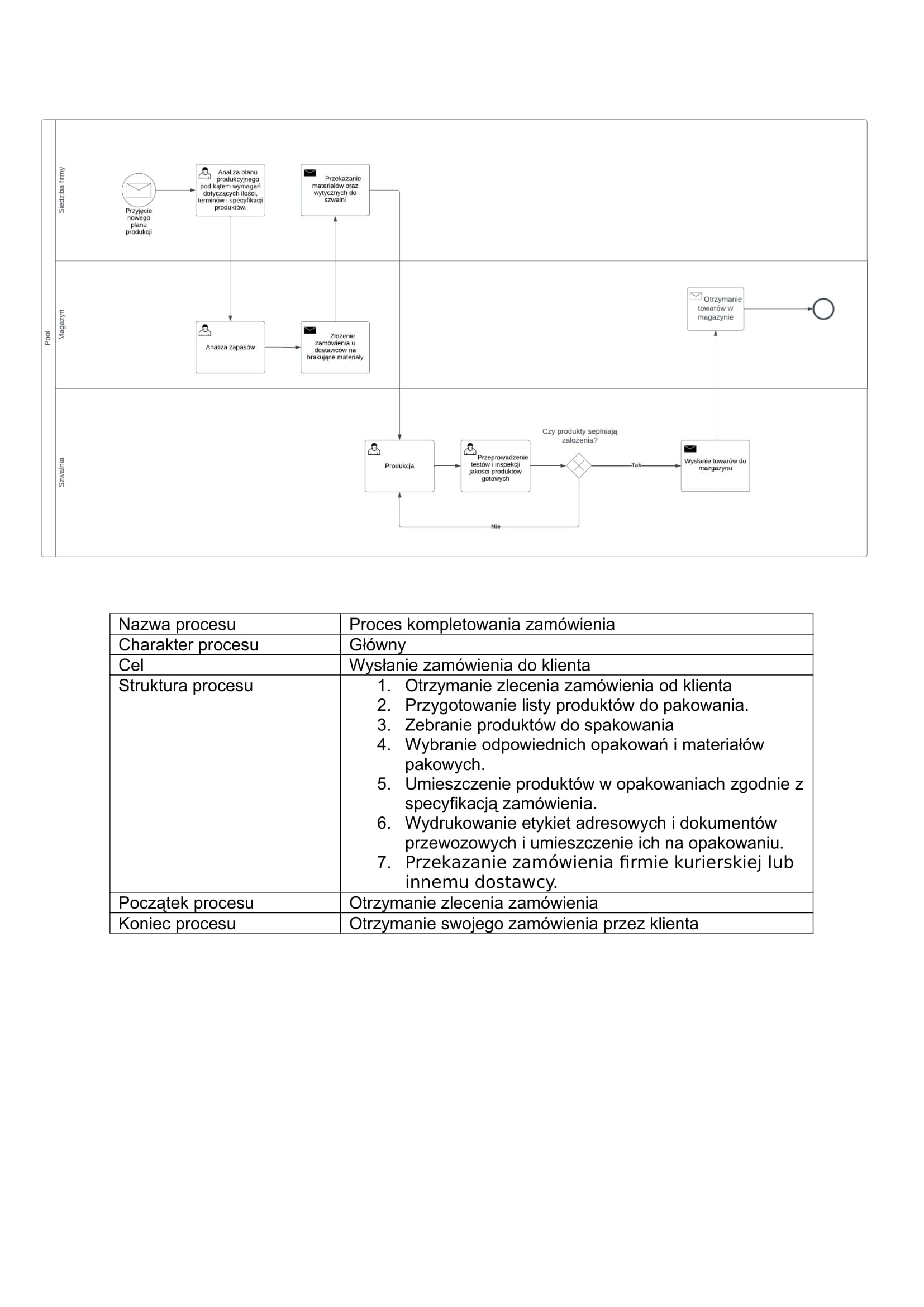
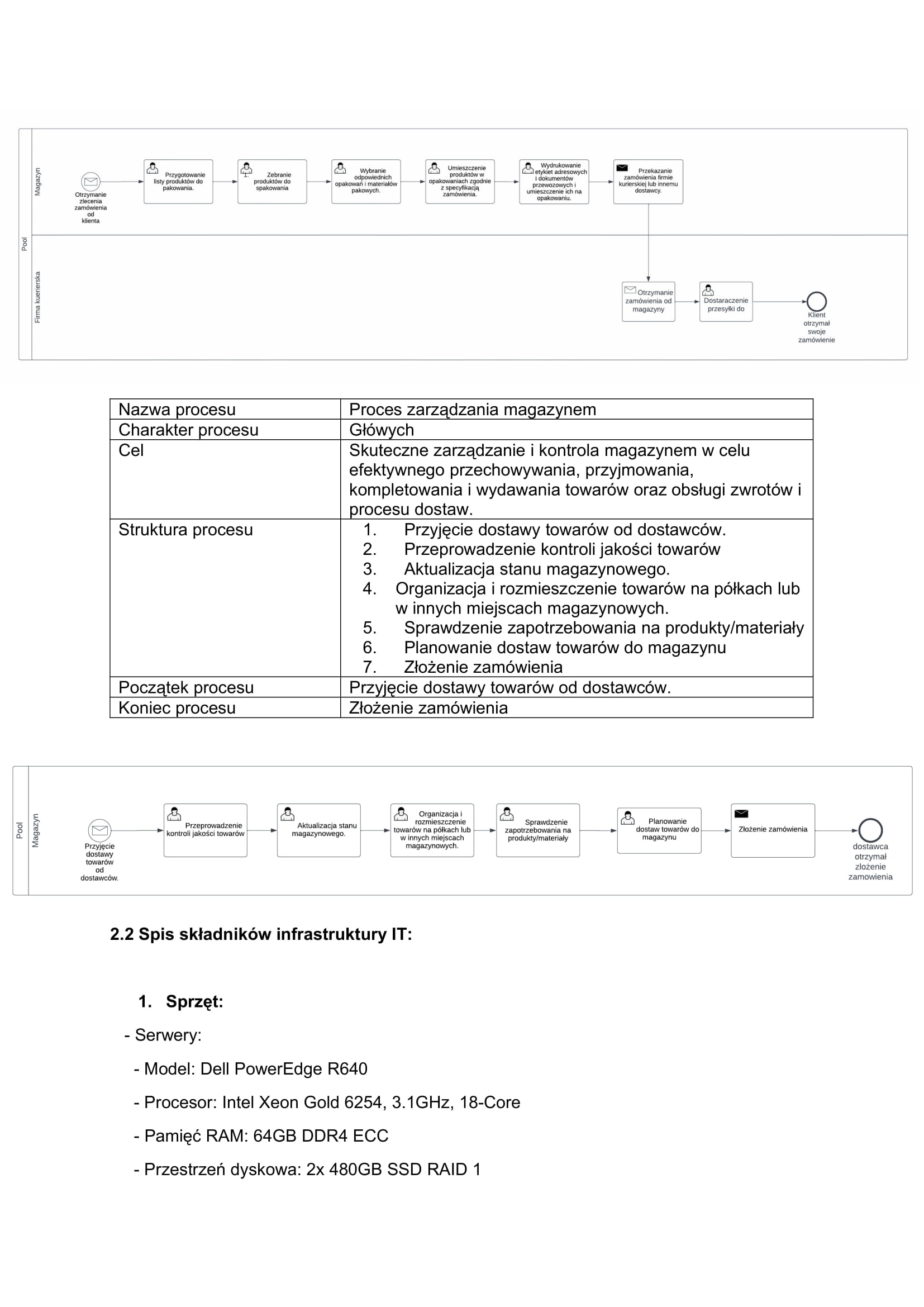
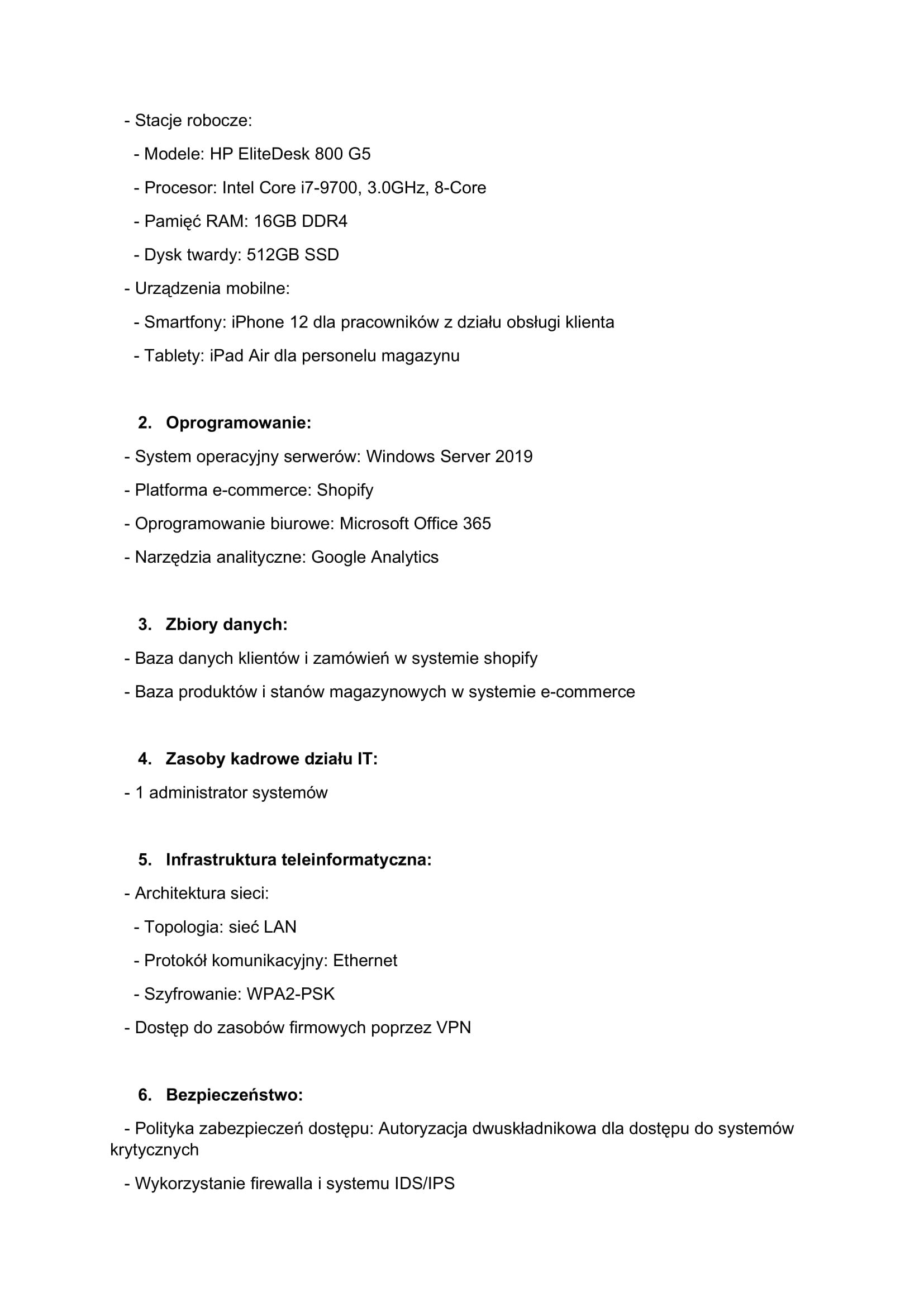
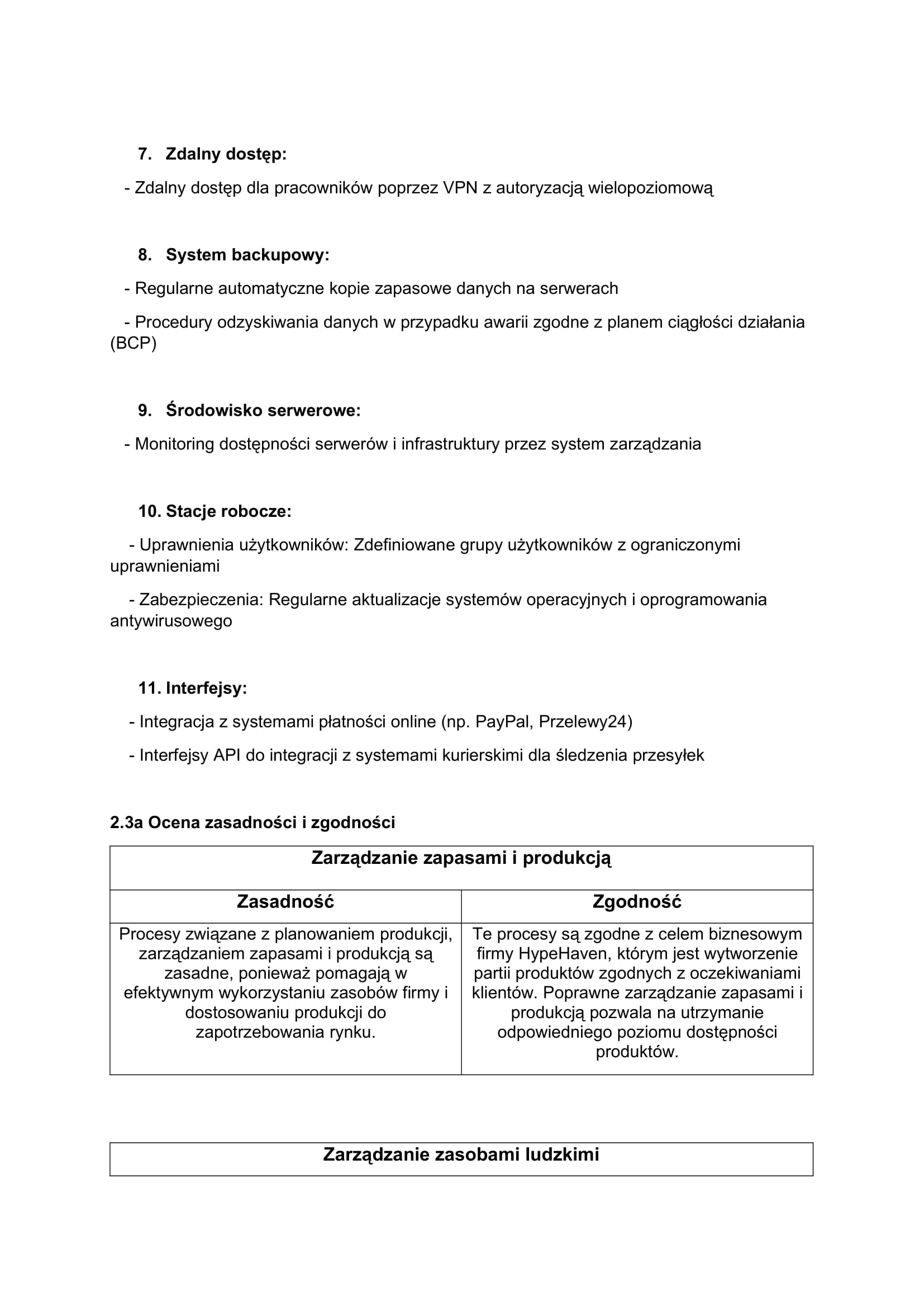
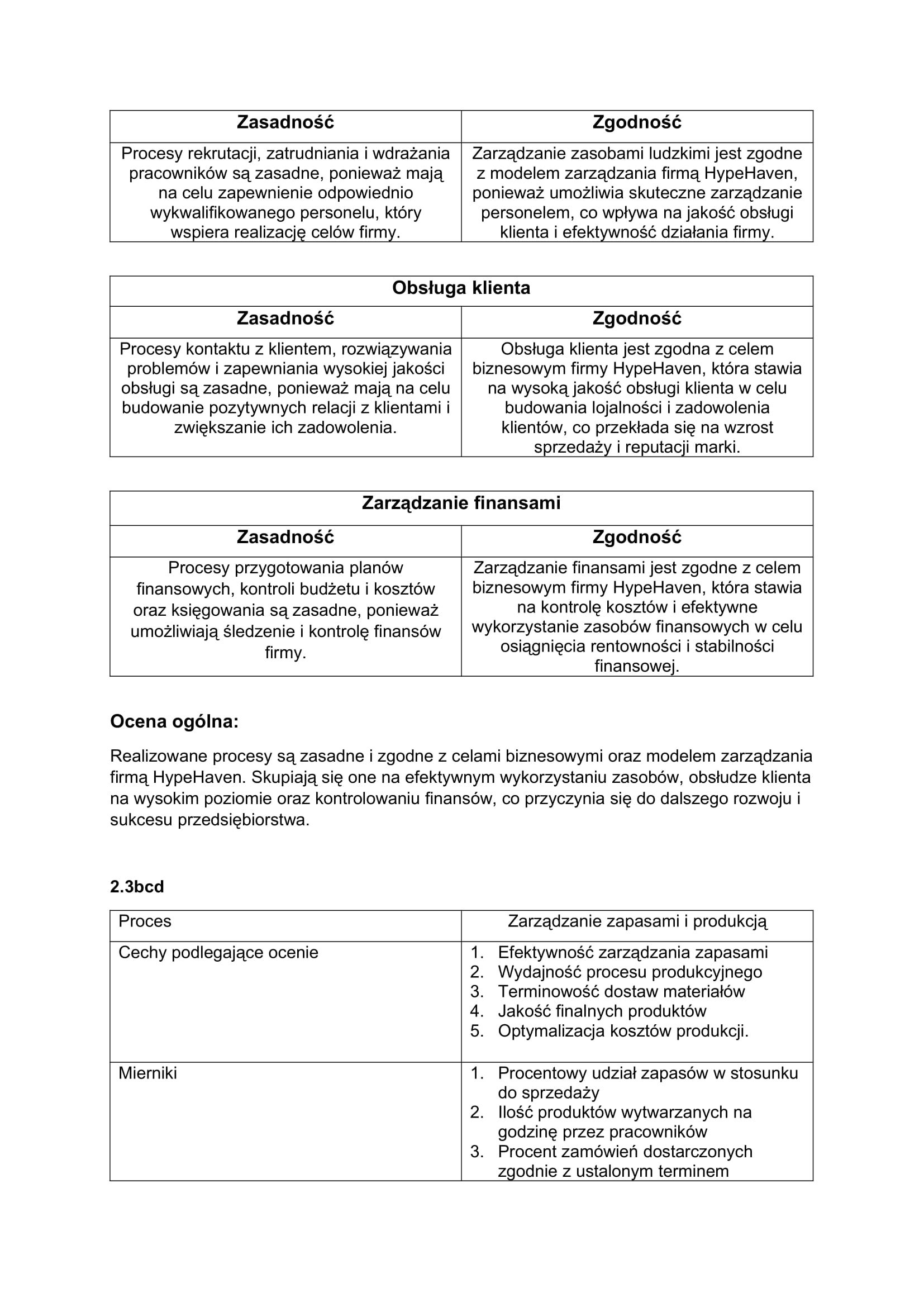
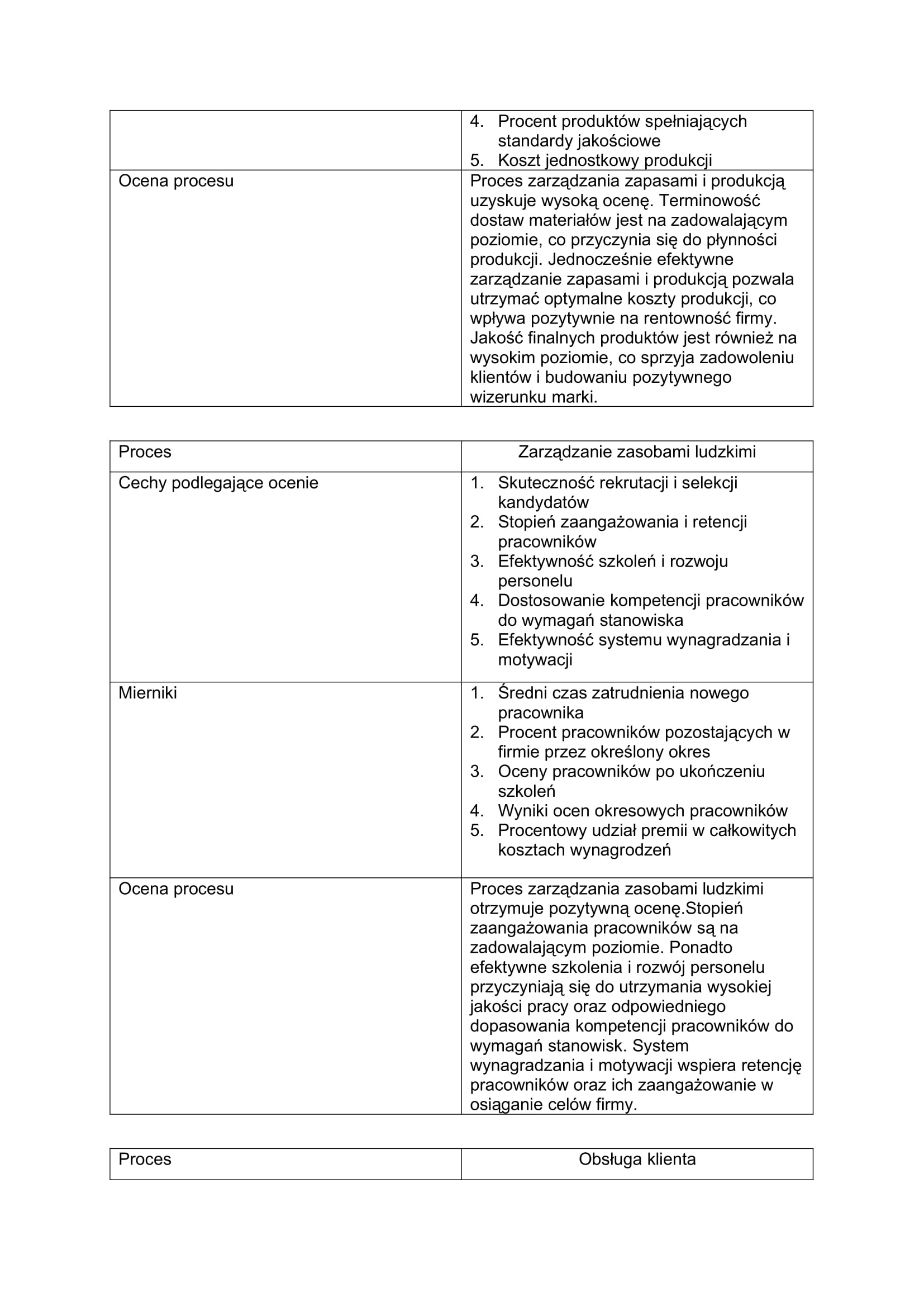
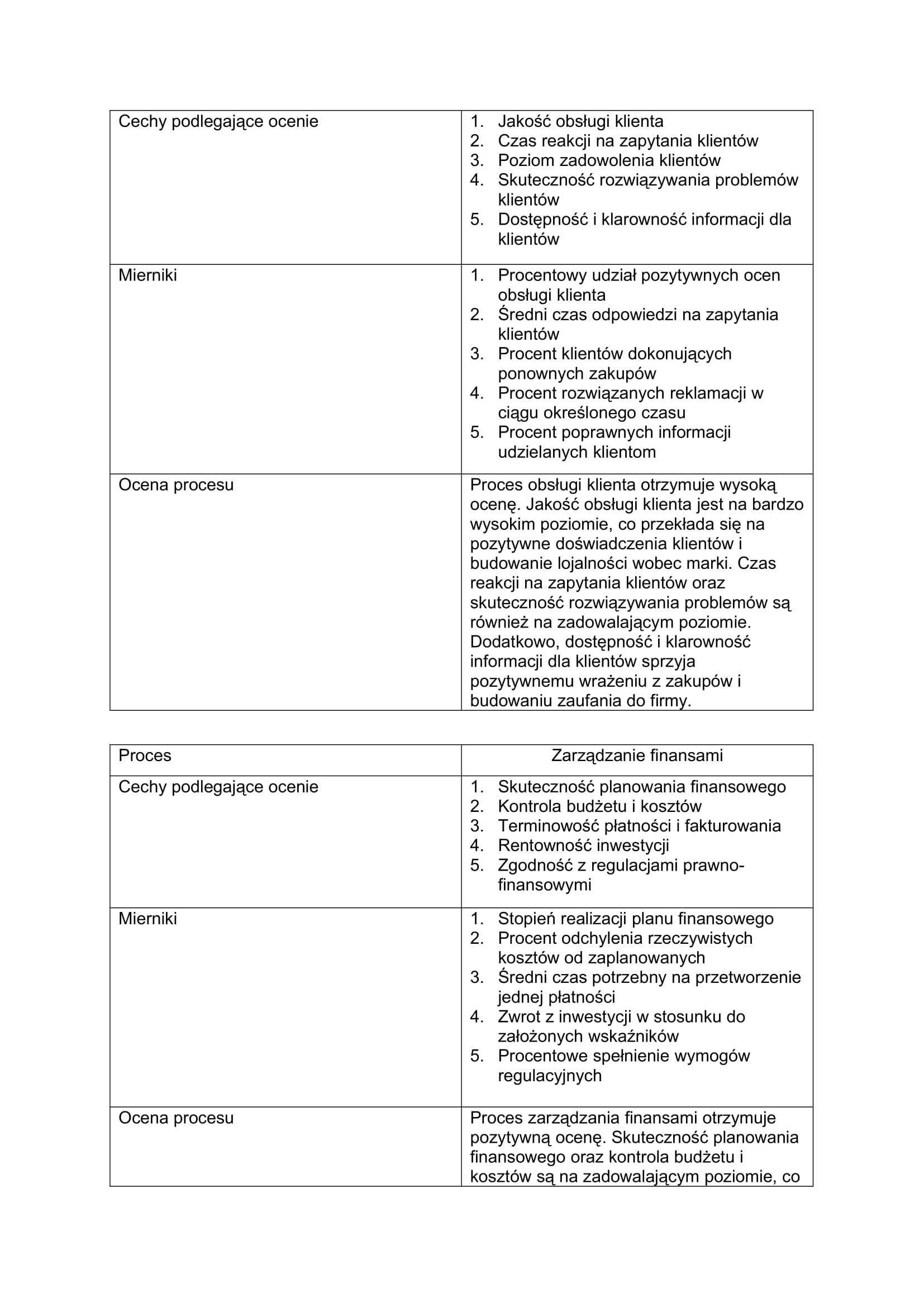
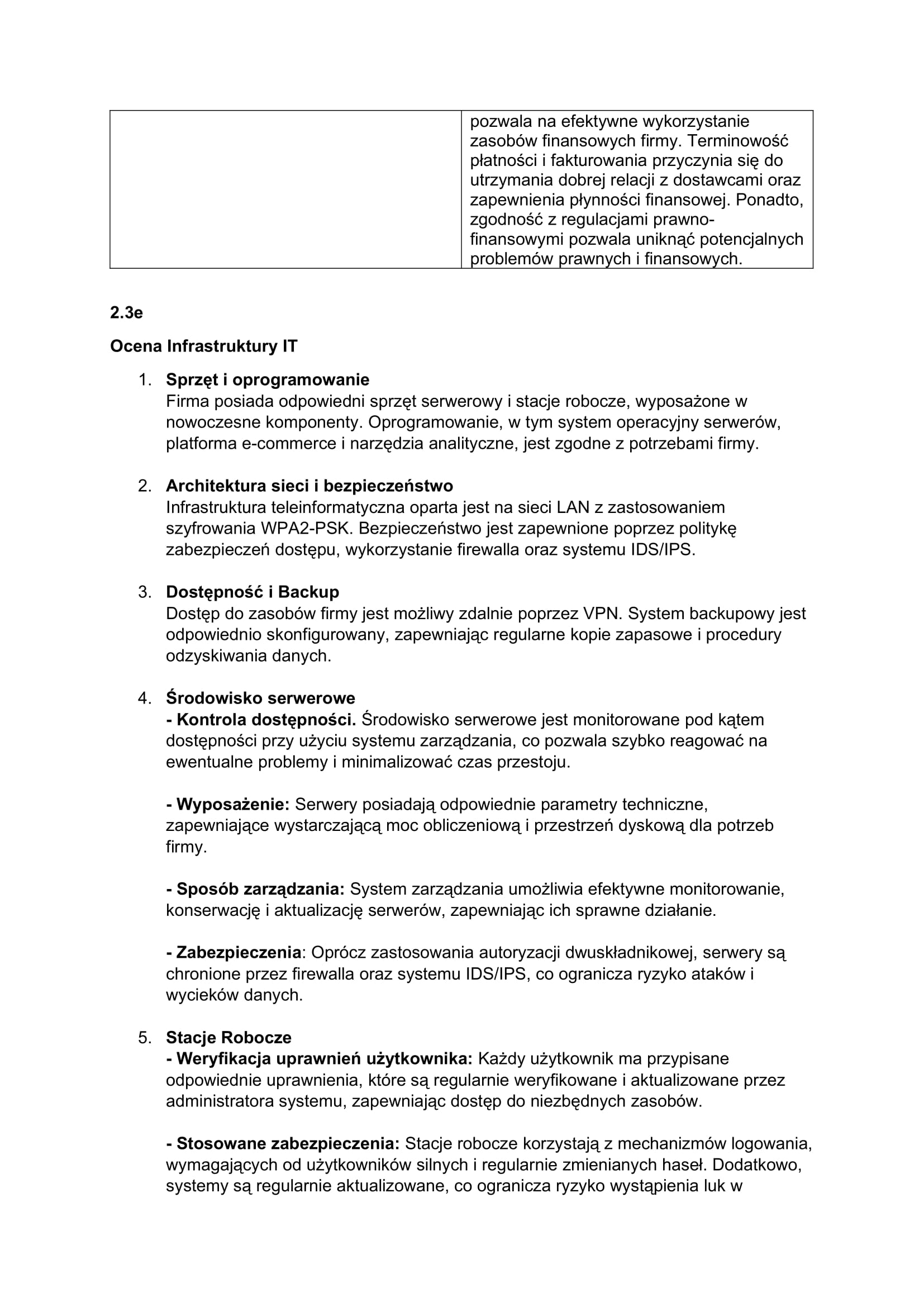
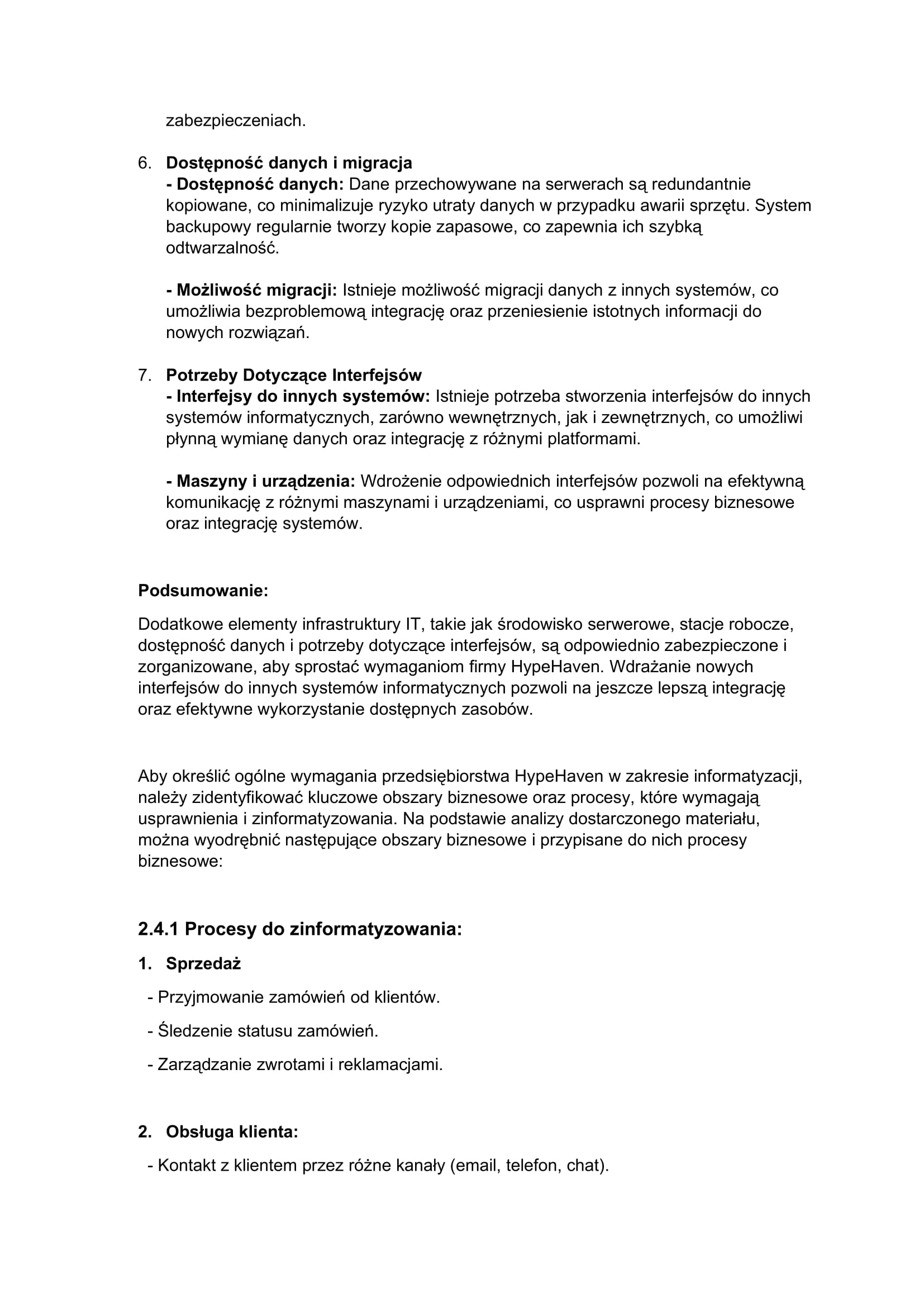
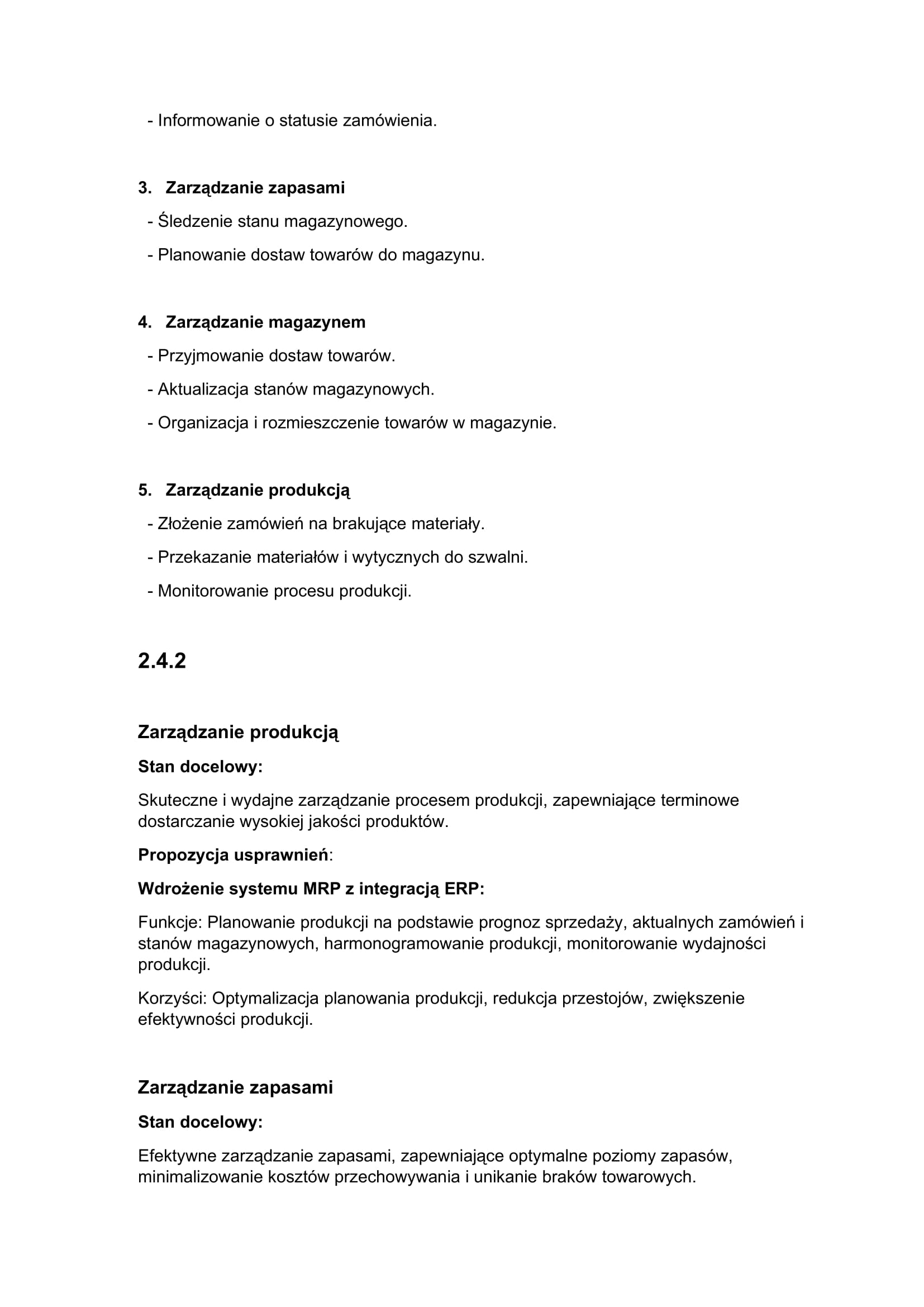
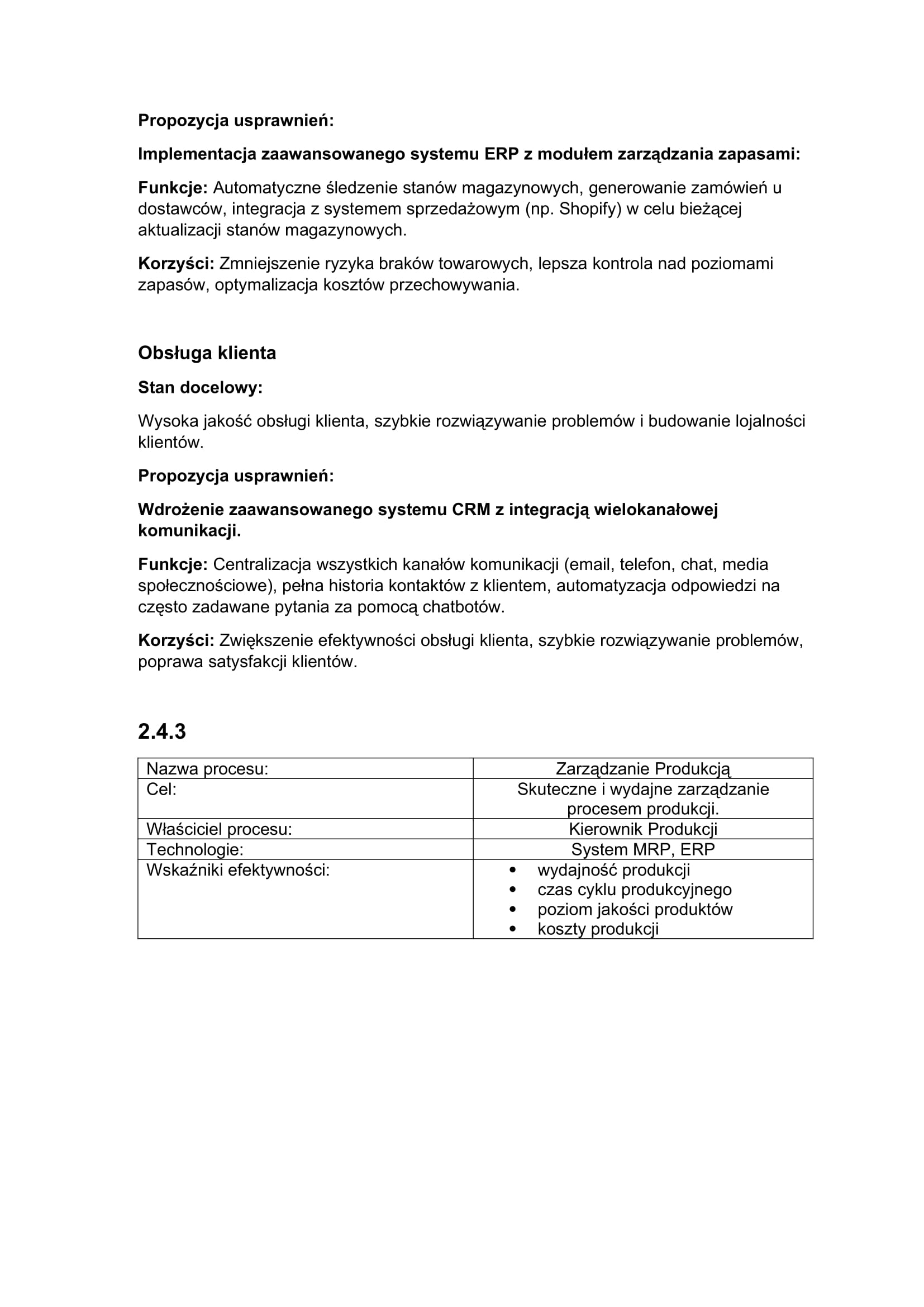
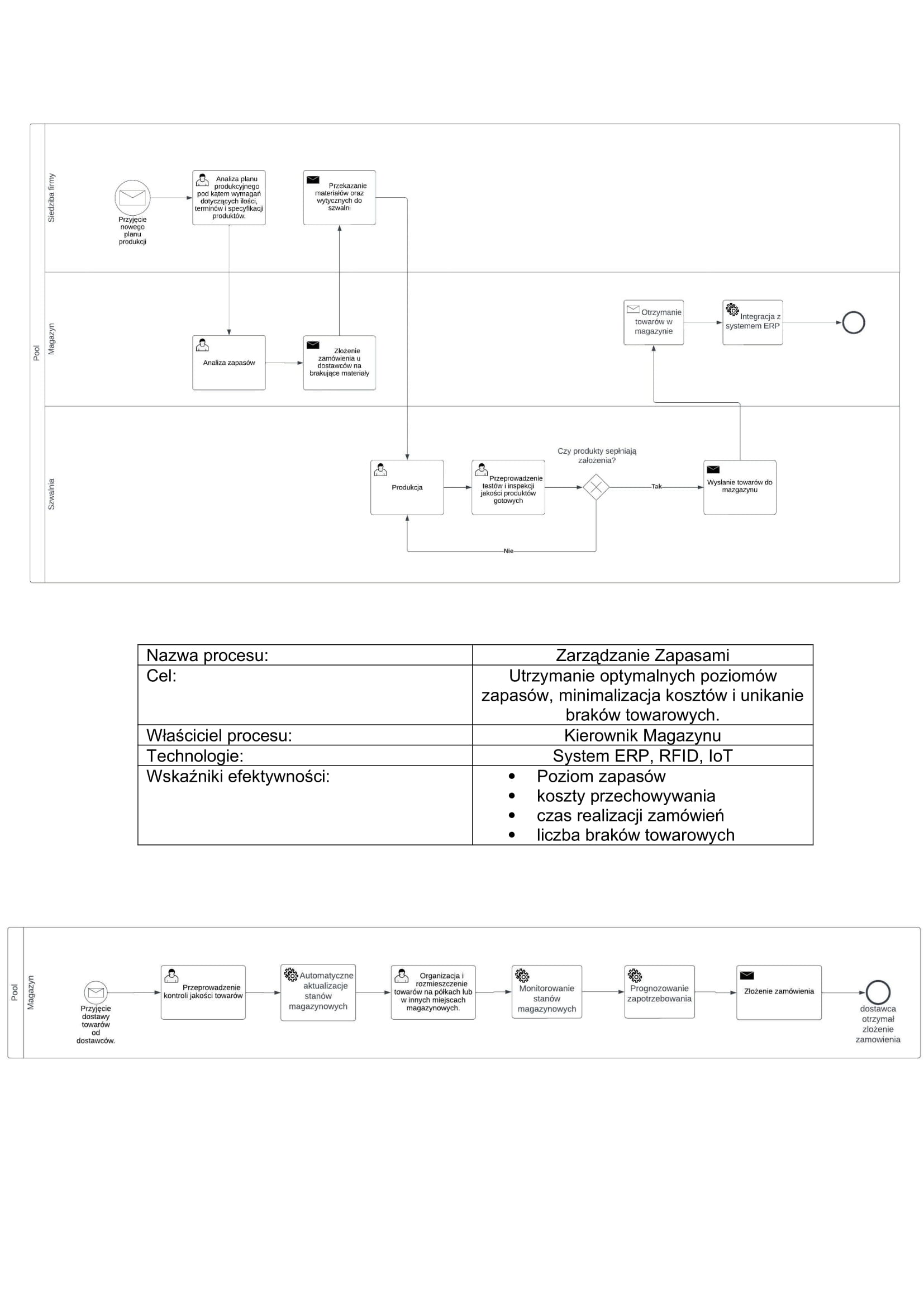
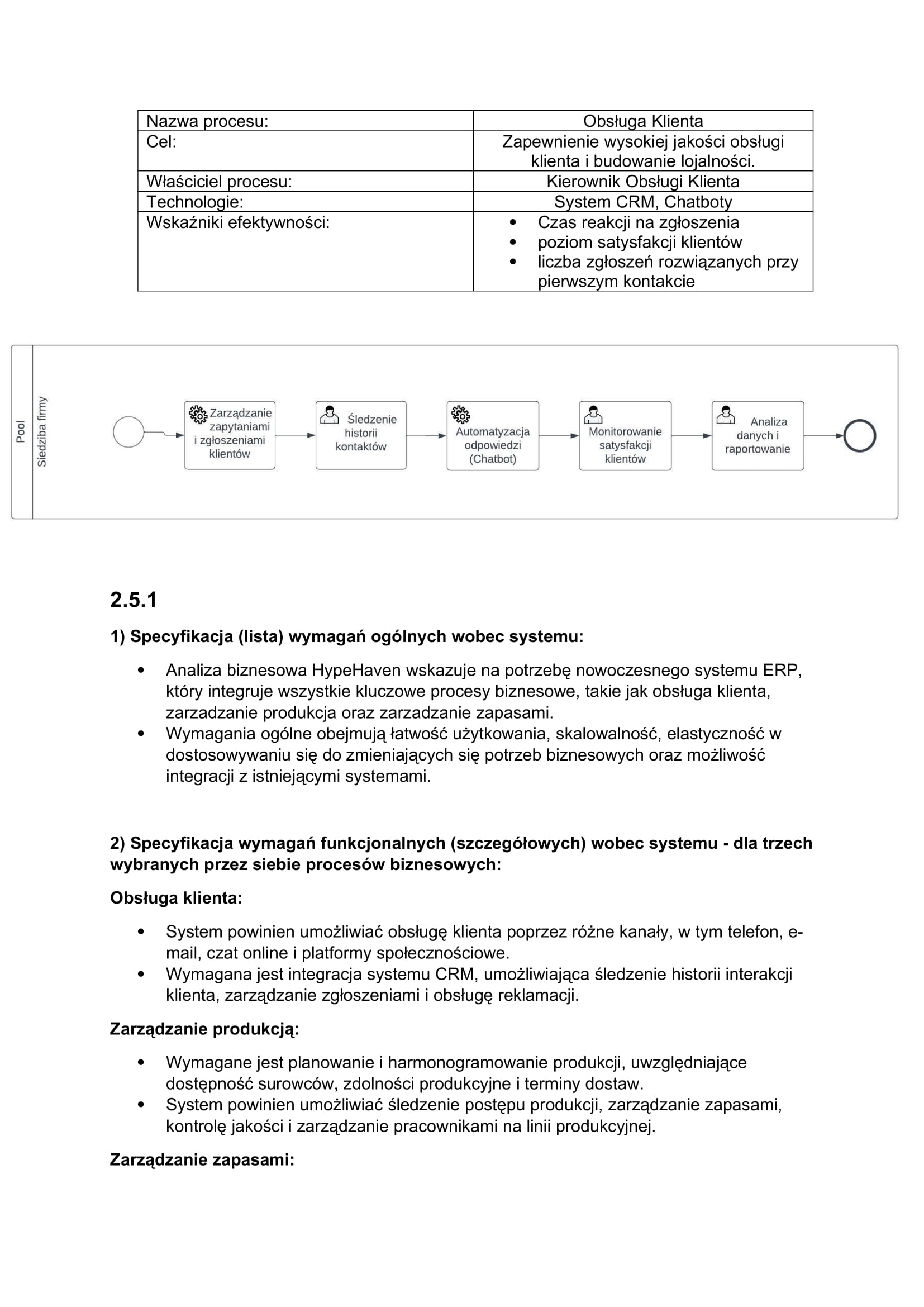
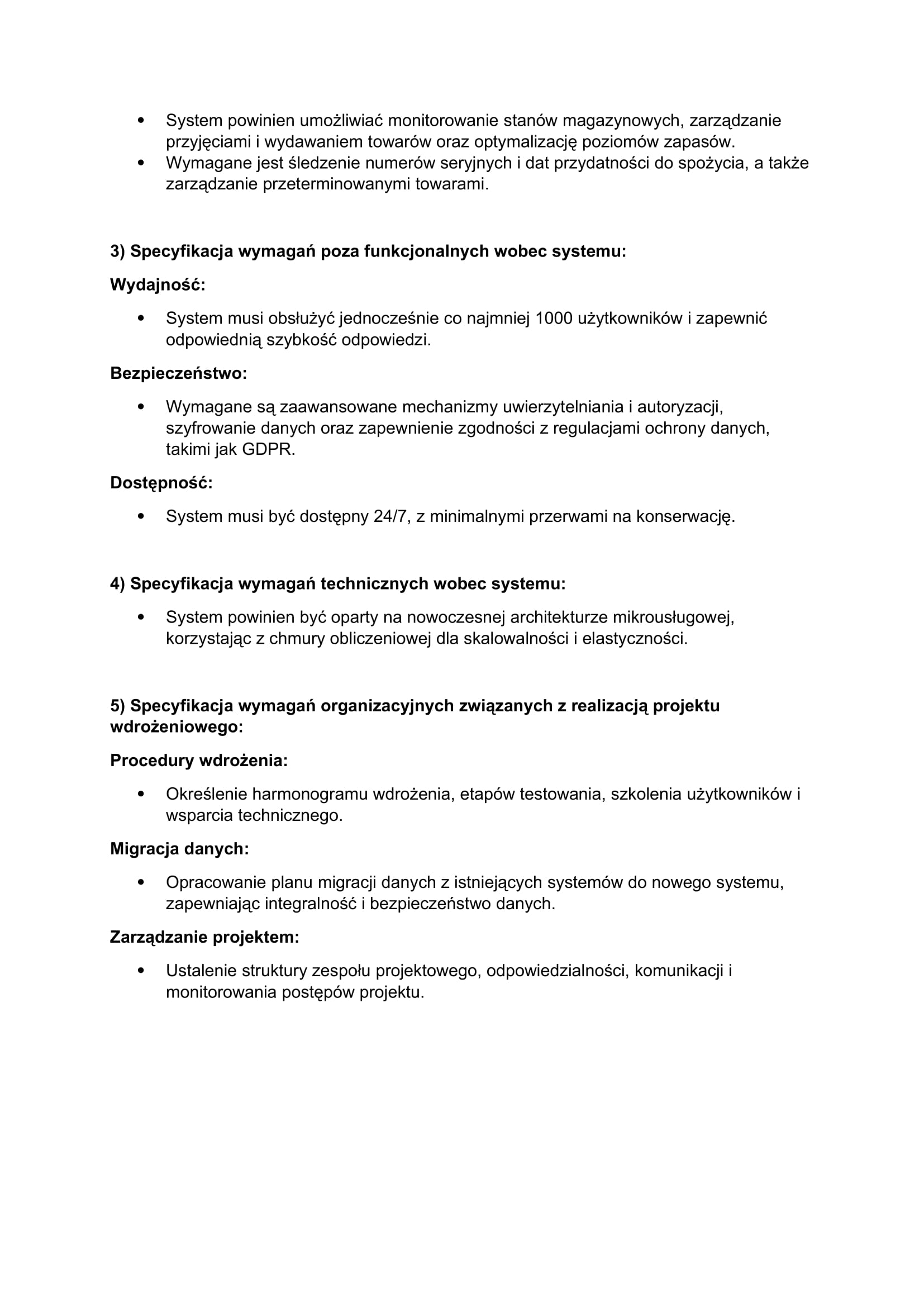
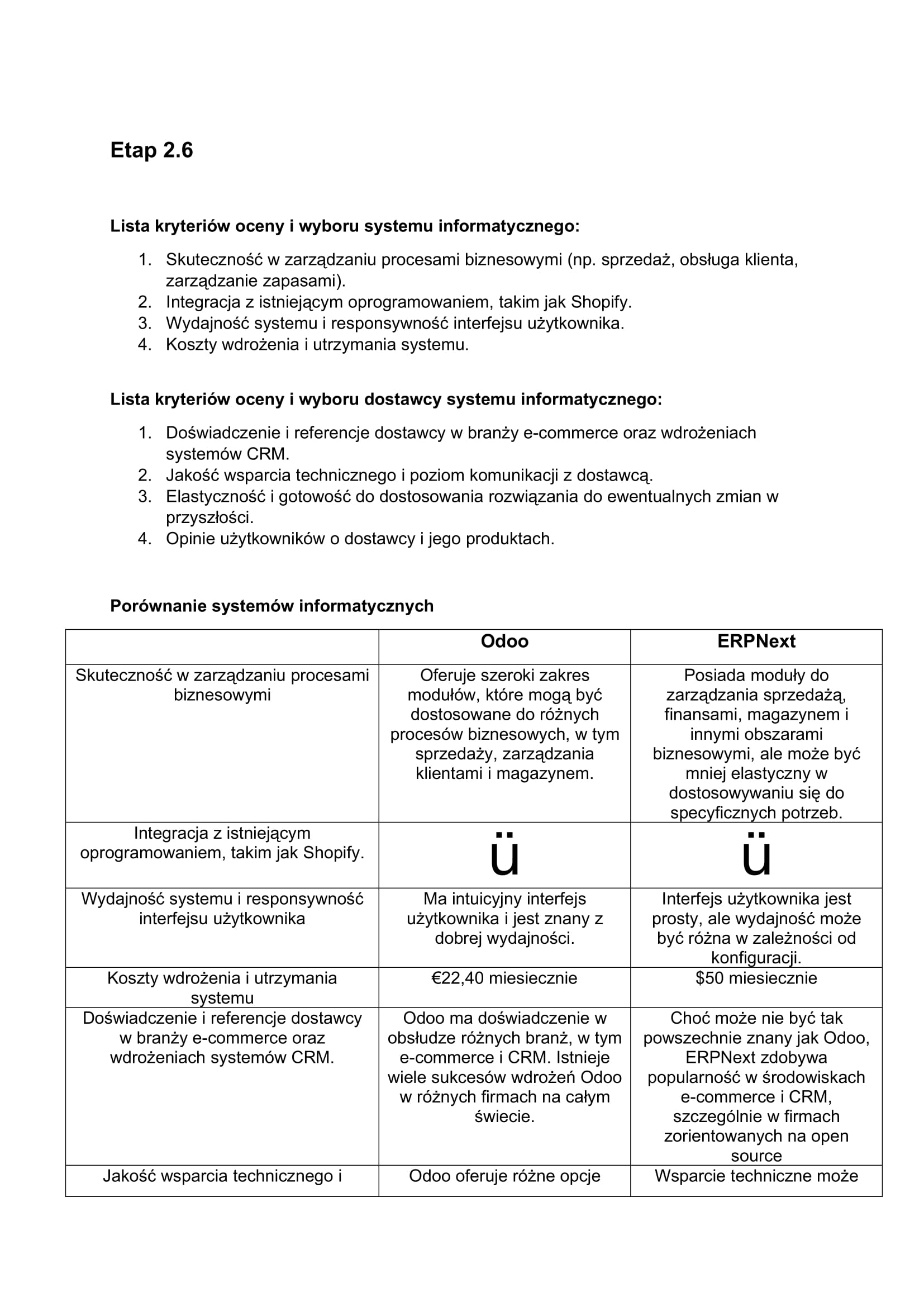
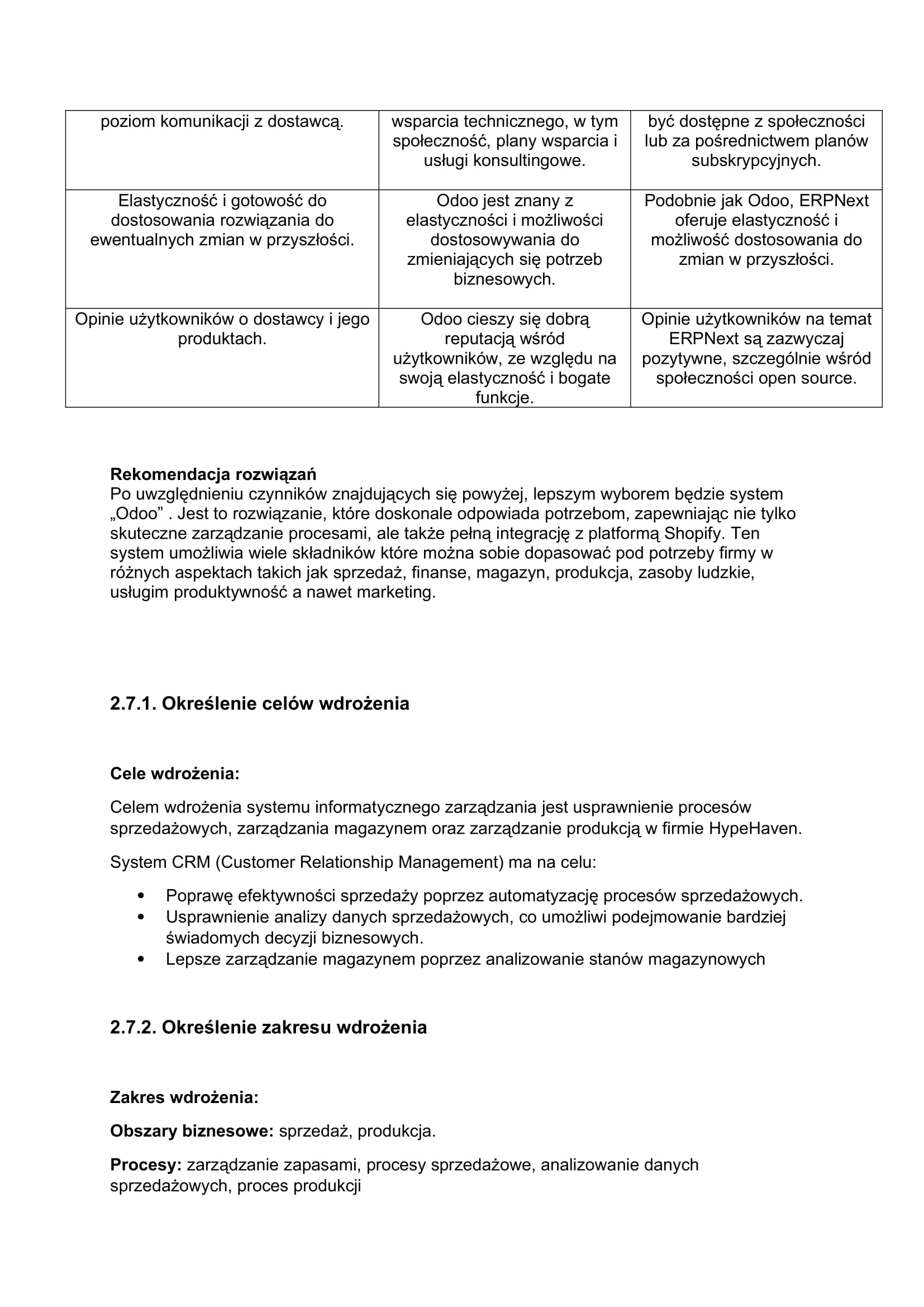
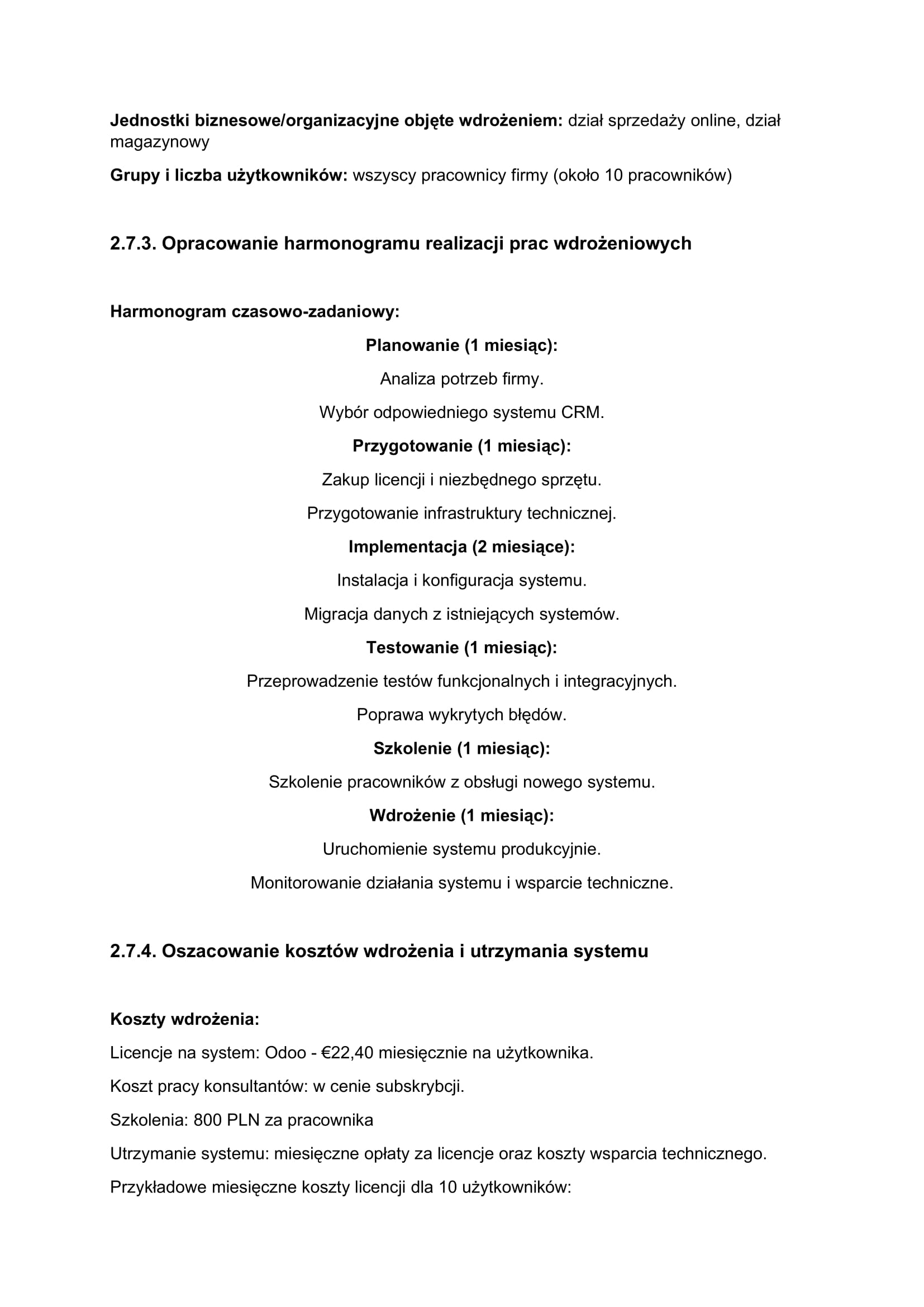
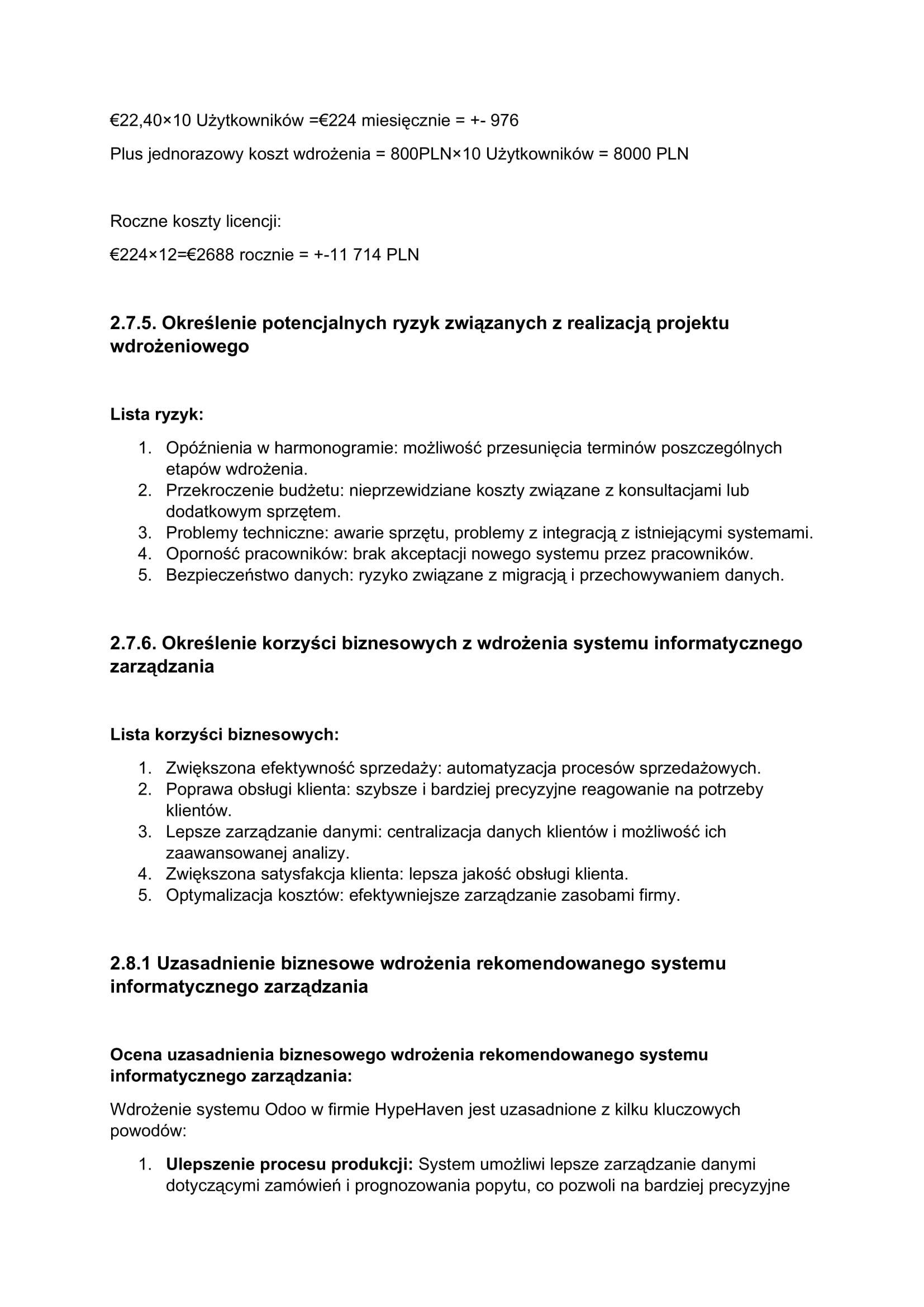
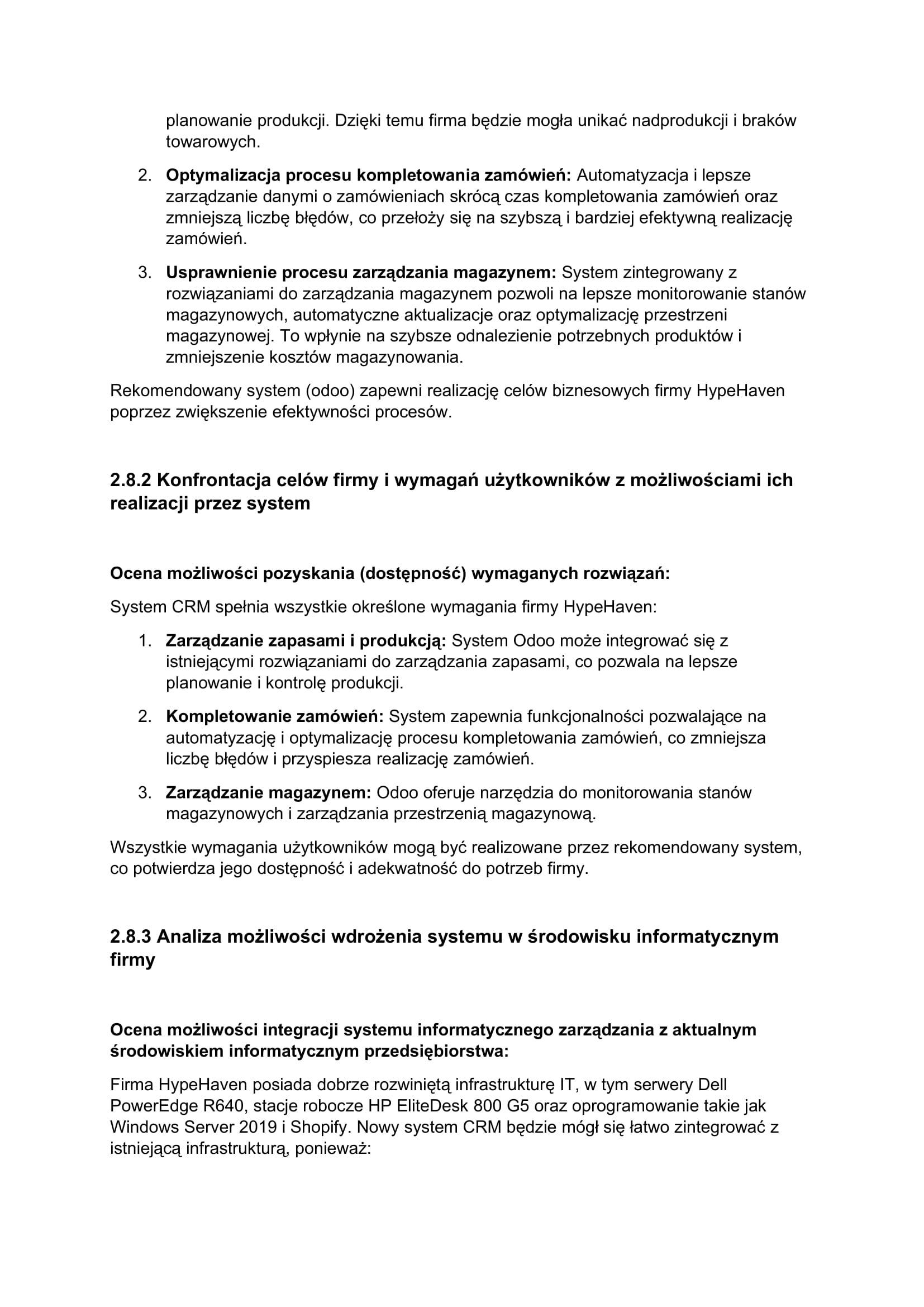
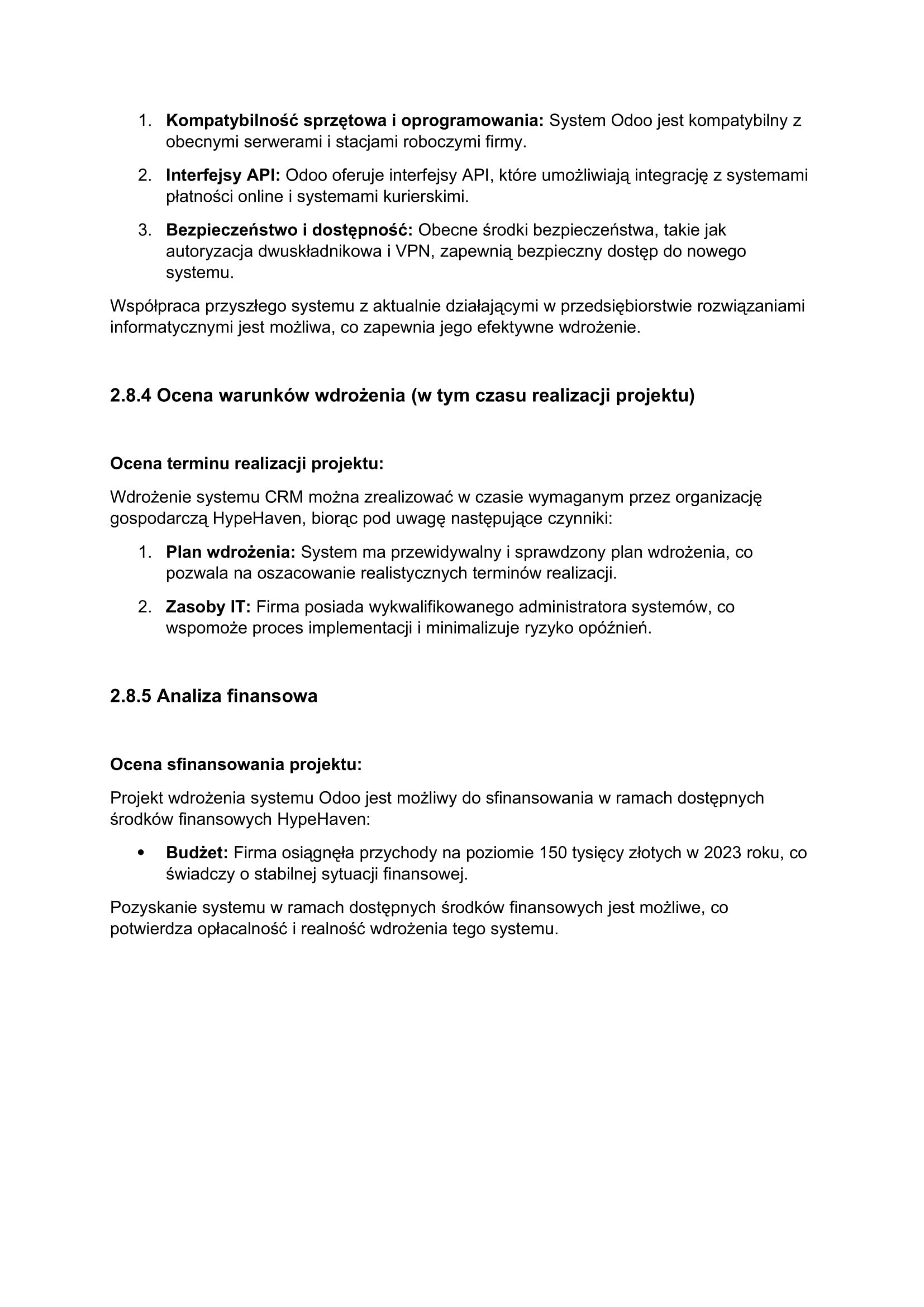
    The project involved carrying out a pre-implementation analysis of an information system, in my case an ERP and CRM system, for a company producing and selling clothing online.

    Goals of the analysis

    The main goal was to assess the feasibility of implementing a system that would automate the company's key processes, such as production, inventory and customer service. The analysis focused on the potential benefits, risks and costs of implementing integrated ERP and CRM systems.

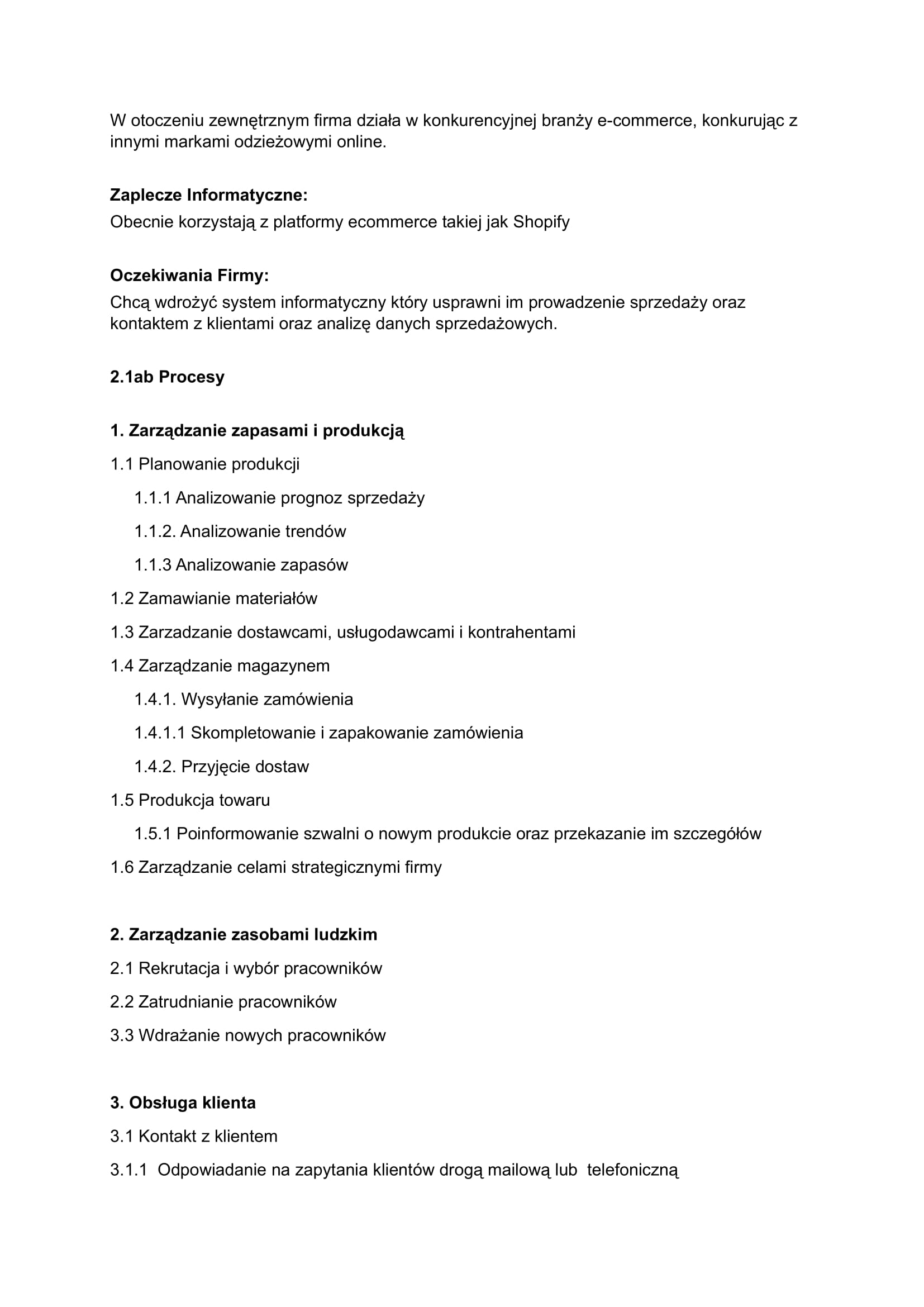
    The analysis covered a detailed study of the following processes:

  • Production management: from production planning through to quality control and deliveries.
  • Inventory management: optimising stock levels and automating orders.
  • Customer service: improving communication with the customer, order management and after-sales support.
  • Conclusions

    The analysis established that the company had not used any ERP or CRM system so far, which meant that most processes were handled manually, without automated support. Introducing an integrated ERP and CRM system would significantly improve operational efficiency and customer service.

    Project documentation:

    Documentation of the pre-implementation analysis of an ERP and CRM system, page 1
    Documentation of the pre-implementation analysis of an ERP and CRM system, page 2
    Documentation of the pre-implementation analysis of an ERP and CRM system, page 3
    Documentation of the pre-implementation analysis of an ERP and CRM system, page 4
    Documentation of the pre-implementation analysis of an ERP and CRM system, page 5
    Documentation of the pre-implementation analysis of an ERP and CRM system, page 6
    Documentation of the pre-implementation analysis of an ERP and CRM system, page 7
    Documentation of the pre-implementation analysis of an ERP and CRM system, page 8
    Documentation of the pre-implementation analysis of an ERP and CRM system, page 9
    Documentation of the pre-implementation analysis of an ERP and CRM system, page 10
    Documentation of the pre-implementation analysis of an ERP and CRM system, page 11
    Documentation of the pre-implementation analysis of an ERP and CRM system, page 12
    Documentation of the pre-implementation analysis of an ERP and CRM system, page 13
    Documentation of the pre-implementation analysis of an ERP and CRM system, page 14
    Documentation of the pre-implementation analysis of an ERP and CRM system, page 15
    Documentation of the pre-implementation analysis of an ERP and CRM system, page 16
    Documentation of the pre-implementation analysis of an ERP and CRM system, page 17
    Documentation of the pre-implementation analysis of an ERP and CRM system, page 18
    Documentation of the pre-implementation analysis of an ERP and CRM system, page 19
    Documentation of the pre-implementation analysis of an ERP and CRM system, page 20
    Documentation of the pre-implementation analysis of an ERP and CRM system, page 21
    Documentation of the pre-implementation analysis of an ERP and CRM system, page 22
    Documentation of the pre-implementation analysis of an ERP and CRM system, page 23

    IT project management

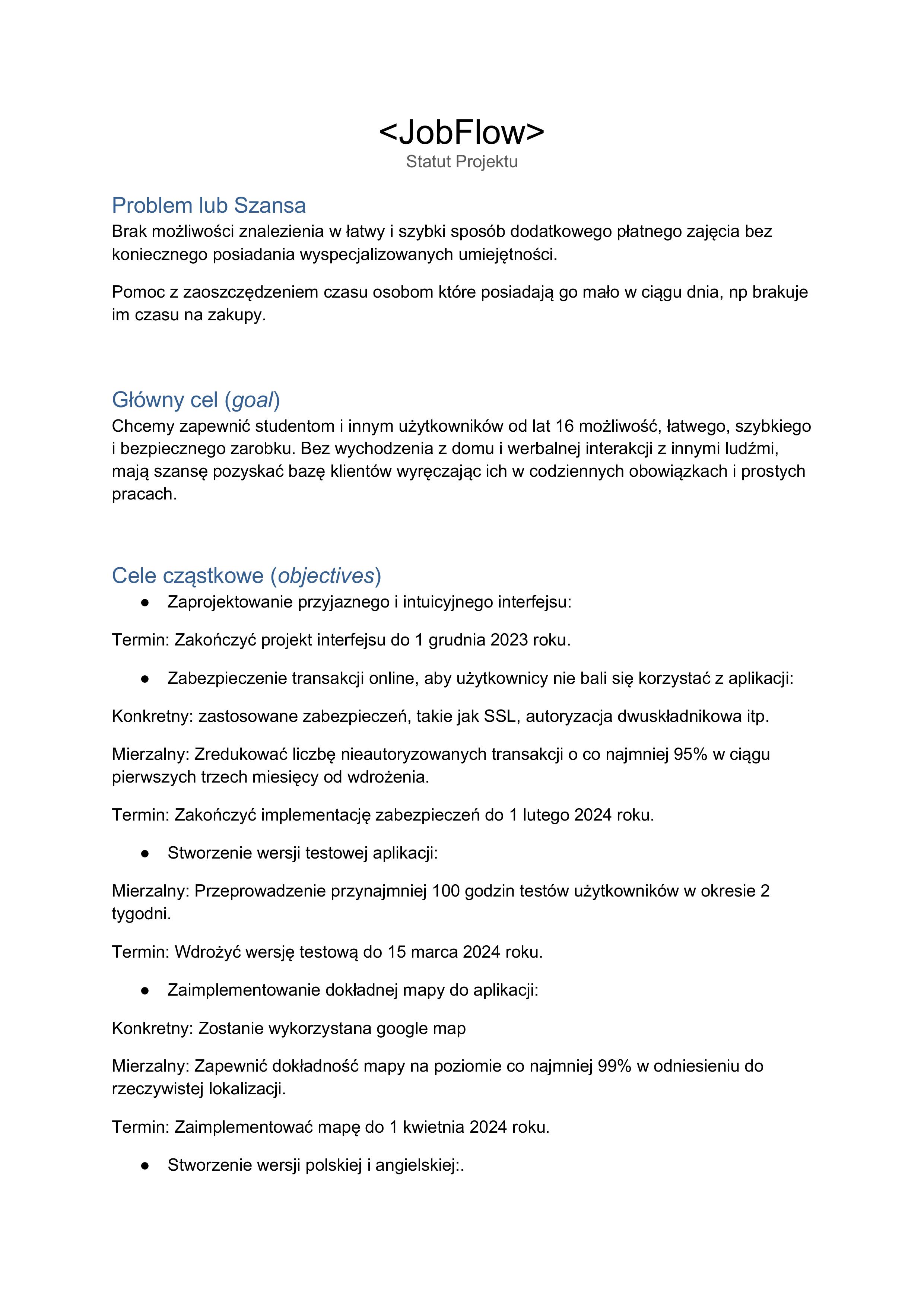
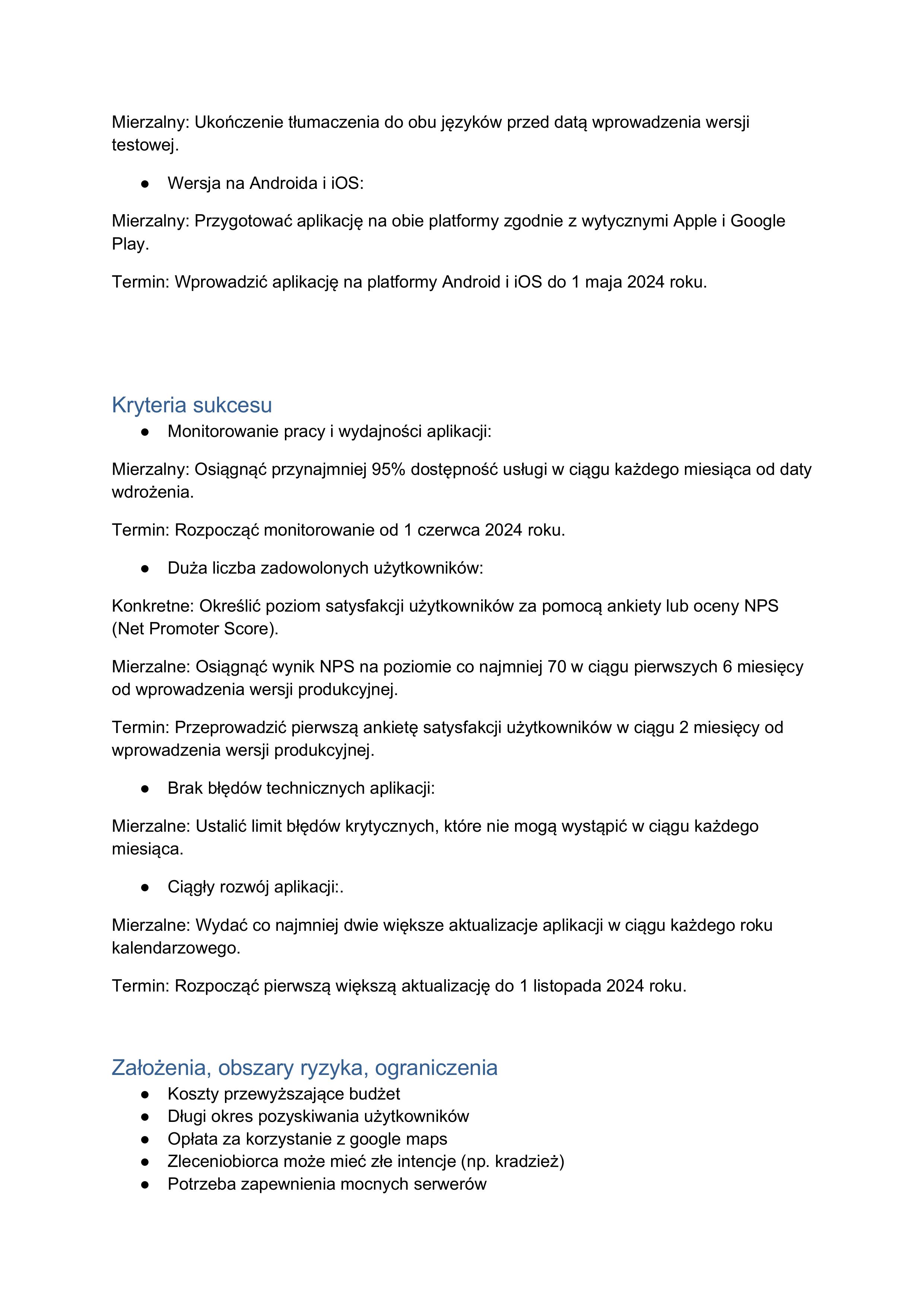
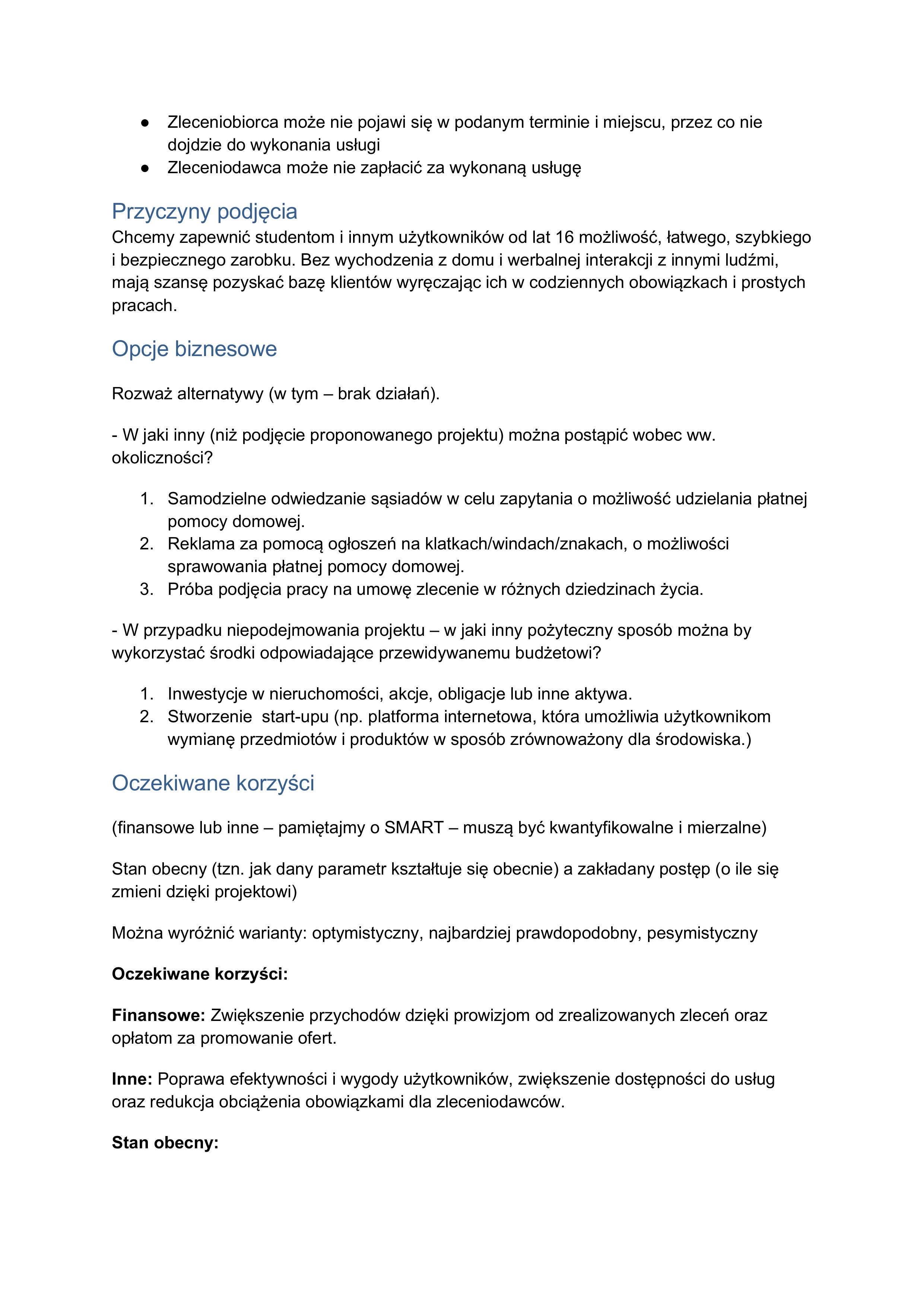
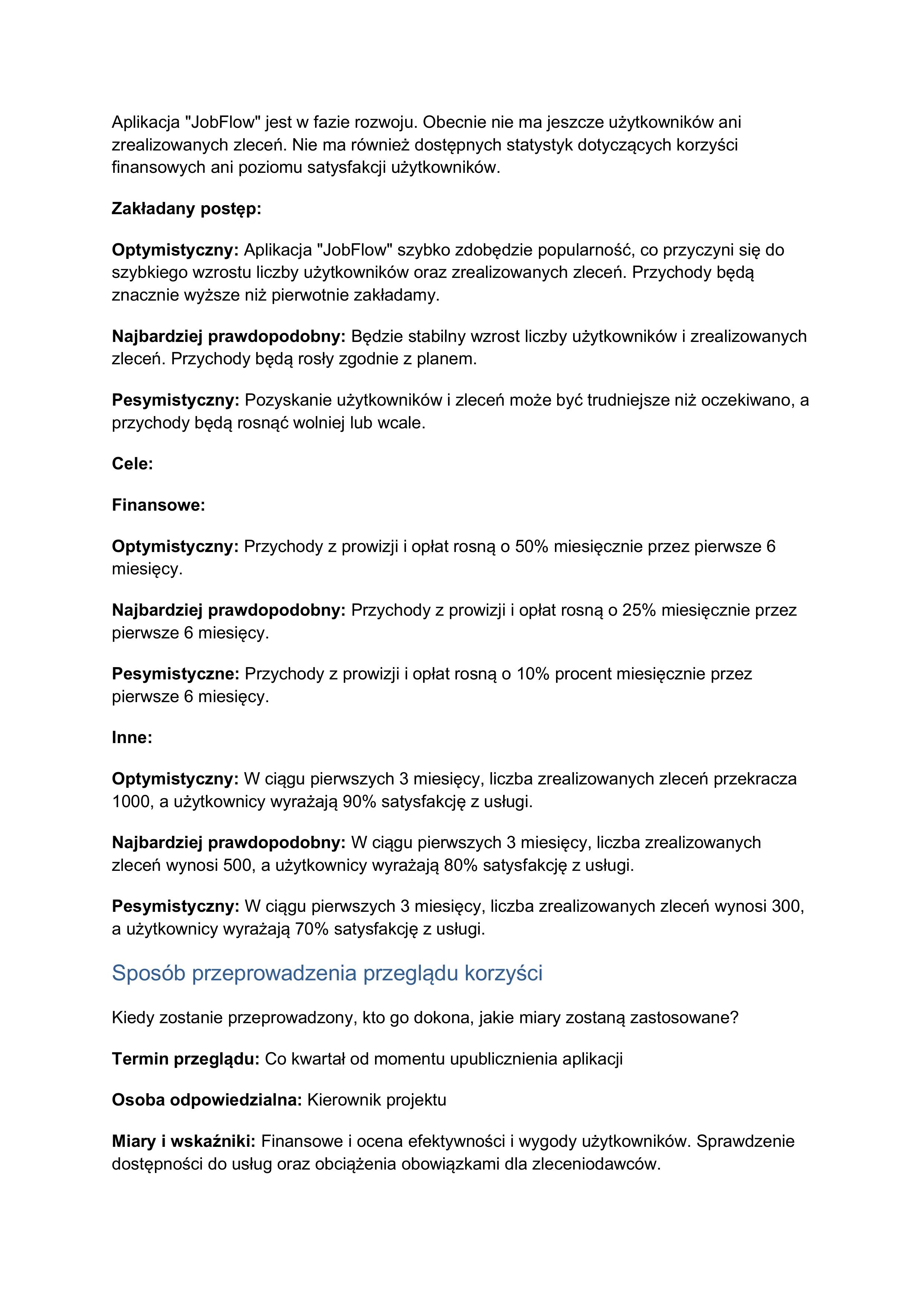
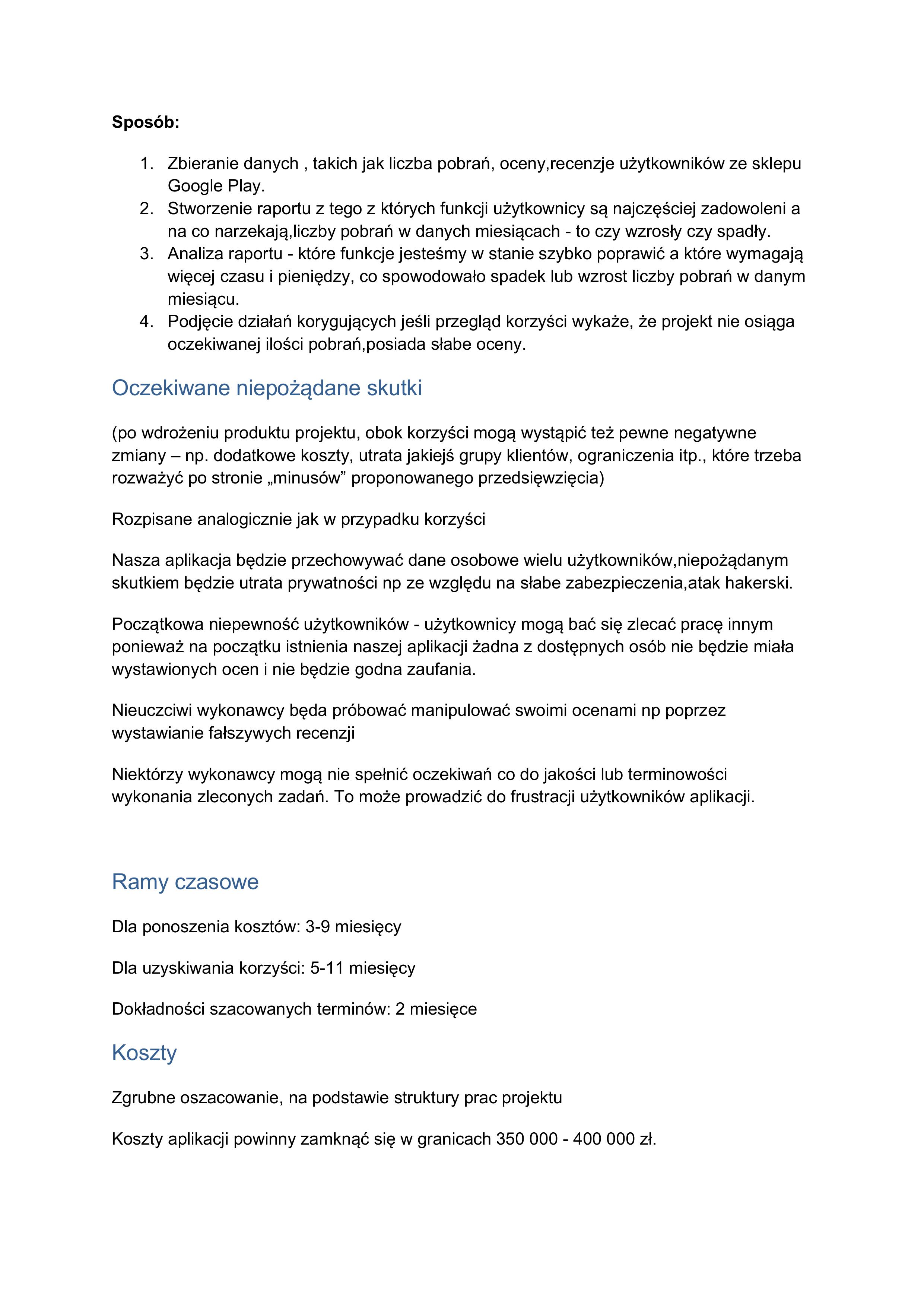
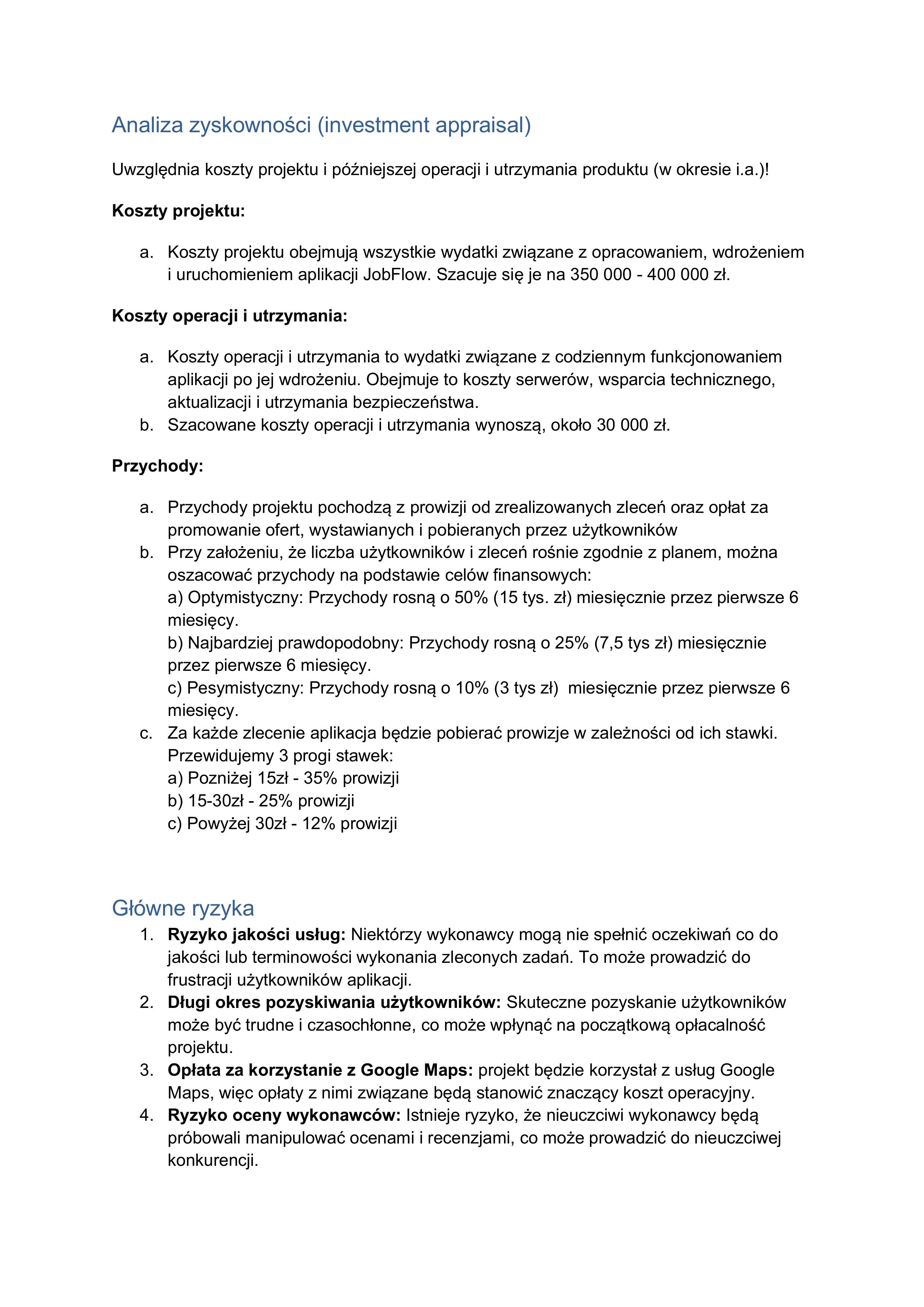
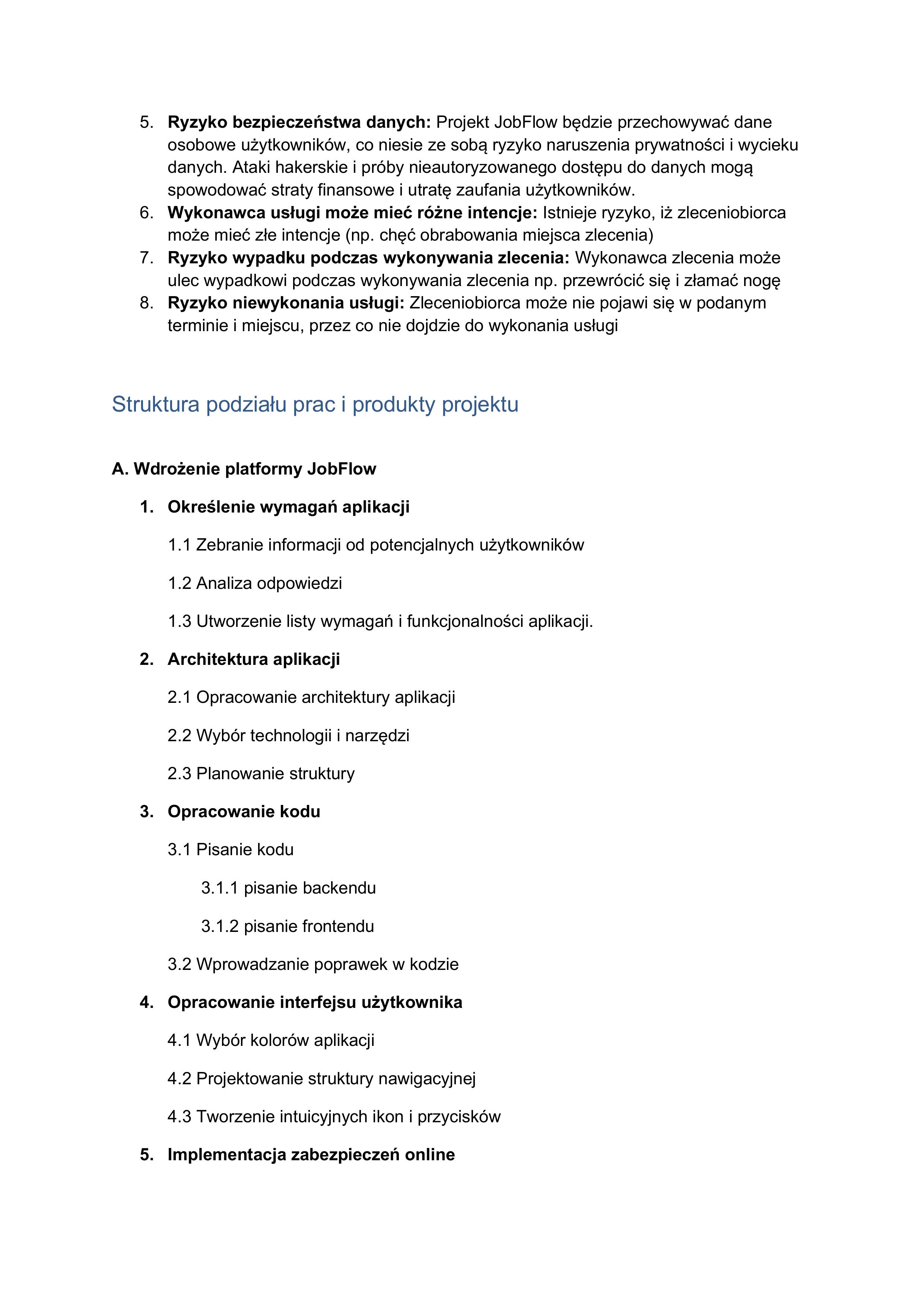
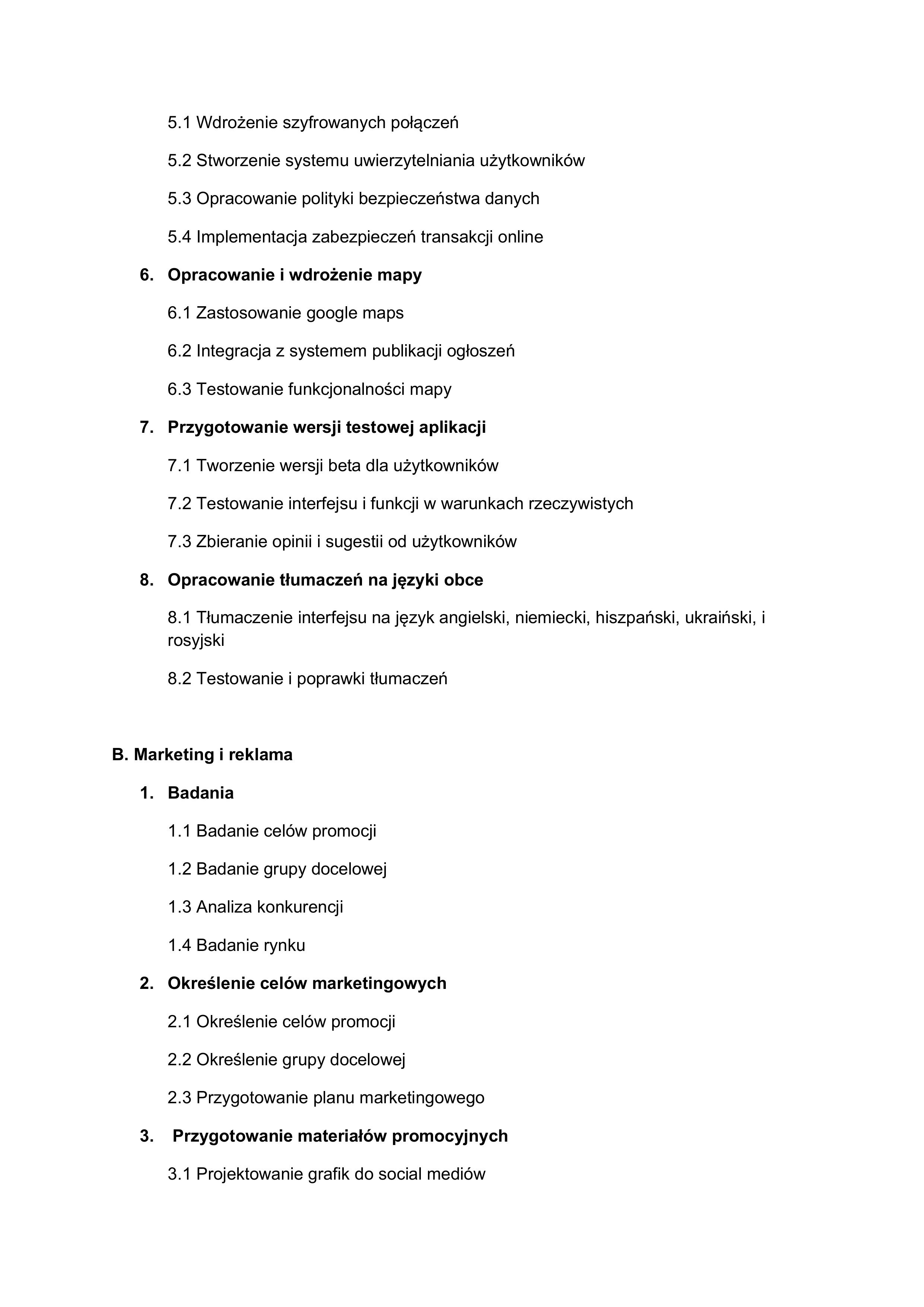
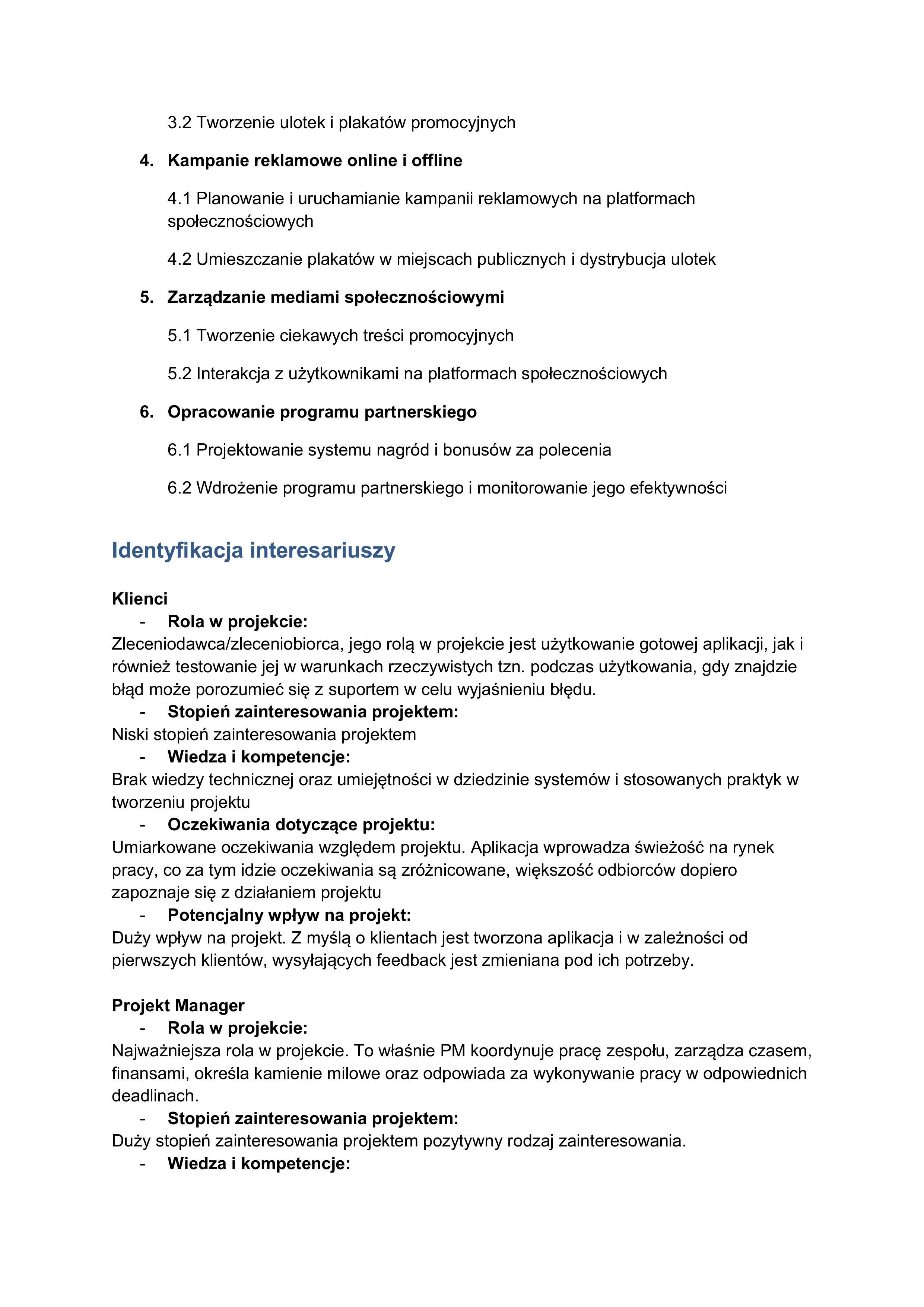
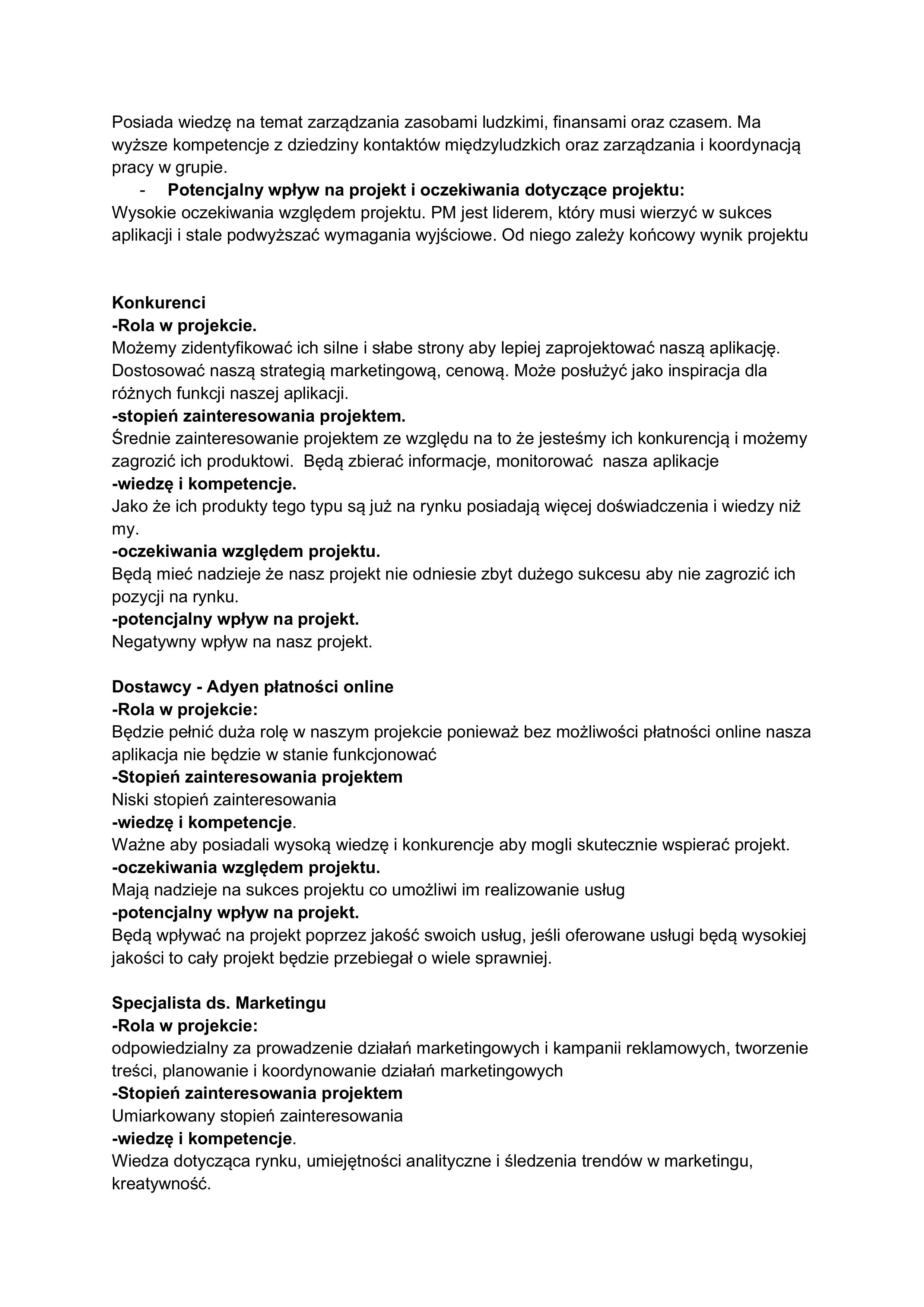
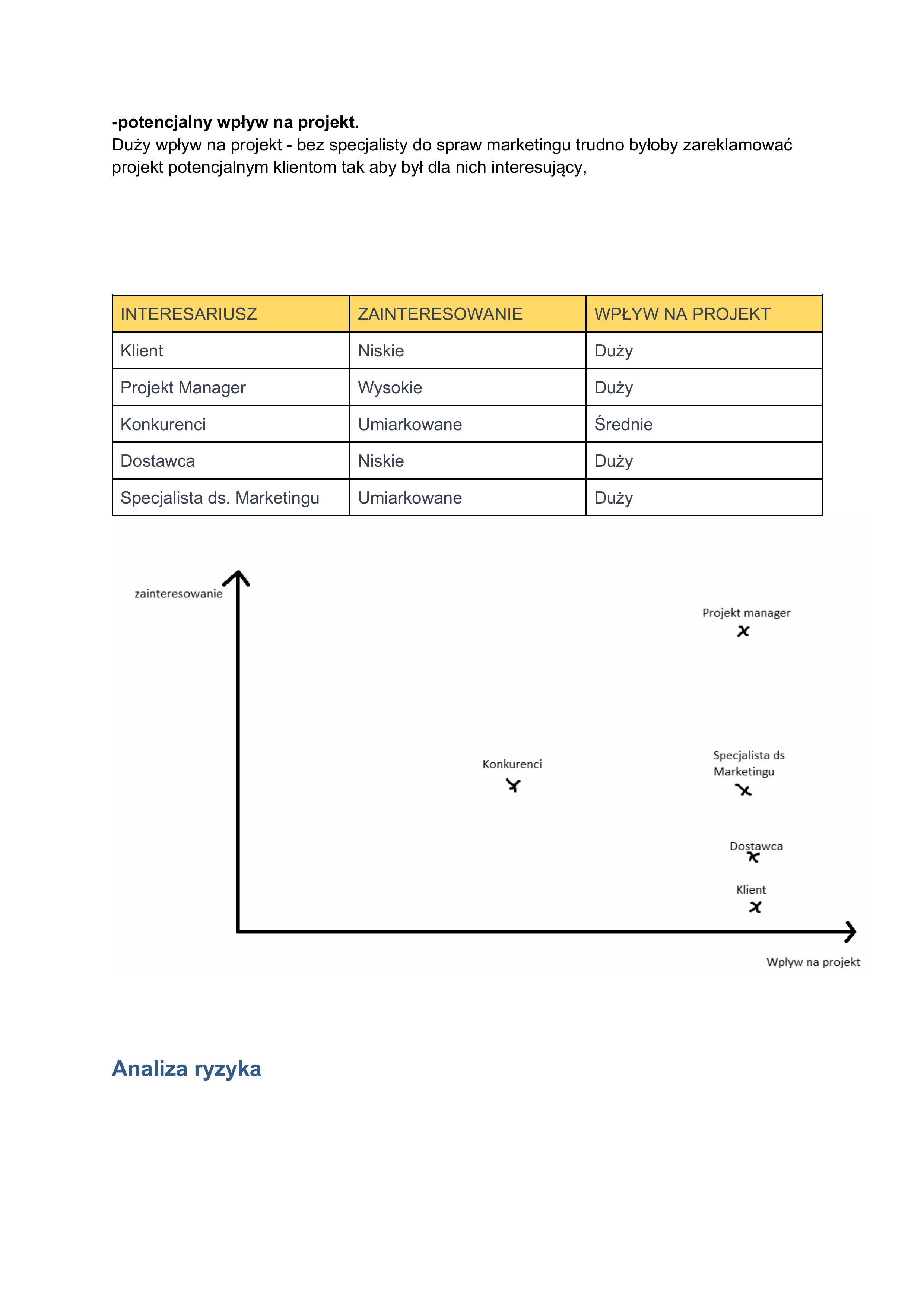
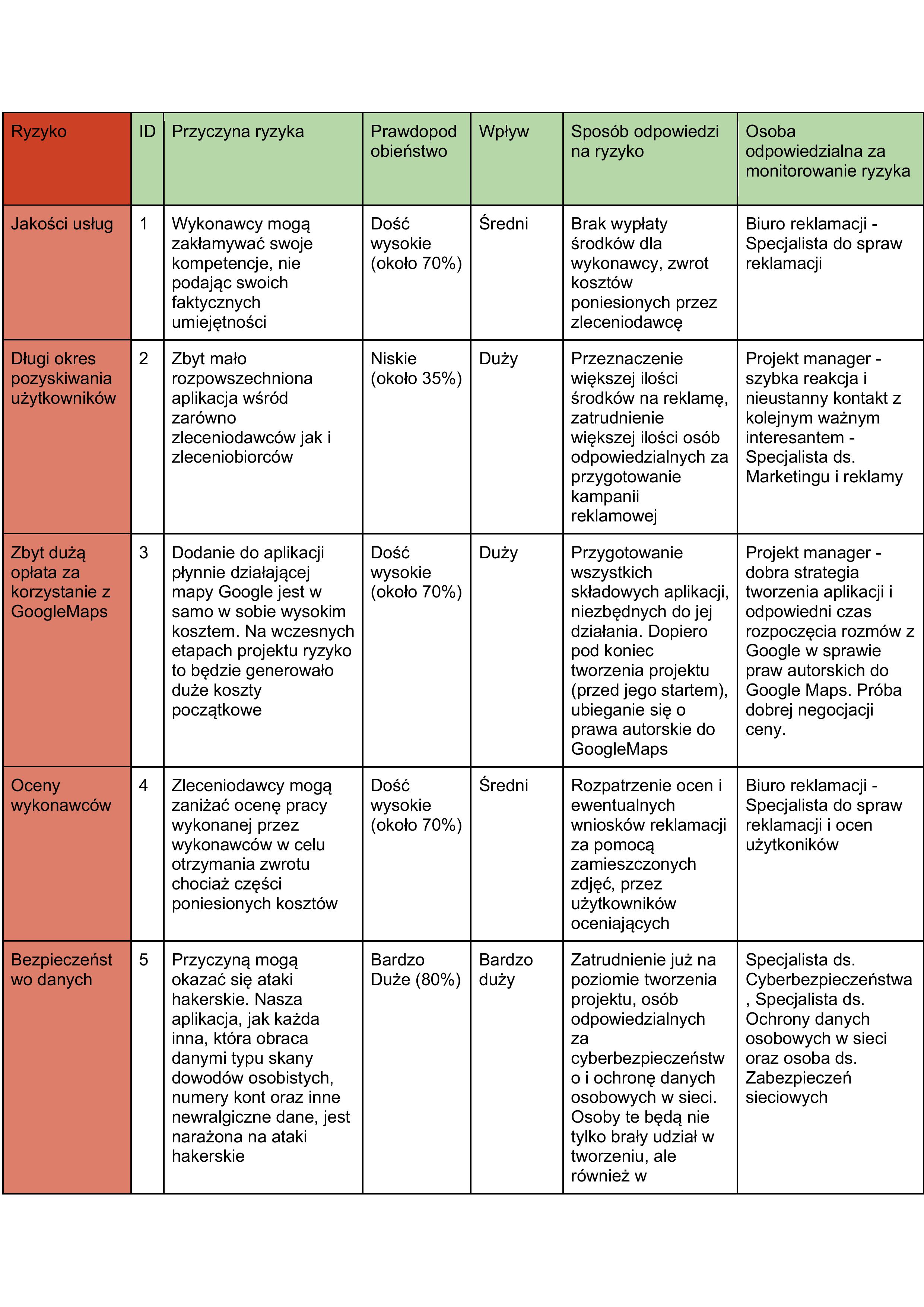
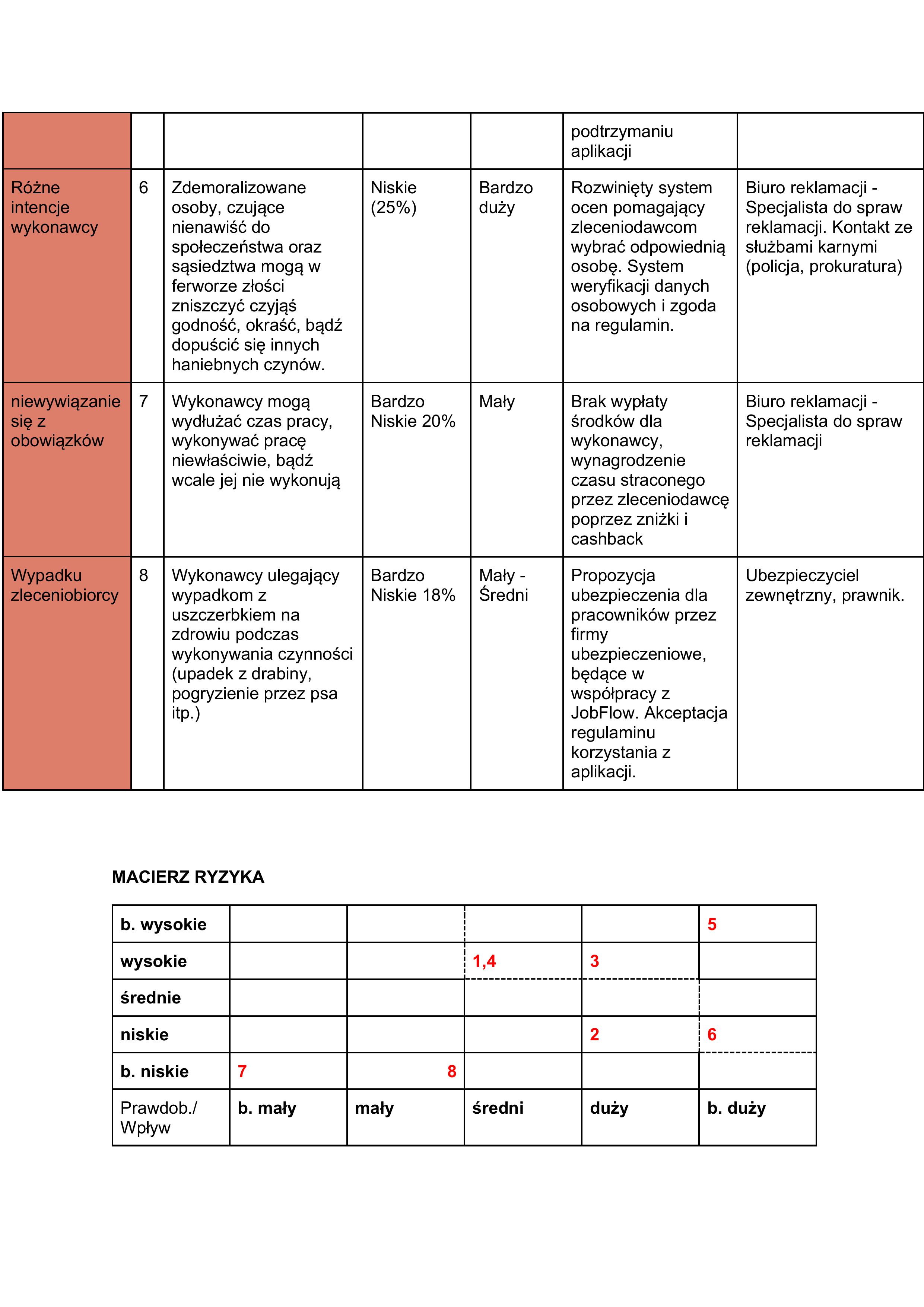
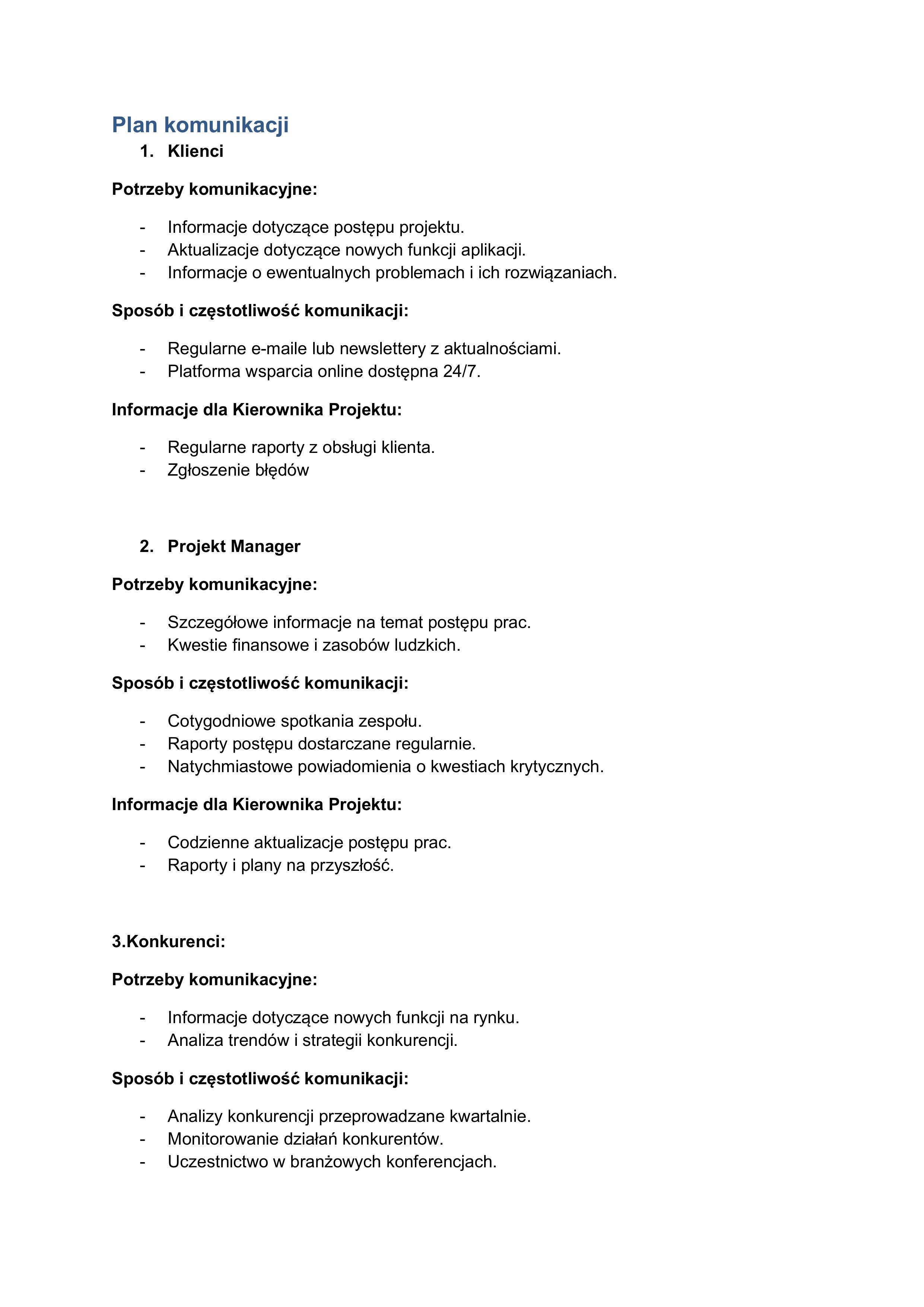
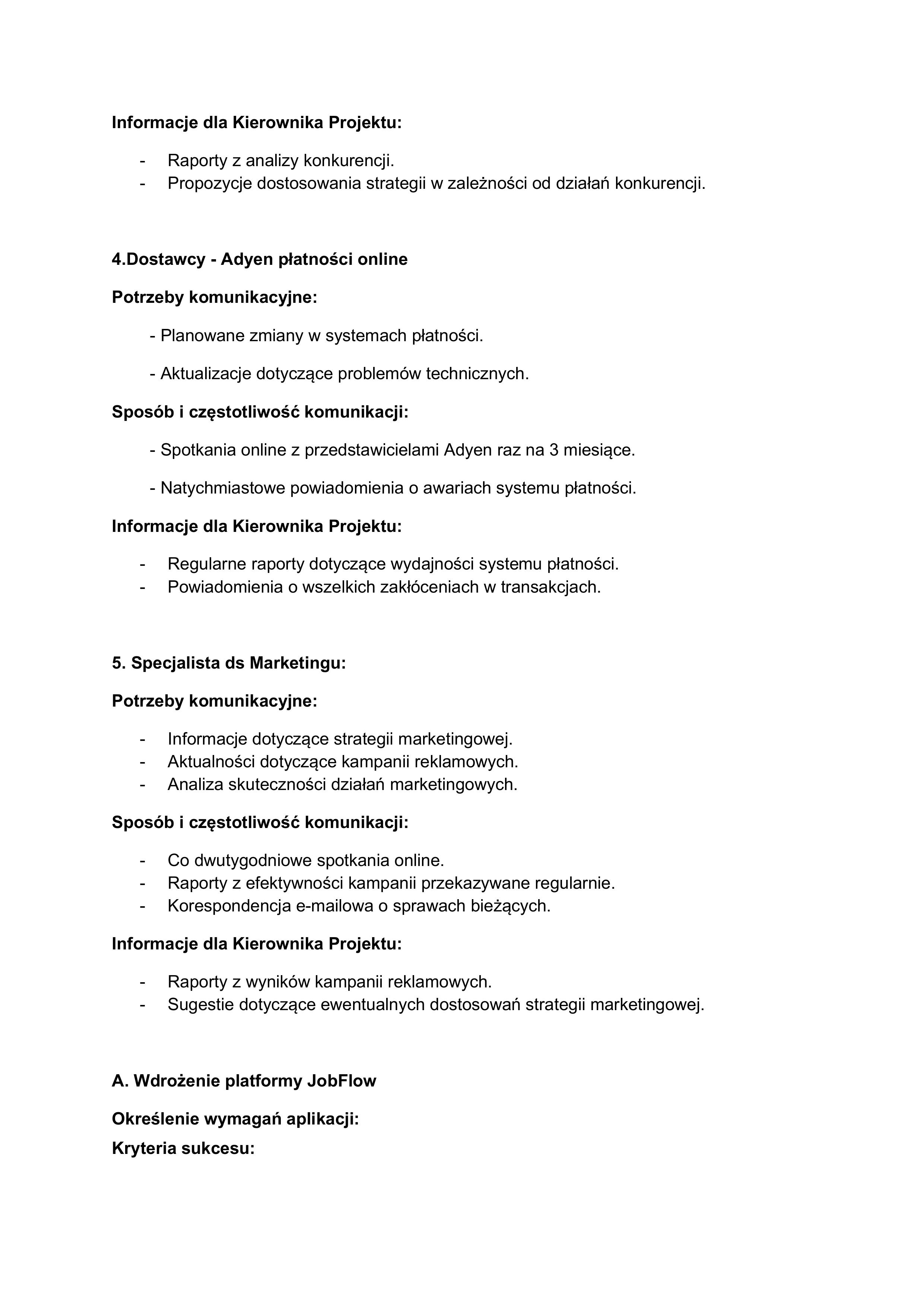
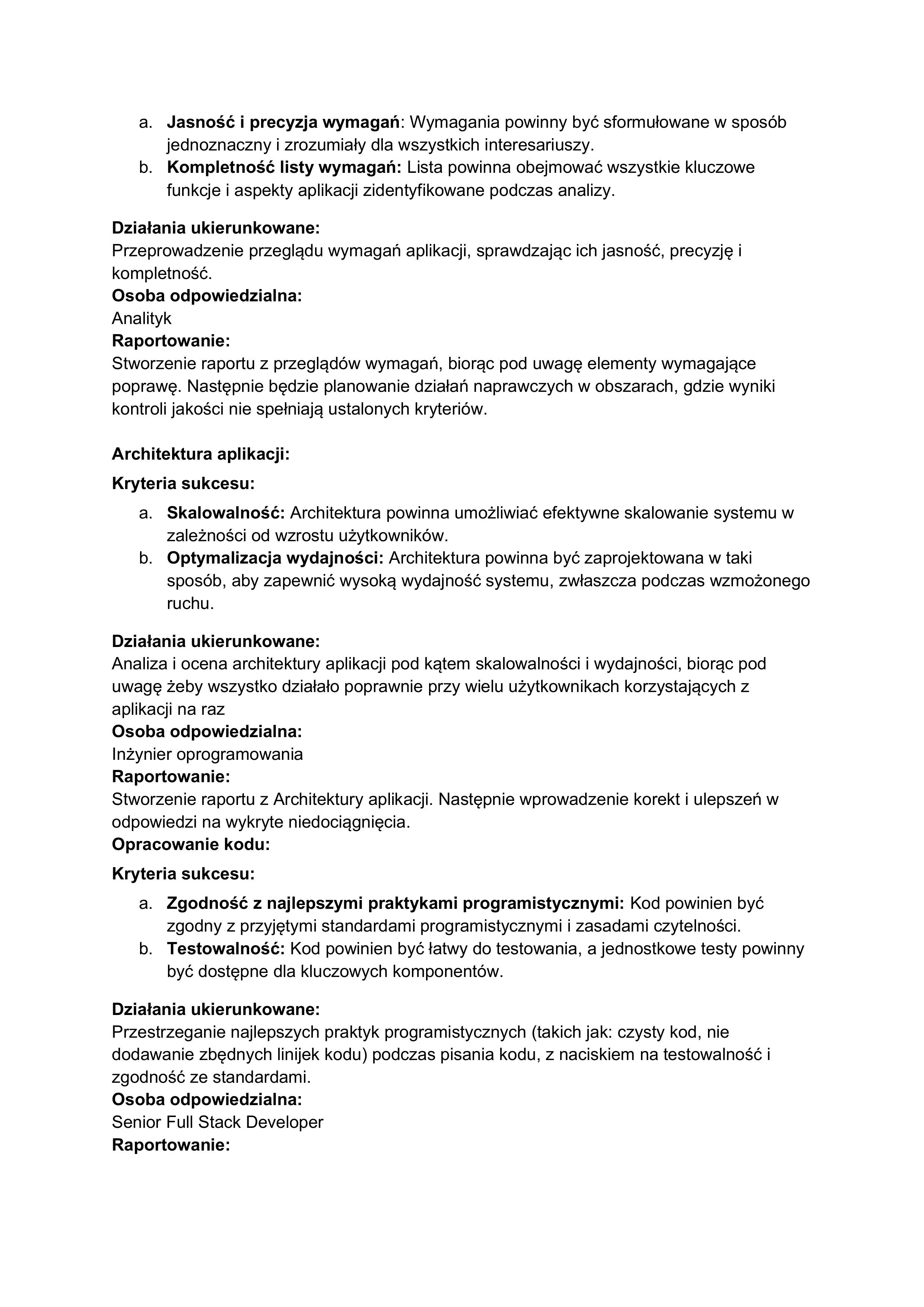
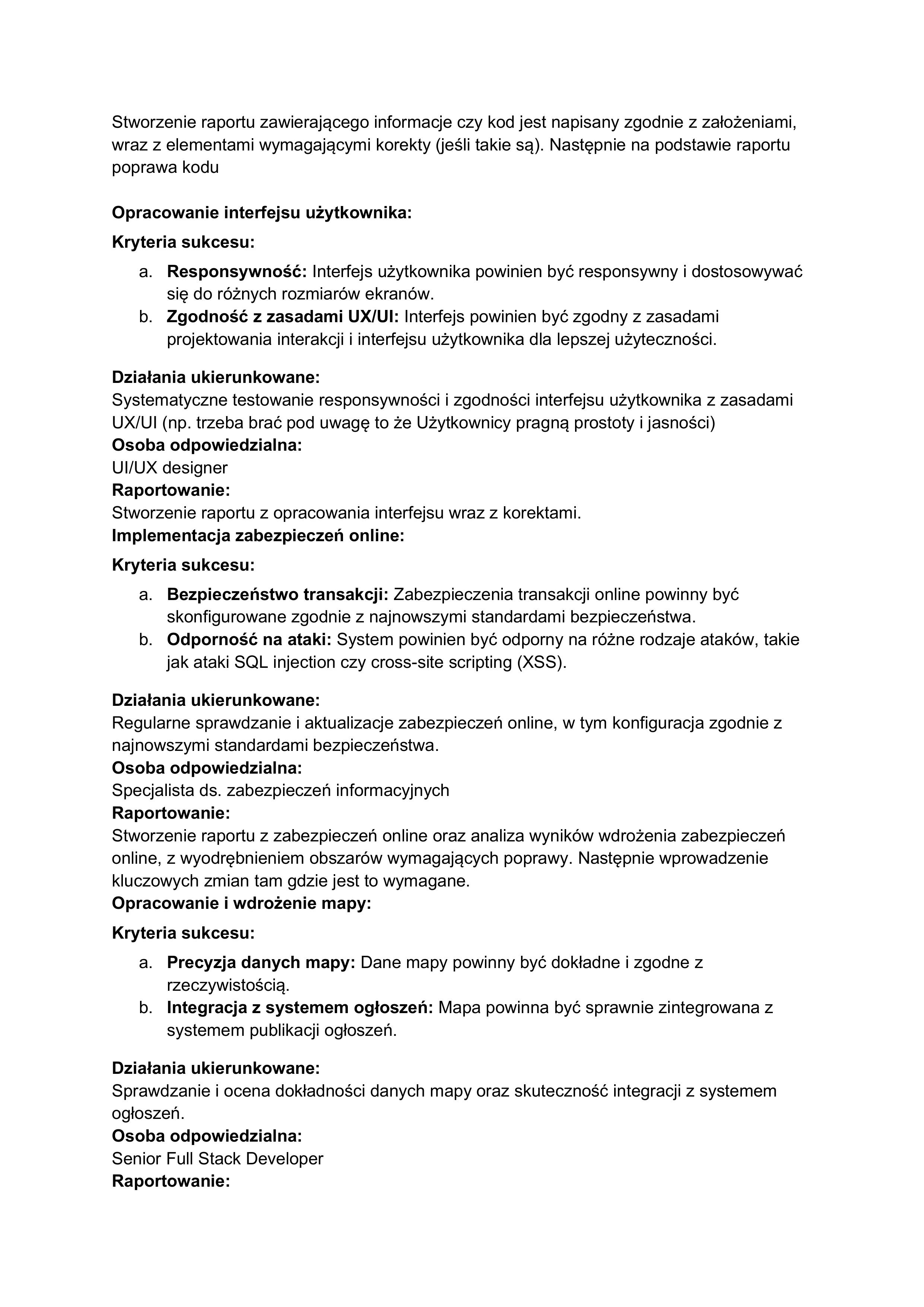
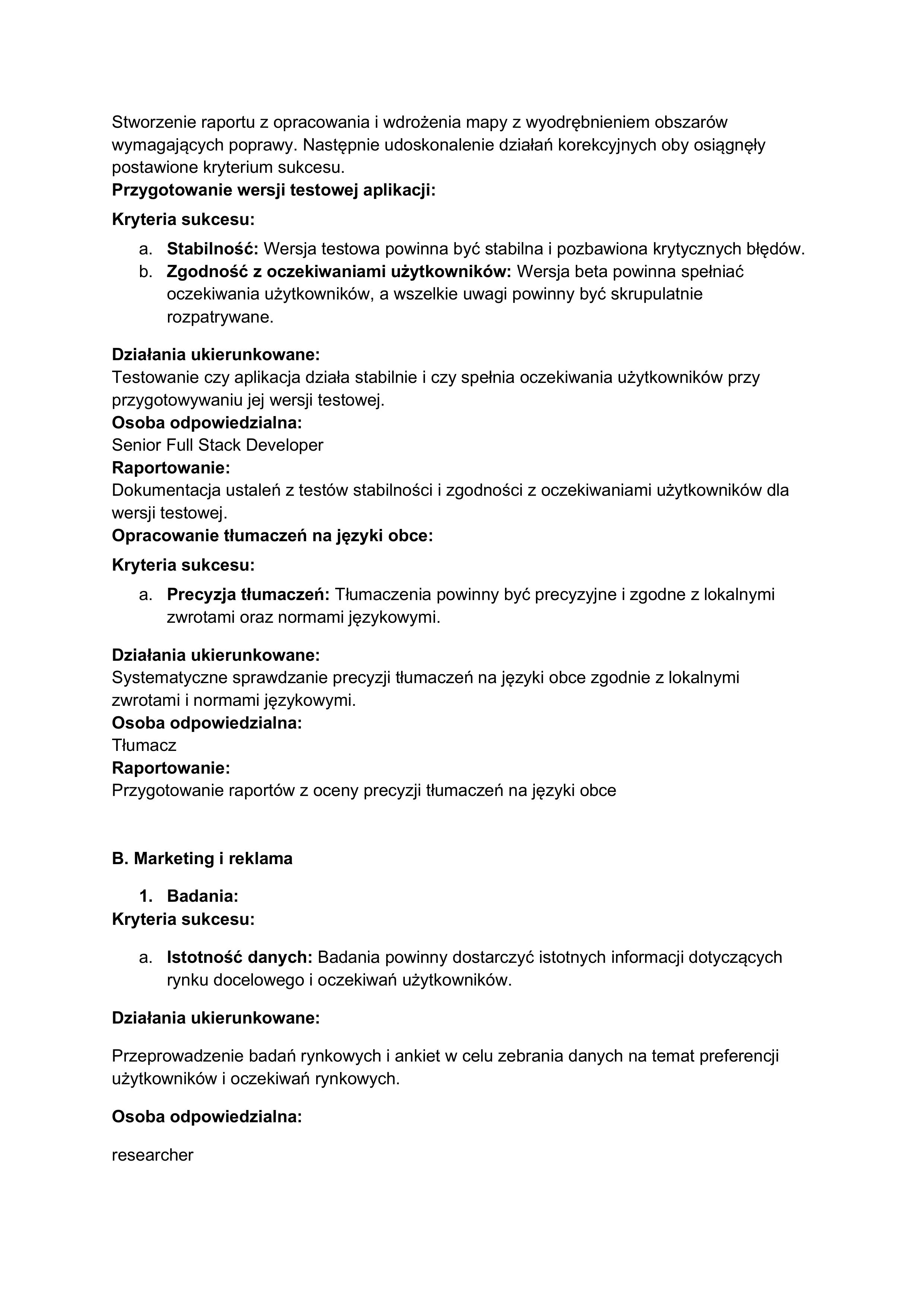
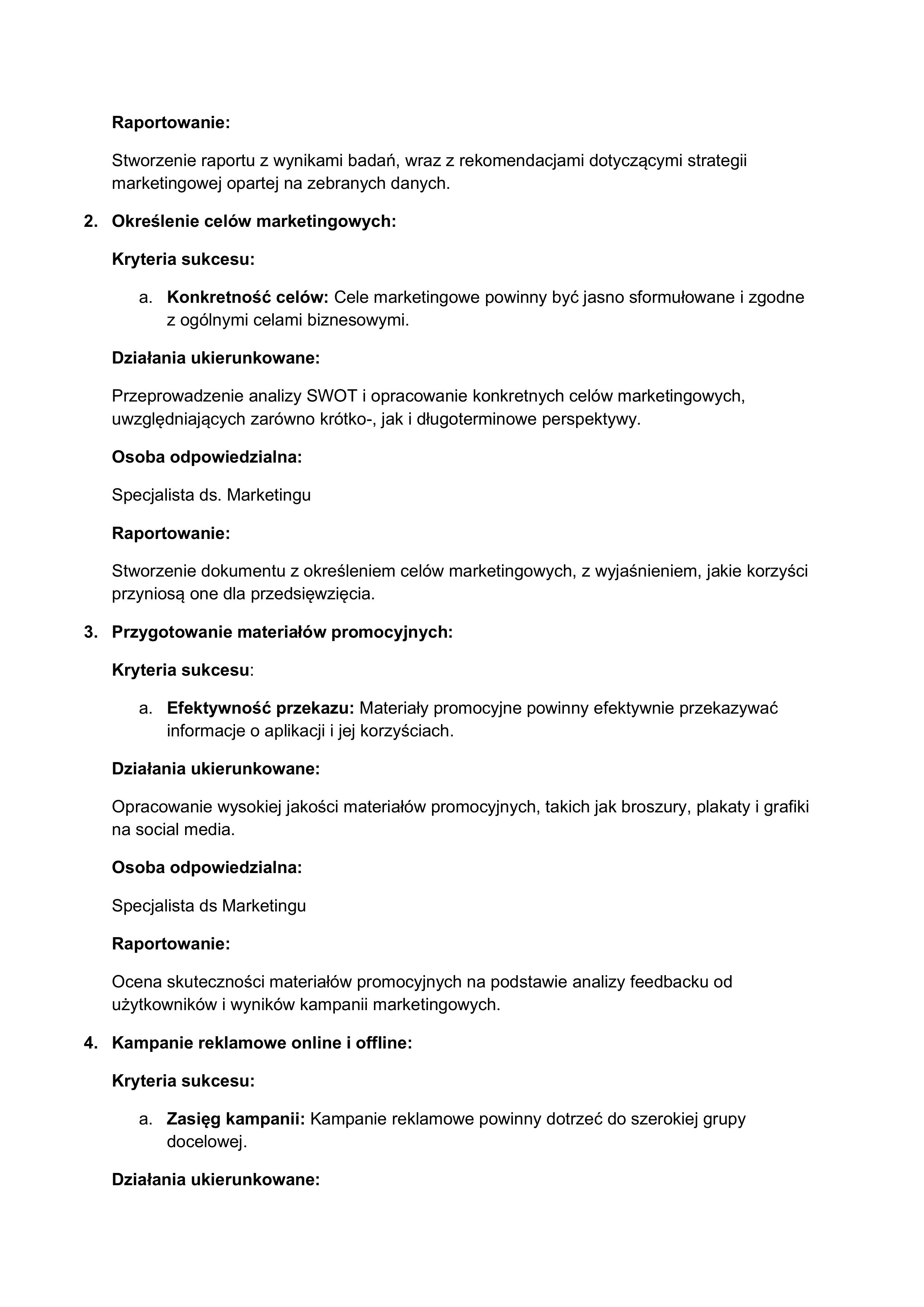
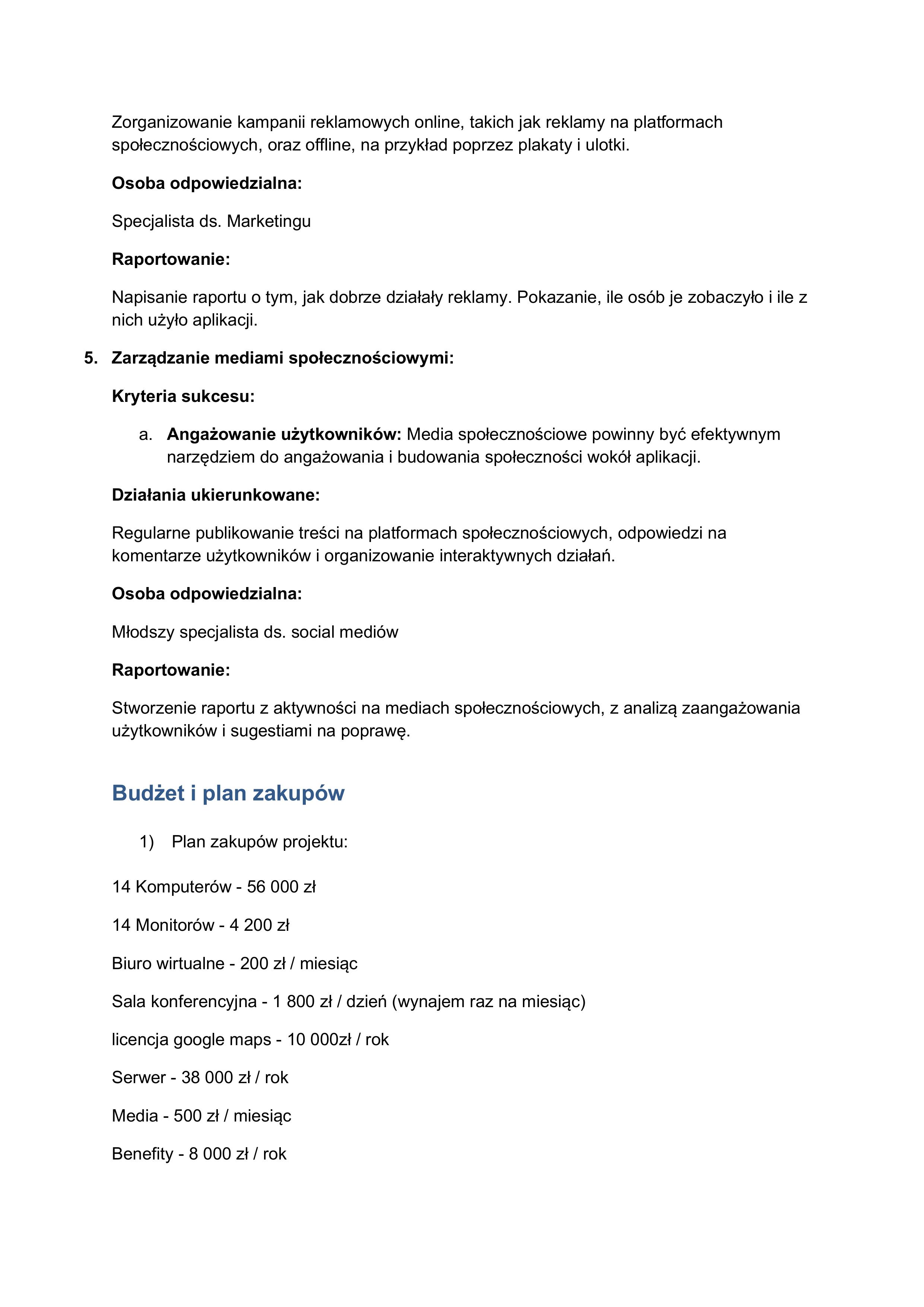
    The JobFlow project, carried out during the IT project management course, was about applying project management principles in practice. The task required analysing user needs and identifying a problem the application could solve, in this case quickly connecting people offering work with people looking for extra income.

    The JobFlow project required us to:


    Produce full project documentation covering:

  • A description of the concept and the project goals,
  • A risk analysis,
  • Identification of the key stakeholders,
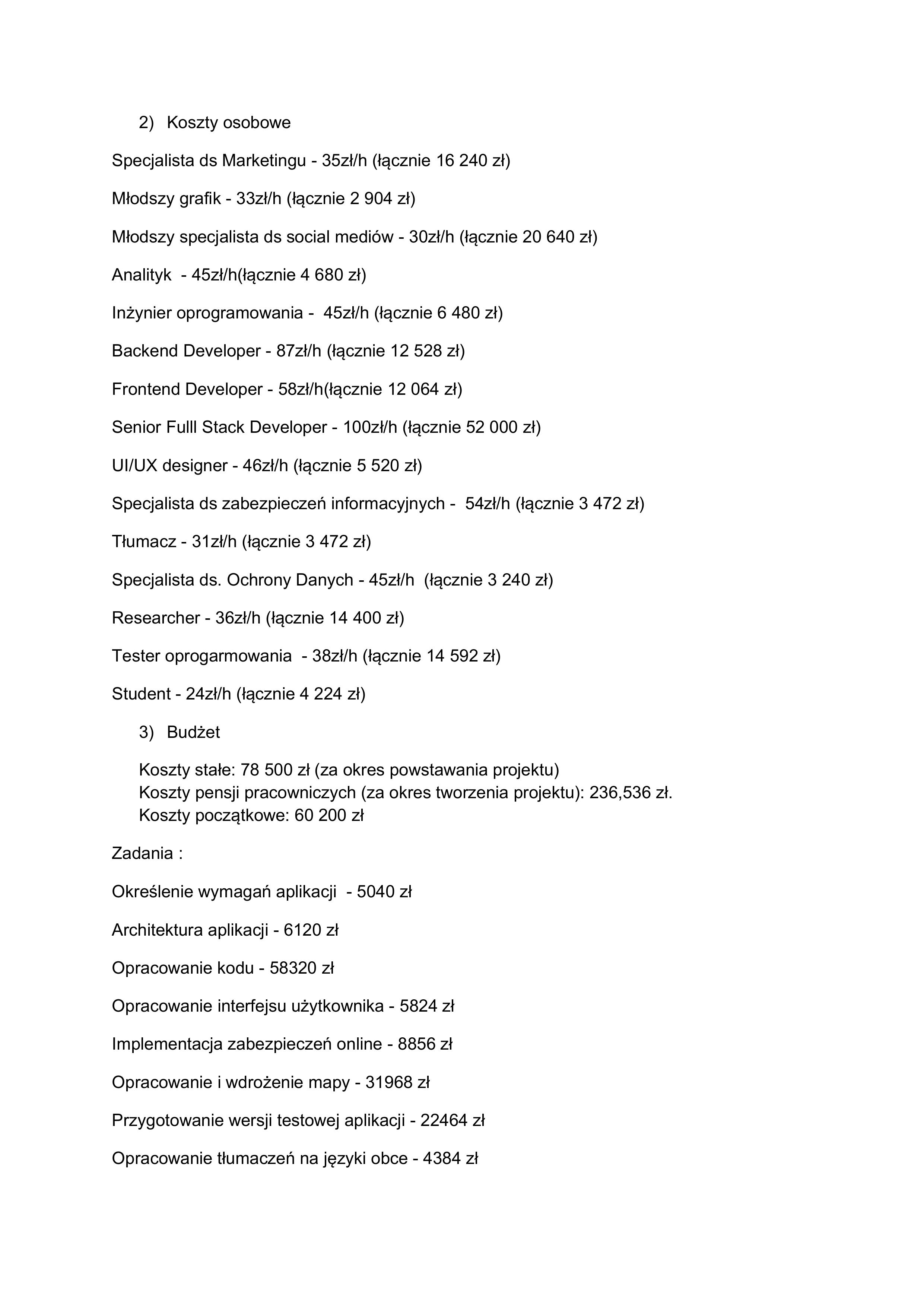
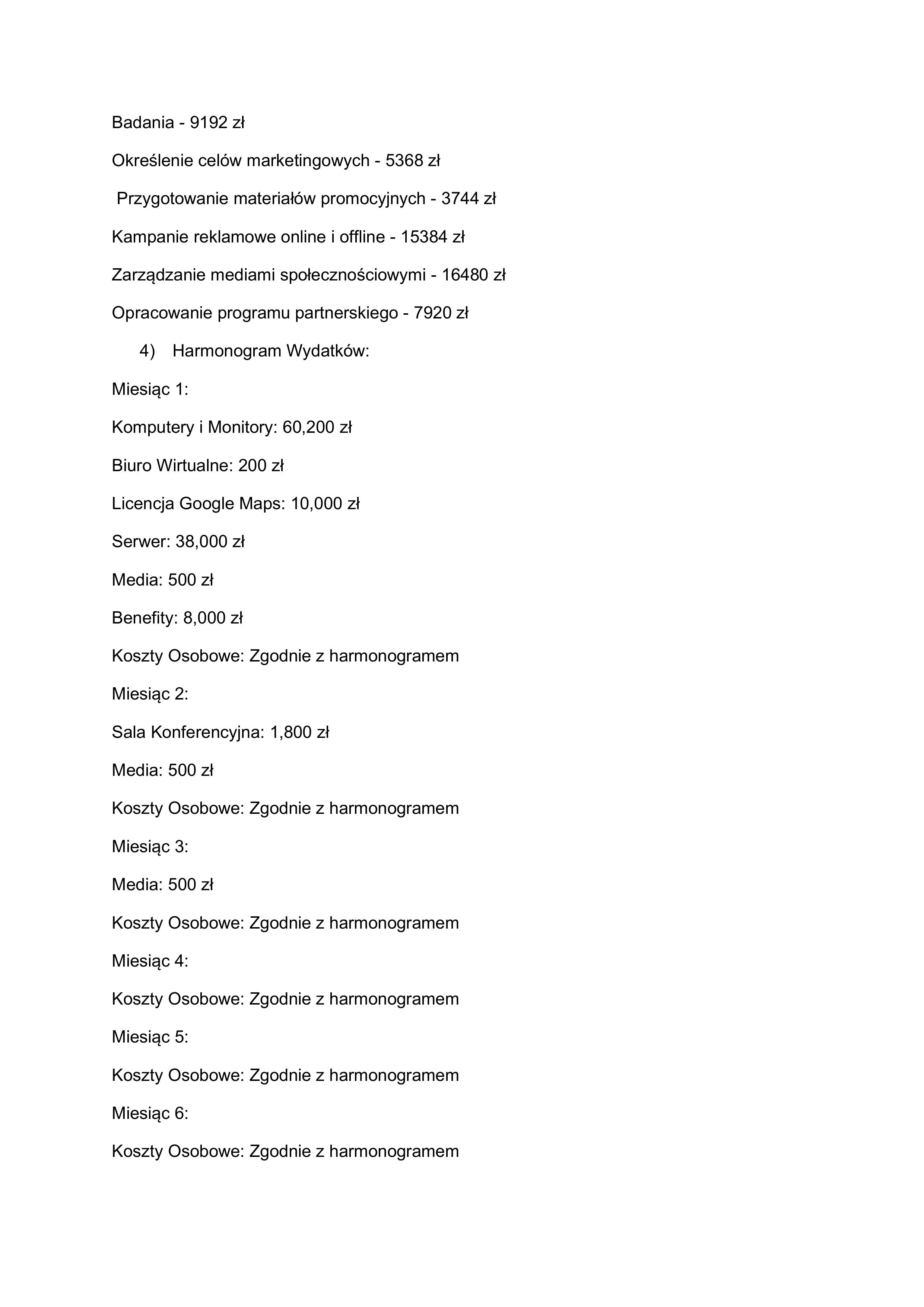
  • A project schedule and budget.
  • Apply project management principles such as:

  • User requirements analysis,
  • Resource and time management,
  • Preparing the project for delivery in real conditions.
  • Project documentation:
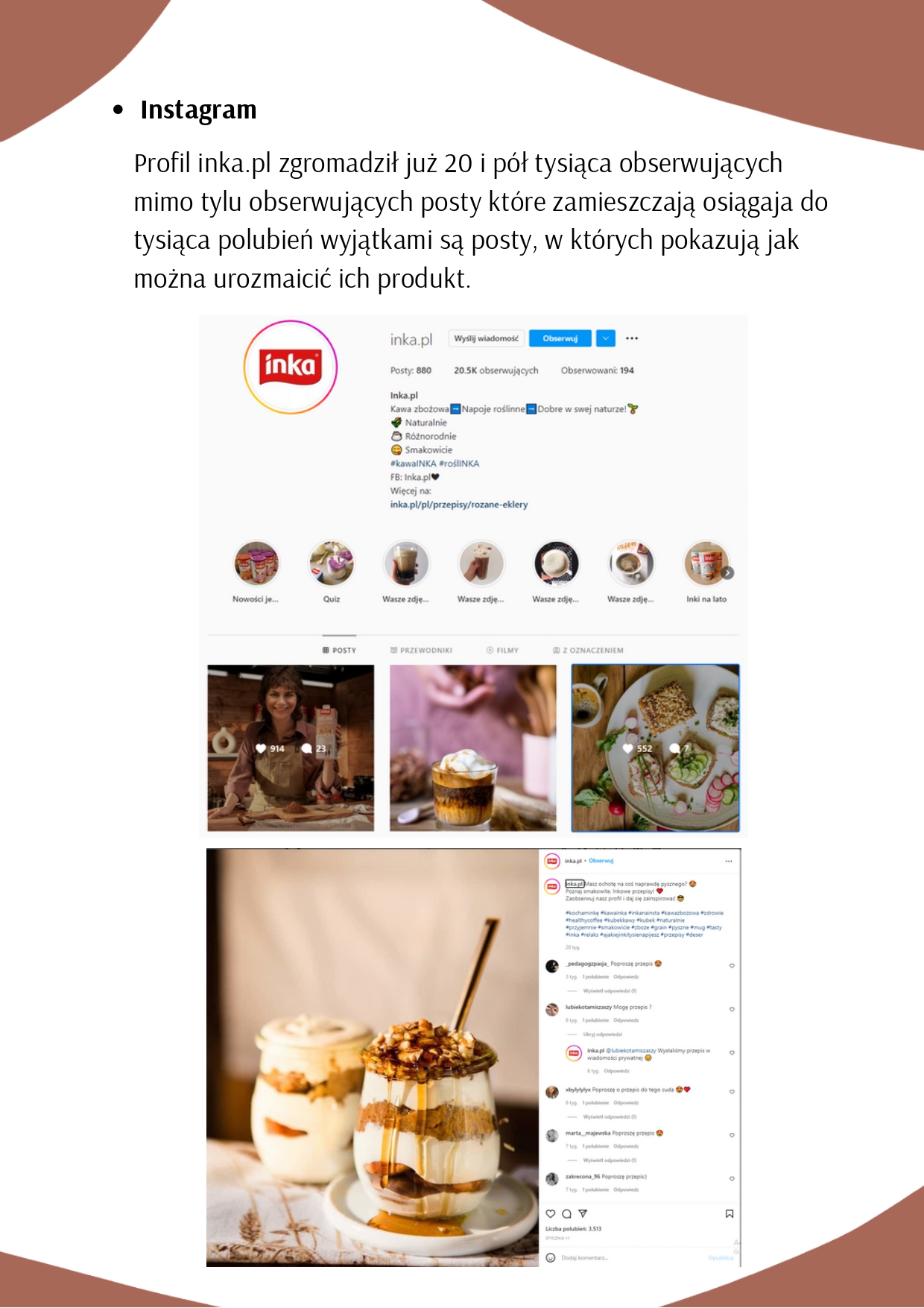
    Documentation of the JobFlow application project, page 1
    Documentation of the JobFlow application project, page 2
    Documentation of the JobFlow application project, page 3
    Documentation of the JobFlow application project, page 4
    Documentation of the JobFlow application project, page 5
    Documentation of the JobFlow application project, page 6
    Documentation of the JobFlow application project, page 7
    Documentation of the JobFlow application project, page 8
    Documentation of the JobFlow application project, page 9
    Documentation of the JobFlow application project, page 10
    Documentation of the JobFlow application project, page 11
    Documentation of the JobFlow application project, page 12
    Documentation of the JobFlow application project, page 13
    Documentation of the JobFlow application project, page 14
    Documentation of the JobFlow application project, page 15
    Documentation of the JobFlow application project, page 16
    Documentation of the JobFlow application project, page 17
    Documentation of the JobFlow application project, page 18
    Documentation of the JobFlow application project, page 19
    Documentation of the JobFlow application project, page 20
    Documentation of the JobFlow application project, page 21
    Documentation of the JobFlow application project, page 22
    Documentation of the JobFlow application project, page 23
    Documentation of the JobFlow application project, page 24